
Icelandic Sheepdog
Also known as: Islenskur Fjárhundur, Iceland Dog
Energy Level
Apartment Friendly
Weight (Male)
25-30 lbs
Height (Male)
18 inches
Quick Facts
Coat Colors
Breed Summary
The Icelandic Sheepdog is Iceland's only native dog breed. Cheerful, friendly, and hardy, they were brought to Iceland by Vikings over 1,000 years ago.
History
Brought to Iceland by Vikings in 874 AD. Iceland's only native breed. Used for herding sheep and horses across rugged Icelandic terrain. Nearly went extinct—revived by dedicated breeders. AKC recognized in 2010.
Appearance
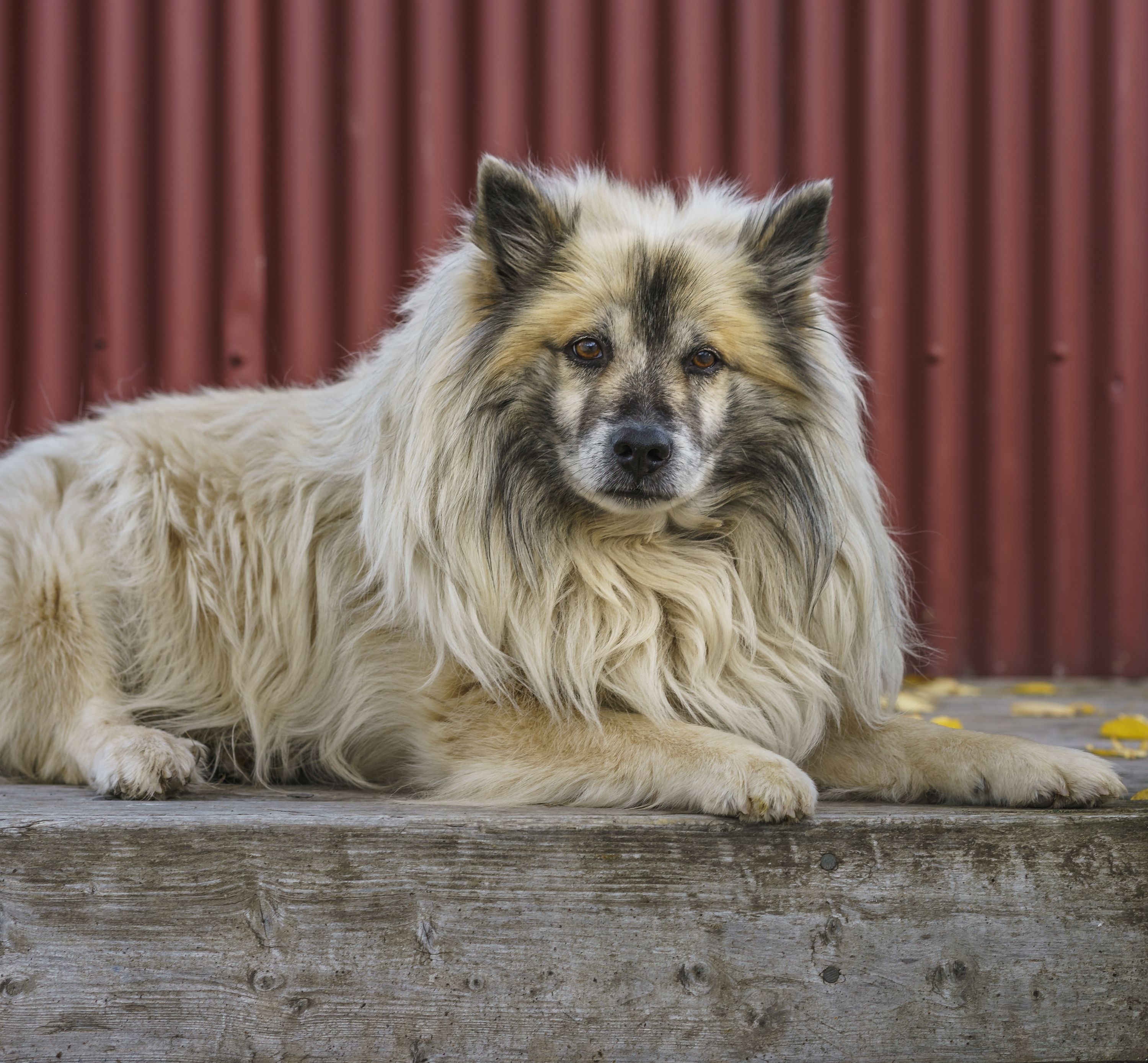
A medium-sized, Nordic Spitz type with a thick double coat. Plumed tail curled over back. Alert, happy expression. Sturdy build. Comes in two coat lengths.
Temperament
Cheerful, friendly, and inquisitive. Icelandic Sheepdogs are happy, social dogs that love being with their people. Playful, alert, and surprisingly gentle.
Personality Around Others
Friendly with everyone. Excellent with children. Social with other dogs. Not aggressive. Love company.
Exercise Needs
Moderate exercise needs. Daily walks and play. Enjoy outdoor activities. Hardy and active.
Training
Eager to please and trainable. Respond well to positive methods. Quick learners.
Grooming
Regular brushing 2-3 times weekly. Heavy seasonal shedding. Two coat lengths—both need care.
Health
Common Health Conditions
Generally healthy breed. Few breed-specific health issues. Regular vet checks recommended.
Recommended Health Tests
- Hip Evaluation
- Ophthalmologist Evaluation
- Patellar Evaluation
Average Annual Vet Cost
$400-$800
Nutrition
Quality food for active medium breeds. Two meals daily. Monitor weight.
Living Environment
Adaptable to various homes. Love cooler climates. Need daily outdoor activity.
Ideal Family
Families wanting a cheerful, friendly dog. Those in cooler climates. Active households.
Intelligence
Intelligent and willing. Natural problem-solvers. Eager learners with good retention.
Barking
Frequency
Alert
Separation
Quiet Indoors
Vocal breed. Bark at birds, visitors, and changes. Training helps manage.
Shedding
Year-Round
Seasonal
Vacuum Factor 🧹
Hypoallergenic
Heavy shedding, especially seasonal. Regular brushing essential.
Weather Tolerance
☀️
Heat
❄️
Cold
🌧️
Rain
🌨️
Snow
💧
Humidity
Breed Ratings
Fun Facts
Iceland's only native dog breed
Brought to Iceland by Vikings over 1,000 years ago
They look up while herding—watching for eagles that might attack lambs
Nearly went extinct multiple times but were saved by dedicated breeders
Used to herd sheep, horses, and even find lost lambs in snow
Famous Dogs
Viking Settlement Dogs
Accompanied the original Norse settlers to Iceland in 874 AD, making them one of the oldest breeds
Common Myths
"They are too barky to live with"
They are vocal but training can manage barking. Their alertness was bred for watching over flocks
"They can only live in cold climates"
They prefer cool weather but adapt to temperate climates. Avoid extreme heat
Frequently Asked Questions
Why do they look up while herding?
They were bred to watch the sky for eagles that might attack lambs. This upward-looking behavior is unique to the breed.
Are they good apartment dogs?
They can adapt to apartments with adequate exercise, but they can be vocal, which may be an issue.
Puppy Guide
Icelandic Sheepdog puppies are happy and social. Early socialization important. Train recall early.
Senior Care
Senior Icelandics remain cheerful. Moderate exercise. Generally healthy in old age.
Ownership Costs
Estimated Lifetime Cost
$13,000-$20,000
Pros and Cons
Pros
Cheerful personality
Great with families
Hardy and healthy
Friendly with everyone
Historic breed
Cons
Can be very vocal
Heavy shedding
Rare breed
Not for hot climates
Alert bark at everything