
Greater Swiss Mountain Dog
Also known as: Swissy, GSMD, Grosser Schweizer Sennenhund
Energy Level
Apartment Friendly
Weight (Male)
115-140 lbs
Height (Male)
25.5-28.5 inches
Quick Facts
Coat Colors
Breed Summary
The Greater Swiss Mountain Dog is a large, sturdy Swiss breed originally used for drafting and herding. With their striking tricolor coat and faithful temperament, they are devoted family companions with a strong work ethic.
History
The oldest and largest of the four Swiss Sennenhund breeds, believed to be descended from Roman Mastiffs. Nearly extinct by the 1900s, the breed was rediscovered and revived. AKC recognized in 1995.
Appearance
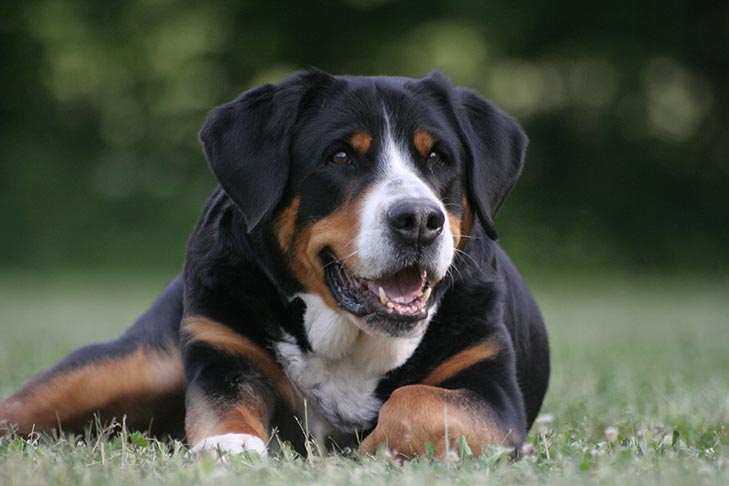
A large, heavy-boned, muscular dog with the classic Swiss tricolor pattern. Alert expression with dark eyes. Their build conveys strength and endurance.
Temperament
Faithful, dependable, and alert, the Greater Swiss is a confident, social dog. They are devoted to family and generally friendly. They mature slowly and retain puppy-like enthusiasm well into adulthood.
Personality Around Others
Friendly with family and generally welcoming to strangers. Good with children and other dogs. Can be territorial. Alert and watchful without being aggressive.
Exercise Needs
Moderate exercise—daily walks and play. They enjoy pulling and carting activities. Not a high-endurance breed. Avoid over-exercising in heat.
Training
Moderately trainable and eager to please. Respond well to positive reinforcement. They mature slowly mentally. Consistent, patient training works best.
Grooming
Easy coat care—weekly brushing. Heavier shedding seasonally. Occasional baths. Regular nail, ear, and dental care.
Health
Common Health Conditions
Bloat and splenic torsion are significant concerns. Joint issues are common. Regular health screening is important.
Recommended Health Tests
- Hip Evaluation
- Elbow Evaluation
- Ophthalmologist Evaluation
Average Annual Vet Cost
$1,200-$2,000
Nutrition
Quality large-breed food. Feed 2-3 smaller meals to prevent bloat. Slow, steady puppy growth. Monitor weight.
Living Environment
Need a house with a yard. Not apartment dogs. Best in cooler climates. They enjoy being outdoors but are family-oriented house dogs.
Ideal Family
Active families with older children. Those who can handle a large, enthusiastic dog. Not for first-time large breed owners.
Intelligence
Intelligent and willing to learn. They are problem-solvers with a good work ethic. Slow to mature mentally.
Barking
Frequency
Alert
Separation
Quiet Indoors
Alert barkers with a deep, booming voice. They will announce visitors. Not excessive barkers but vocal when alerting.
Shedding
Year-Round
Seasonal
Vacuum Factor 🧹
Hypoallergenic
Moderate to heavy shedding with seasonal increases. Regular brushing helps.
Weather Tolerance
☀️
Heat
❄️
Cold
🌧️
Rain
🌨️
Snow
💧
Humidity
Breed Ratings
Fun Facts
Greater Swiss Mountain Dogs were originally used to pull heavy carts
They are the largest of the four Swiss Sennenhund breeds
The breed was nearly extinct in the 1900s before being rediscovered
They are sometimes called "the poor man's horse" for their drafting abilities
Famous Dogs
Swissy Draft Dogs
Historically used to pull heavy milk carts to market across Swiss villages
Common Myths
"They are just big Bernese Mountain Dogs"
While related, they are a distinct breed with a short coat and different working heritage
"They are lazy"
They enjoy activity and have a strong work ethic, especially for pulling and carting
Frequently Asked Questions
How are they different from Bernese Mountain Dogs?
Swissies are larger, have short coats, and were bred for drafting. Berners have long coats and were bred for herding.
Are they good with kids?
Excellent with children—gentle, patient, and protective.
Puppy Guide
Large, slow-maturing puppies. Careful nutrition for joint development. Start training early while manageable. They remain puppyish for 3+ years.
Senior Care
Senior Swissies may develop joint issues. Gentle daily walks. Supportive bedding. Monitor for bloat throughout life.
Ownership Costs
Estimated Lifetime Cost
$17,000-$26,000
Pros and Cons
Pros
Loyal and devoted
Great with children
Striking tricolor coat
Strong work ethic
Cons
Prone to bloat
Short lifespan
Not suited for hot climates
Slow to mature