
German Wirehaired Pointer
Also known as: Deutsch Drahthaar, GWP
Energy Level
Apartment Friendly
Weight (Male)
60–70 lbs
Height (Male)
24–26 inches
Quick Facts
Coat Colors
Breed Summary
The German Wirehaired Pointer is a rugged, versatile hunting dog with a distinctive wiry coat that provides protection in rough terrain and cold water. They are tireless workers with strong hunting instincts and deep loyalty to their families.
History
Developed in Germany in the late 1800s by crossing the German Shorthaired Pointer, Griffon, Stichelhaar, Pudelpointer, and Polish Water Dog. The goal was creating the ultimate all-purpose gun dog with a protective wire coat.
Appearance
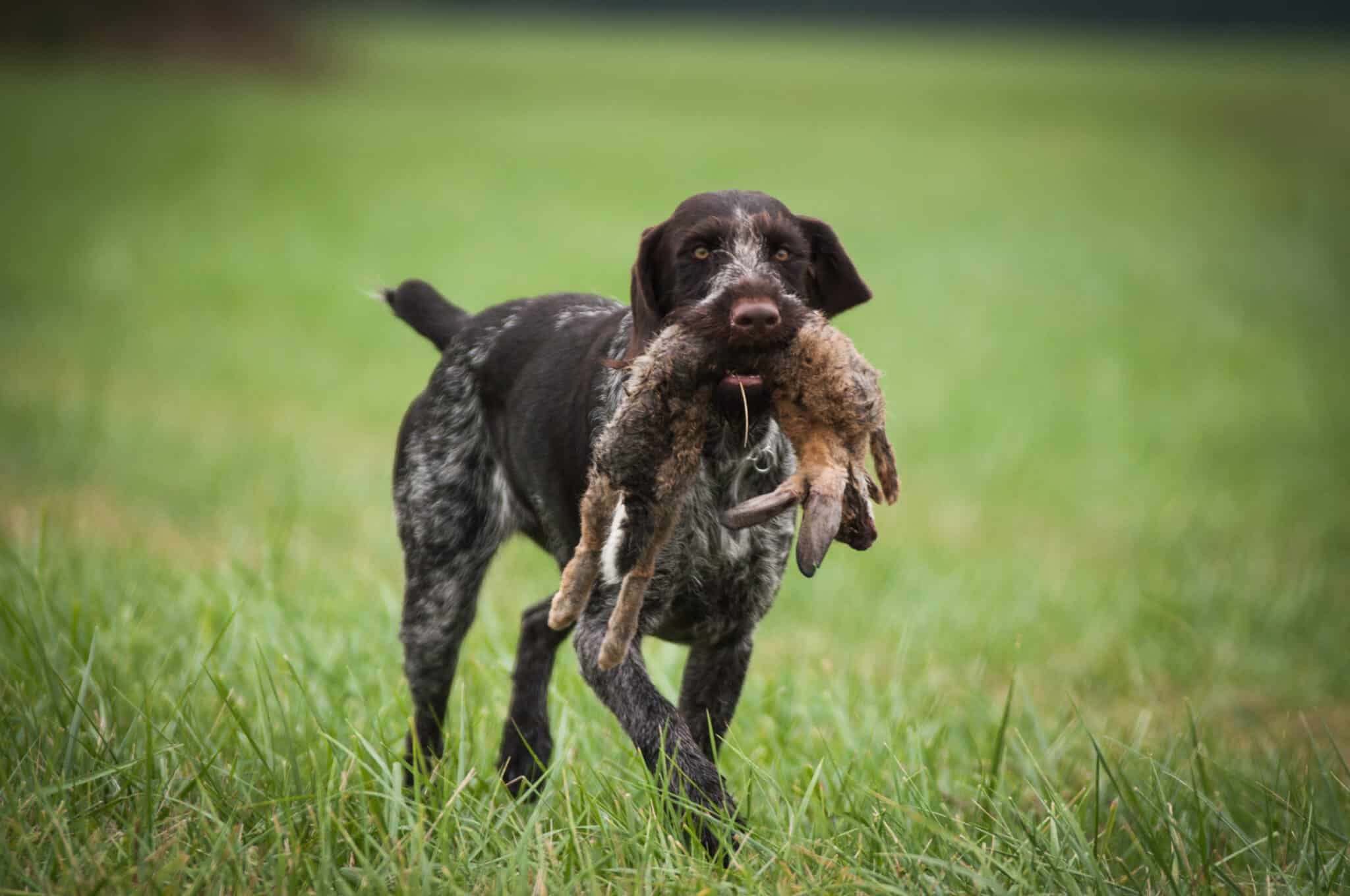
Sturdy and athletic with a distinctive harsh, wiry coat and bushy eyebrows, beard, and whiskers. Their weather-resistant coat provides protection from thorns and cold water. Alert, intelligent expression.
Temperament
Loyal, affectionate with family but aloof with strangers. German Wirehaired Pointers are serious, driven workers with intense hunting instincts.
Personality Around Others
Reserved with strangers but devoted to family. Can be dominant with other dogs. Good with children they are raised with. Need early socialization.
Exercise Needs
Very high exercise needs — at least 1.5–2 hours daily. Need vigorous activity like running, swimming, and field work. A bored GWP will become destructive.
Training
Intelligent but can be stubborn. Need firm, consistent, experienced handling. They respond to confident leadership and positive reinforcement.
Grooming
Weekly brushing of wiry coat. Hand-stripping twice yearly for proper texture. Their beard may need cleaning after meals. Low-maintenance otherwise.
Health
Common Health Conditions
Generally very healthy and long-lived for their size. Hip and eye screenings are recommended. Their active lifestyle helps maintain fitness.
Recommended Health Tests
- Hip Evaluation
- Ophthalmologist Evaluation
- Cardiac Exam
- Von Willebrand's DNA Test
Average Annual Vet Cost
$300–$800
Nutrition
High-quality food for active large breeds. About 2–3 cups daily divided into two meals. Adjust during hunting season for increased activity.
Living Environment
Need a house with a large yard. Not apartment dogs. They require outdoor space and an active owner. Secure fencing is essential.
Ideal Family
Best for experienced, active owners who hunt or participate in dog sports. Suited for families with older children.
Intelligence
Highly intelligent problem-solvers bred for independent field work. They think through situations and can be resourceful.
Barking
Frequency
Alert
Separation
Quiet Indoors
Moderate to vocal. They alert to strangers and unusual activity. Can be vocal during hunting excitement.
Shedding
Year-Round
Seasonal
Vacuum Factor 🧹
Hypoallergenic
Low to moderate shedding. Their wiry coat holds loose hair. Hand-stripping helps manage seasonal coat changes.
Weather Tolerance
☀️
Heat
❄️
Cold
🌧️
Rain
🌨️
Snow
💧
Humidity
Breed Ratings
Fun Facts
German Wirehaired Pointers are the most popular hunting breed in Germany.
Their distinctive facial furnishings protect against thorns and cold.
They can point, track, and retrieve on land and water.
The wiry coat is virtually waterproof.
They have webbed feet for efficient swimming.
Famous Dogs
Doktor
One of the foundation sires that established the breed standard
Elsa
Award-winning GWP featured in Field & Stream magazine
Common Myths
"They are just rough-coated German Shorthaired Pointers."
While related, the GWP was developed from multiple breeds and has a distinct temperament — more aloof and protective than the GSP.
"Their coat doesn't need grooming."
While low-maintenance, their coat benefits from regular brushing and twice-yearly hand-stripping to maintain proper texture.
Frequently Asked Questions
How are GWPs different from German Shorthaired Pointers?
GWPs have a wiry, weather-resistant coat, facial furnishings, are more reserved with strangers, and tend to be more protective. GSPs are smoother-coated and friendlier.
Do they make good family pets?
For active, experienced families, yes. They need significant exercise and firm handling but are loyal and devoted to their people.
Puppy Guide
GWP puppies need early socialization due to their reserved nature. Start training immediately. Channel hunting drive into structured activities.
Senior Care
Senior GWPs remain active but may develop joint stiffness. Continue moderate exercise. Monitor thyroid function. They age well overall.
Ownership Costs
Estimated Lifetime Cost
$15,000–$23,000
Pros and Cons
Pros
Versatile all-purpose hunter
Loyal and protective
Weather-resistant coat
Very healthy and long-lived
Excellent stamina and endurance
Cons
Not suitable for novice owners
Very high exercise requirements
Can be aloof with strangers
Dominant with other dogs
Needs a job to stay happy