
Clumber Spaniel
Also known as: Clumber, Retired Gentleman's Spaniel
Energy Level
Apartment Friendly
Weight (Male)
70–85 lbs
Height (Male)
18–20 inches
Quick Facts
Coat Colors
Breed Summary
The Clumber Spaniel is the largest of the flushing spaniels, known for its dignified, gentle demeanor and distinctive heavy build. Bred as a hunting companion for aristocrats, they combine a mellow personality with surprising stamina in the field.
History
Believed to have originated in 18th-century France, the breed was developed at Clumber Park, the estate of the Duke of Newcastle in England. They were favorites of British royalty including Prince Albert and King Edward VII.
Appearance
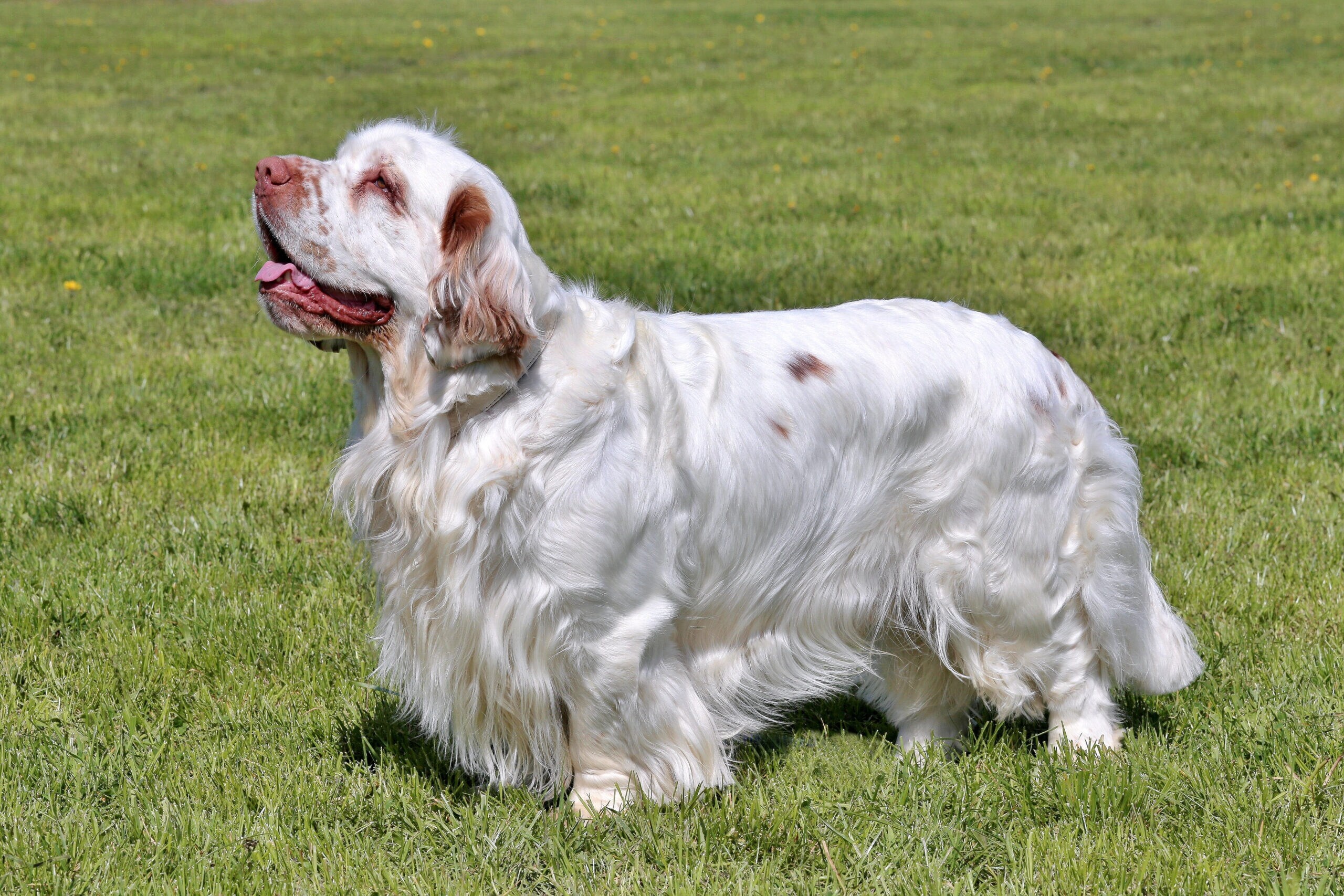
Heavy-boned and low to the ground with a massive head and deep chest. Their white coat features lemon or orange markings. Large, soft eyes and pendulous ears give them a thoughtful, somewhat sleepy expression.
Temperament
Gentle, loyal, and dignified with a calm demeanor that belies their hunting ability. Clumbers are affectionate but not demanding, making them pleasant housemates.
Personality Around Others
Friendly but reserved. Good with children and other pets. They warm up to strangers at their own pace. Their gentle nature makes them trustworthy around kids.
Exercise Needs
Moderate exercise needs. Daily walks of 30–60 minutes with some play sessions. They have more stamina than their laid-back appearance suggests. Avoid overexertion in heat.
Training
Intelligent but somewhat independent. They learn at their own pace and respond to patient, positive methods. Food motivation is high and useful in training.
Grooming
Regular grooming needed. Brush 2–3 times weekly. They shed heavily. Regular ear cleaning is essential. Facial wrinkles may need occasional cleaning.
Health
Common Health Conditions
Their heavy build makes them prone to joint and back issues. Eye problems are common. Regular health screenings are important for this breed.
Recommended Health Tests
- Hip Evaluation
- Elbow Evaluation
- PDP1 DNA Test
- Ophthalmologist Evaluation
Average Annual Vet Cost
$400–$1,000
Nutrition
Feed a large-breed formula with controlled portions. About 2–2.5 cups daily divided into two meals. They are prone to weight gain so monitor carefully.
Living Environment
Adaptable to various living situations including apartments if given daily walks. They are calm indoors and don't need a large yard. Air conditioning is helpful in hot climates.
Ideal Family
Great for families wanting a calm, gentle companion. Excellent for less active owners who still enjoy daily walks. Good with children and other pets.
Intelligence
Quietly intelligent with good problem-solving abilities. They may appear lazy but are actually observant and thoughtful. Their intelligence shows in the field where they work methodically.
Barking
Frequency
Alert
Separation
Quiet Indoors
Generally quiet dogs. They are not big barkers and tend to be calm and collected indoors. May alert to visitors but not excessively.
Shedding
Year-Round
Seasonal
Vacuum Factor 🧹
Hypoallergenic
Very heavy shedders. Their white coat shows up on everything. Regular brushing is essential but won't eliminate the constant hair.
Weather Tolerance
☀️
Heat
❄️
Cold
🌧️
Rain
🌨️
Snow
💧
Humidity
Breed Ratings
Fun Facts
Clumber Spaniels were one of the first nine breeds recognized by the AKC in 1884.
King Edward VII and Prince Albert both bred Clumber Spaniels.
They are the heaviest of all spaniel breeds.
Despite their size, they can be surprisingly stealthy hunters.
They are known for carrying objects in their mouths — including shoes and pillows.
Famous Dogs
Donut
Best in Show winner at the Royal Melbourne Show
Clussexx Three D Grinchy Glee
Westminster Kennel Club Best in Show winner in 2009
Common Myths
"Clumber Spaniels are lazy and don't hunt."
While calm at home, Clumbers are capable hunters with excellent noses. They work slowly but thoroughly, which was preferred by their aristocratic owners who hunted at a leisurely pace.
"They drool excessively."
While they can drool, it's typically less than breeds like Saint Bernards. Some drooling after eating and drinking is normal.
Frequently Asked Questions
How much do Clumber Spaniels shed?
A lot. Clumbers are among the heaviest shedding breeds. Be prepared for white hair on everything. Daily brushing during heavy shedding periods helps.
Are they good apartment dogs?
Surprisingly yes. Their calm indoor nature and moderate exercise needs make them adaptable to apartment living, though their size and shedding should be considered.
Adoption Tips
Puppy Guide
Clumber puppies grow quickly. Feed large-breed puppy food for controlled growth. Start training early with positive methods. Limit stair climbing to protect growing joints.
Senior Care
Senior Clumbers are prone to obesity and joint problems. Maintain healthy weight through careful diet. Provide orthopedic bedding. Continue gentle daily exercise.
Ownership Costs
Estimated Lifetime Cost
$16,000–$26,000
Pros and Cons
Pros
Gentle, calm temperament
Good with children and other pets
Adaptable to various living situations
Not excessive barkers
Loyal and devoted
Cons
Extremely heavy shedding
Prone to weight gain
Health concerns related to heavy build
Can be stubborn in training
Rare breed with limited availability