
Basset Hound
Also known as: Hush Puppy Dog, Basset
Energy Level
Apartment Friendly
Weight (Male)
40–65 lbs
Height (Male)
Up to 15 inches
Quick Facts
Coat Colors
Breed Summary
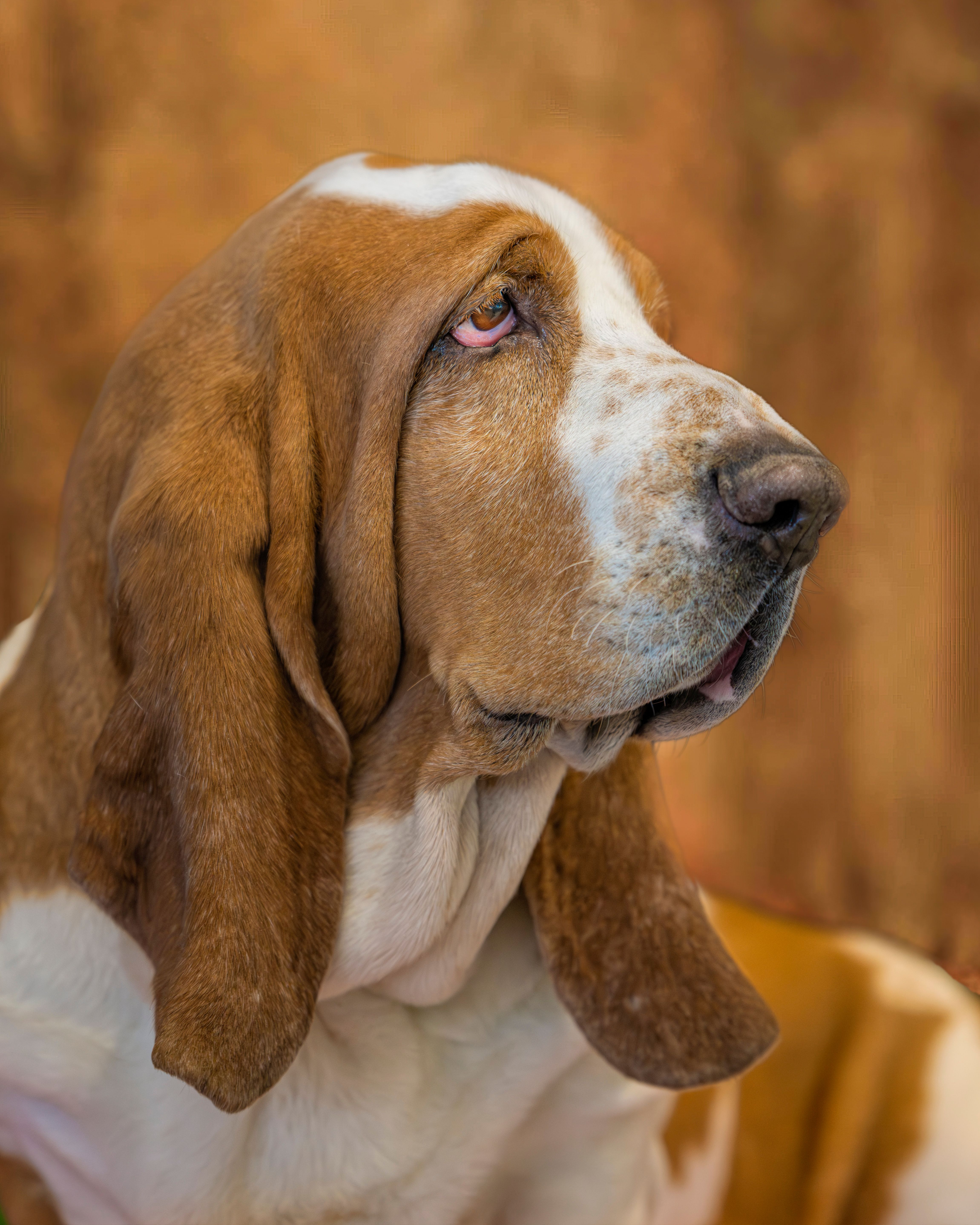
The Basset Hound is a short-legged, long-eared scent hound originally bred for hunting rabbits. Known for their droopy eyes and mournful expression, they are gentle, patient dogs with one of the best noses in the canine world.
History
Developed in France from the St. Hubert Hound, the Basset Hound was bred to trail small game at a pace hunters could follow on foot. Their name comes from the French word 'bas' meaning low. They gained popularity in England and America in the 19th century.
Appearance
Low-slung body with short, heavy-boned legs, loose skin, and extremely long, velvety ears. Their large head features droopy eyes and a wrinkled brow that gives them a perpetually sad expression. Despite their mournful look, they are cheerful, friendly dogs.
Temperament
Basset Hounds are easygoing, patient, and charming. They are pack-oriented dogs that get along with everyone. While stubborn when it comes to training, they are gentle and devoted companions.
Personality Around Others
Extremely friendly with people of all ages, other dogs, and pets. Their pack mentality makes them social and non-aggressive. They are patient with children and welcoming to strangers.
Exercise Needs
Moderate exercise needs. Daily walks of 30–60 minutes are important to prevent obesity. Their nose can lead them astray, so always walk on leash. Avoid excessive stair climbing to protect their backs.
Training
Notoriously stubborn but food-motivated. Patience and positive reinforcement are essential. They respond poorly to harsh methods. Scent training games work well. Expect slow but steady progress.
Grooming
Weekly brushing keeps their short coat healthy. Clean their long ears regularly to prevent infections. Facial wrinkles need occasional cleaning. Their droopy eyes may need wiping.
Health
Common Health Conditions
Their long body and short legs put them at risk for back problems. Long ears trap moisture leading to infections. They are prone to obesity which worsens joint and back issues.
Recommended Health Tests
- Hip Evaluation
- Ophthalmologist Evaluation
- Thrombopathia DNA Test
Average Annual Vet Cost
$400–$1,000
Nutrition
Feed a high-quality food with strict portion control. Bassets are very prone to obesity. About 1.5–2.5 cups daily divided into two meals. Avoid free-feeding. Use puzzle feeders for mental stimulation.
Living Environment
Adaptable to apartments if given daily walks. A fenced yard is nice but not required. They should not be left outside alone as they may follow a scent and wander. Can be vocal.
Ideal Family
Great for families with children, other dogs, and relaxed households. Perfect for owners who enjoy leisurely walks. Not ideal for those wanting an off-leash hiking companion.
Intelligence
Intelligent but independent-minded. Their intelligence is directed toward scent work rather than obedience. They can be clever about getting what they want, especially food.
Barking
Frequency
Alert
Separation
Quiet Indoors
Bassets have a distinctive deep, melodious bay and howl. They can be vocal, especially when left alone or when they catch an interesting scent.
Shedding
Year-Round
Seasonal
Vacuum Factor 🧹
Hypoallergenic
Moderate to heavy shedders despite their short coat. Regular brushing helps manage shedding. Their coat is dense and weather-resistant.
Weather Tolerance
☀️
Heat
❄️
Cold
🌧️
Rain
🌨️
Snow
💧
Humidity
Breed Ratings
Fun Facts
Basset Hounds have over 220 million smell receptors, second only to the Bloodhound.
Their long ears help sweep scent particles toward their nose.
The loose skin on their face helps trap scent particles.
A Basset Hound named Flash was the mascot for Hush Puppies shoes.
They can follow a trail that is over a week old.
Famous Dogs
Fred
Basset Hound who became famous on social media for his photogenic droopy face
Flash
The iconic Hush Puppies shoe brand mascot
Droopy
Inspiration for the classic cartoon character
Common Myths
"Basset Hounds are lazy dogs."
While they enjoy lounging, Bassets were bred as hunting dogs and need regular exercise. Without it, they become obese and unhealthy.
"They're not intelligent."
Bassets are highly intelligent, especially at scent work. Their stubbornness is often mistaken for low intelligence. They simply choose when to listen.
Frequently Asked Questions
Why do Basset Hounds howl?
Bassets were bred to bay while trailing game so hunters could follow them. This instinct remains, and they may howl when lonely, excited, or when they catch an interesting scent.
Are Basset Hounds good apartment dogs?
They can adapt to apartment life with daily walks, but their potential for howling and baying should be considered in close-quarters living.
Adoption Tips
Puppy Guide
Basset puppies grow quickly in length before height. Limit stair use and jumping to protect developing backs. Start leash training early. Socialize with scent-based games.
Senior Care
Senior Bassets are prone to obesity, arthritis, and back problems. Maintain healthy weight. Provide orthopedic bedding. Consider ramps instead of stairs. Keep up ear cleaning routines.
Ownership Costs
Estimated Lifetime Cost
$15,000–$22,000
Pros and Cons
Pros
Gentle and patient with children
Gets along with everyone
Low exercise requirements
Charming, mellow personality
Excellent nose for scent games
Cons
Very stubborn about training
Prone to obesity
Can be vocal (howling, baying)
Ear infections require maintenance
Strong tracking instinct can cause wandering