
Chinook
Also known as: Chinook Sled Dog
Energy Level
Apartment Friendly
Weight (Male)
70 lbs
Height (Male)
24-26 inches
Quick Facts
Coat Colors
Breed Summary
The Chinook is a rare, versatile American sled dog bred in New Hampshire for drafting and sled dog racing. Gentle, intelligent, and devoted, they are the state dog of New Hampshire and one of the rarest AKC breeds.
History
Developed by explorer Arthur Treadwell Walden in New Hampshire in the early 1900s by crossing a Mastiff-type dog with Greenland Huskies. Named after Walden's favorite lead dog. Nearly went extinct multiple times. AKC recognized in 2013.
Appearance
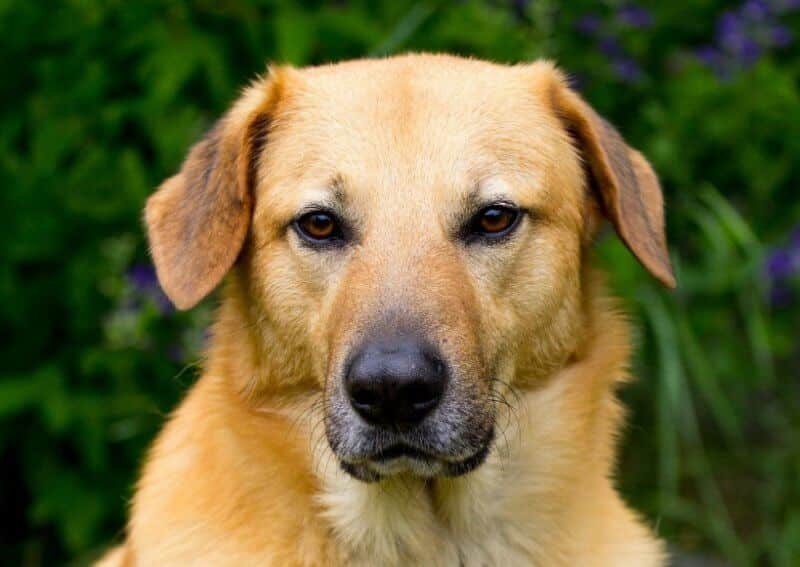
A medium-large, well-muscled dog with a tawny coat, drop ears, and a athletic build. Their expression is intelligent and kind. They have the build of a working sled dog without the extreme features.
Temperament
Gentle, people-oriented, and eager to please, the Chinook is one of the friendliest working breeds. They are sensitive and form deep bonds with their families. Excellent with children and other dogs.
Personality Around Others
Very friendly with everyone. Excellent with children and other dogs. Not much of a guard dog due to their gentle nature. Can be sensitive and do not do well with harsh treatment.
Exercise Needs
High exercise needs—built for endurance work. Daily vigorous exercise including running, hiking, or pulling activities. They excel at various dog sports and love having a job to do.
Training
One of the most trainable working breeds. Eager to please and responsive to positive reinforcement. They excel at obedience, agility, and drafting. Sensitive to corrections.
Grooming
Moderate grooming—weekly brushing, more during shedding seasons. Their double coat sheds moderately. Regular nail, ear, and dental care.
Health
Common Health Conditions
A generally healthy breed with few major concerns. Cryptorchidism is more common than in other breeds. Regular health screening is recommended.
Recommended Health Tests
- Hip Evaluation
- Ophthalmologist Evaluation
Average Annual Vet Cost
$700-$1,400
Nutrition
Active dogs needing quality food. Two meals daily. Adjust portions based on activity level and climate.
Living Environment
Need a home with space for exercise. Can adapt to various settings if well-exercised. Not suited for very hot climates. Thrive in cool weather.
Ideal Family
Excellent for active families wanting a devoted, gentle working dog. Great with children. Perfect for those interested in dog sports and outdoor activities.
Intelligence
Very intelligent and eager to learn. They pick up new skills quickly and enjoy mental challenges. Their trainability makes them versatile working dogs.
Barking
Frequency
Alert
Separation
Quiet Indoors
Generally quiet dogs. They may bark to alert but are not nuisance barkers.
Shedding
Year-Round
Seasonal
Vacuum Factor 🧹
Hypoallergenic
Moderate shedding with heavier seasonal blows. Regular brushing manages the coat.
Weather Tolerance
☀️
Heat
❄️
Cold
🌧️
Rain
🌨️
Snow
💧
Humidity
Breed Ratings
Fun Facts
The Chinook is the state dog of New Hampshire
They nearly went extinct—at one point only 28 Chinooks existed
Named after explorer Arthur Walden's lead sled dog
They are one of the rarest AKC breeds
Famous Dogs
Chinook
The original dog who founded the breed, companion of explorer Arthur Treadwell Walden
Common Myths
"They are just like Huskies"
Chinooks are gentler, more people-oriented, and have a different working style than Huskies
"They are too rare to own"
While rare, dedicated breeders work to maintain and grow the population
Frequently Asked Questions
How rare are Chinooks?
They are one of the rarest AKC breeds, with only a few hundred puppies born each year worldwide.
Are they good family dogs?
Excellent family dogs—gentle, patient, and wonderful with children.
Puppy Guide
Puppies are sweet and eager to please. Early socialization and training produce well-rounded adults. They are sensitive and respond to gentle methods.
Senior Care
Senior Chinooks remain devoted and gentle. Monitor for joint issues. Continue moderate exercise. Their sensitivity makes them especially attuned to family changes.
Ownership Costs
Estimated Lifetime Cost
$15,000-$22,000
Pros and Cons
Pros
Gentle and devoted
Excellent with children
Highly trainable
Good with other dogs
Cons
Very rare breed
High exercise needs
Not suited for hot climates
Heavy seasonal shedding