
Black and Tan Coonhound
Also known as: American Black and Tan Coonhound
Energy Level
Apartment Friendly
Weight (Male)
65-110 lbs
Height (Male)
25-27 inches
Quick Facts
Coat Colors
Breed Summary
The Black and Tan Coonhound is a large, powerful scenthound bred to trail raccoons by scent alone. With their deep, melodious voice and gentle, easygoing temperament, they are both accomplished hunters and affectionate family dogs.
History
Descended from the Talbot Hound and the Bloodhound, the Black and Tan Coonhound was developed in the American South for trailing raccoons and opossums. They were the first coonhound breed recognized by the AKC in 1945.
Appearance
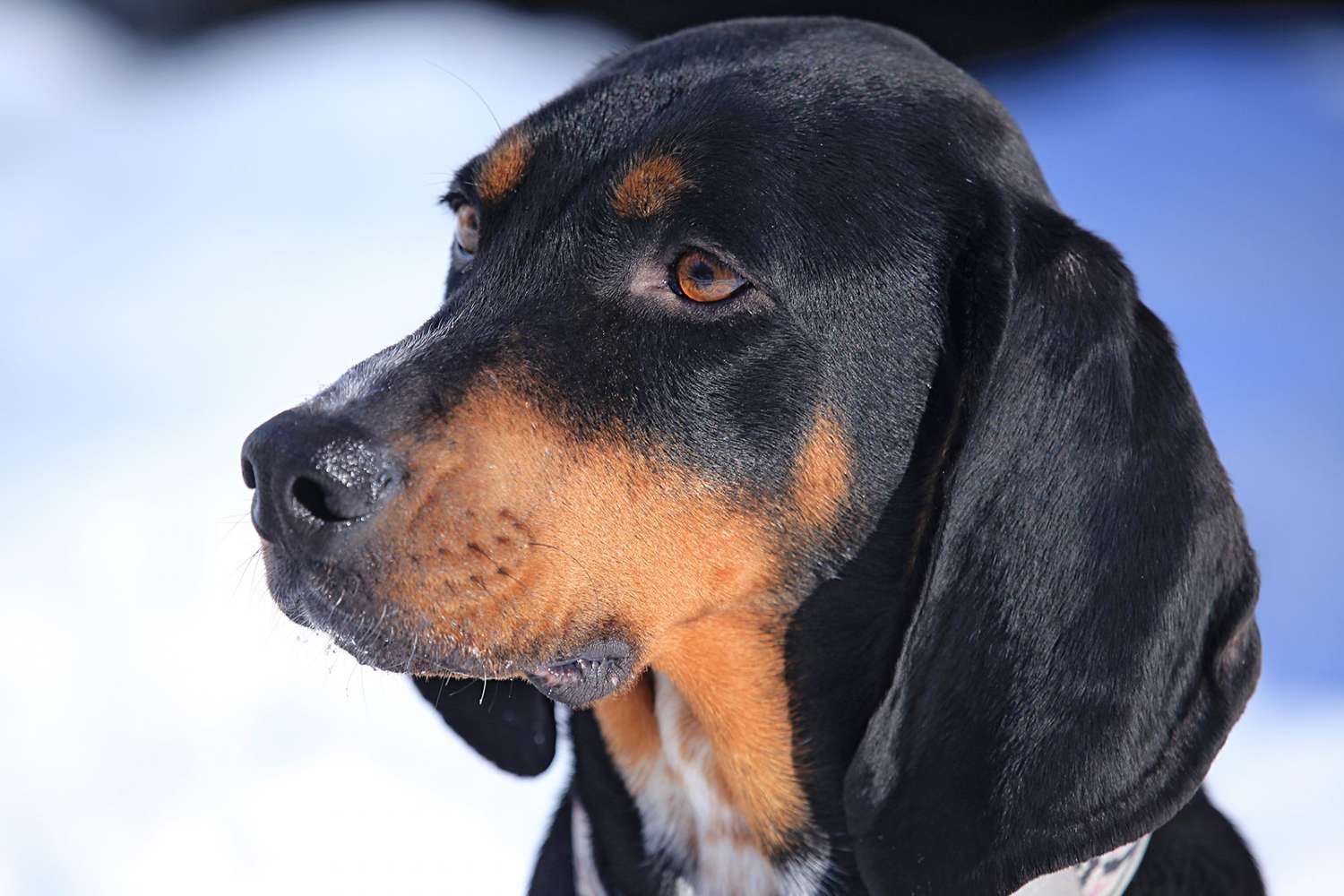
A large, strong dog with distinctive black-and-tan coloring similar to a Doberman. They have long, velvety ears, soulful eyes, and a strong, athletic build designed for endurance on the trail.
Temperament
Gentle, loyal, and easygoing, the Black and Tan Coonhound is a mellow companion at home. They are friendly with everyone and have a calm indoor demeanor when adequately exercised. Their trailing instinct is strong.
Personality Around Others
Very friendly and sociable with people and other dogs. Gentle with children. Can be reserved initially but warm up quickly. Their prey drive is strong toward small animals but they are not aggressive.
Exercise Needs
Need significant daily exercise—at least an hour of vigorous activity. Excellent hiking companions. Scent work and trailing activities are ideal outlets. Without exercise, they can become destructive.
Training
Moderately trainable with patience and consistency. Food-motivated and respond to positive reinforcement. Their nose can be distracting during training. Start training early for best results.
Grooming
Low-maintenance coat needing weekly brushing. Regular ear cleaning is crucial due to their long ears. Occasional baths. They can have a houndy odor that regular grooming helps manage.
Health
Common Health Conditions
Generally healthy but prone to ear infections due to their long ears. Hip dysplasia screening is recommended. Bloat can be a concern in deep-chested dogs.
Recommended Health Tests
- Hip Evaluation
- Ophthalmologist Evaluation
Average Annual Vet Cost
$800-$1,500
Nutrition
Needs high-quality, protein-rich food to support their active lifestyle. Feed two measured meals daily. Monitor weight as they can gain weight when under-exercised. Avoid feeding before or after exercise.
Living Environment
Best in homes with large, fenced yards. Rural settings are ideal. Their baying can be problematic in suburban/urban settings. Not suited for apartment living.
Ideal Family
Great for active families who enjoy outdoor activities. Excellent with children. Best for owners who can provide ample exercise and don't mind occasional vocal sessions. Good for multi-dog households.
Intelligence
Intelligent with excellent scenting abilities. Can be single-minded when on a trail. They learn well with patient, consistent training but their nose can override their brain.
Barking
Frequency
Alert
Separation
Quiet Indoors
Known for their deep, resonant baying, especially when on a scent trail. Can be vocal when bored or seeking attention. Training can help manage excessive vocalization.
Shedding
Year-Round
Seasonal
Vacuum Factor 🧹
Hypoallergenic
Moderate shedding year-round. Weekly brushing helps control loose hair. Seasonal shedding increases in spring and fall.
Weather Tolerance
☀️
Heat
❄️
Cold
🌧️
Rain
🌨️
Snow
💧
Humidity
Breed Ratings
Fun Facts
They were the first coonhound breed recognized by the AKC
Their nose can follow trails that are several days old
They can tree raccoons that are 50 feet or higher
The breed contributed to the development of several other coonhound breeds
Famous Dogs
Old Flop
Famous 19th-century Black and Tan known for legendary tracking abilities
Common Myths
"They are only suitable as hunting dogs"
They make excellent family pets when given proper exercise and companionship
"Their baying can't be managed"
With training and adequate exercise, their vocalization can be significantly reduced
Frequently Asked Questions
How much exercise does a Black and Tan Coonhound need?
At least one hour of vigorous exercise daily, plus mental stimulation through scent games and activities.
Are they good with other dogs?
Yes, they typically get along very well with other dogs due to their pack-hunting heritage.
Adoption Tips
Puppy Guide
Puppies are energetic and need early socialization and training. Begin leash training right away as they will follow their nose. Crate training helps with house training. Provide sturdy chew toys.
Senior Care
Senior Black and Tans may develop joint issues—provide supportive bedding. Moderate daily walks remain important. Regular ear cleaning continues to be essential. Monitor weight carefully.
Ownership Costs
Estimated Lifetime Cost
$14,000-$20,000
Pros and Cons
Pros
Gentle, easygoing temperament
Great with children and other dogs
Excellent scenting ability
Loyal and affectionate
Cons
Loud baying voice
High exercise needs
Strong prey drive
Can have houndy odor