
Dalmatian
También conocido como: Dal, Spotted Coach Dog, Firehouse Dog
Nivel de Energía
Apto Apartamento
Peso (Macho)
45–70 lbs
Altura (Macho)
19–24 inches
Datos Rápidos
Colores de Pelaje
Resumen de la Raza
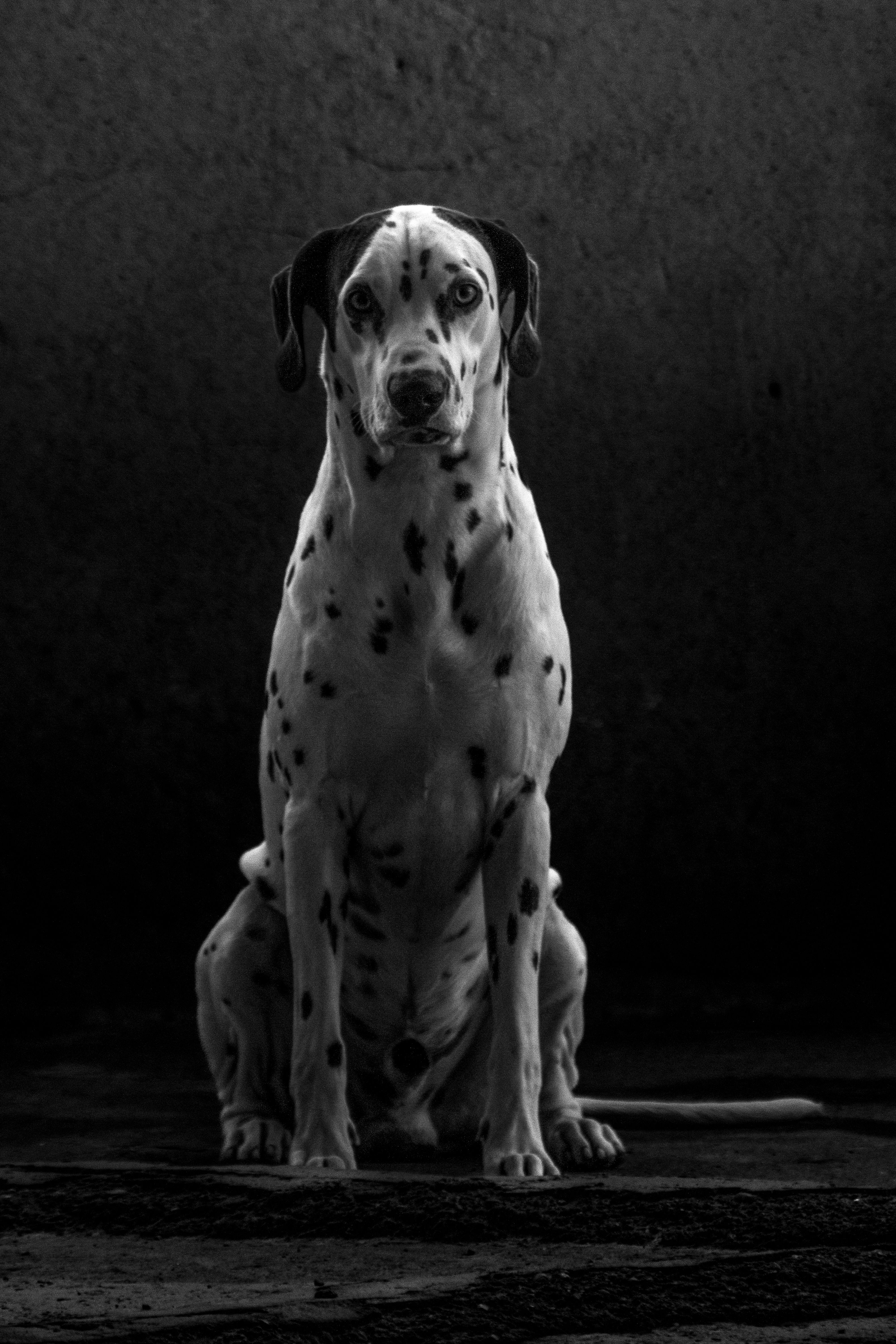
El Dalmatian es una raza elegante y atlética, reconocible al instante por su pelaje moteado único. Criados originalmente para correr junto a los carruajes, son perros de alta energía con una resistencia ilimitada. Su apariencia llamativa y su naturaleza juguetona los han convertido en seres queridos en todo el mundo.
Historia
Nombrado en honor a la región de Dalmatia en Croacia, los orígenes exactos de la raza son objeto de debate. Servían como perros de coche, corriendo junto a carruajes tirados por caballos para proteger a los viajeros. Su afinidad por los caballos los llevó a asociarse con las estaciones de bomberos, donde corrían delante de los camiones de bomberos tirados por caballos.
Apariencia
Cuerpo elegante y musculoso, diseñado para la resistencia. Su distintivo pelaje blanco está cubierto de manchas redondas bien definidas que son de color negro o hígado. Los cachorros nacen completamente blancos, y las manchas se desarrollan durante las primeras semanas. Se mueven con un andar suave y sin esfuerzo.
Temperamento
Los Dalmatian son extrovertidos, juguetones y dignos. Tienen una energía tremenda y les encanta correr. Pueden ser reservados con los extraños, pero son devotos de sus familias. Su sensibilidad requiere un manejo suave y constante.
Personalidad con Otros
Pueden ser reservados con los extraños, pero se muestran amigables con las presentaciones adecuadas. Generalmente son buenos con otros perros si están bien socializados. Su alta energía puede abrumar a los niños pequeños. La socialización temprana es importante para lograr un temperamento equilibrado.
Necesidades de Ejercicio
Necesidades de ejercicio muy altas: un mínimo de 1.5–2 hours de actividad vigorosa al día. Excelentes compañeros para correr y hacer senderismo. Tienen una resistencia increíble, heredada de siglos de correr junto a carruajes. Un Dalmatian cansado es un Dalmatian feliz.
Entrenamiento
Inteligentes pero pueden ser tercos. Responden mejor al refuerzo positivo con sesiones de entrenamiento variadas e interesantes. Se aburren fácilmente con la repetición. La socialización temprana es esencial. Algunos pueden ser sensibles a las correcciones severas.
Aseo
A pesar de su pelaje corto, los Dalmatian mudan mucho pelo. Sus pelos blancos se meten por todas partes. El cepillado semanal ayuda, pero hay que esperar una muda constante. Baños ocasionales. Cuidado dental regular y corte de uñas.
Salud
Condiciones Comunes
La sordera hereditaria afecta aproximadamente al 10-12% de los Dalmatian (bilateral). Su sistema urinario único produce ácido úrico en lugar de urea, lo que los hace propensos a los cálculos de urato. Se necesitan consideraciones dietéticas especiales.
Pruebas de Salud Recomendadas
- Prueba BAER (audición)
- Evaluación de Cadera
- Evaluación Oftalmológica
- Evaluación de Tiroides
Costo Veterinario Anual Promedio
$400–$1,000
Nutrición
Los Dalmatian tienen un metabolismo único y son propensos a los cálculos de urato. Aliméntelos con una dieta moderada en purinas; evite las vísceras y algunos pescados. Aproximadamente 1.5–2 cups al día divididas en dos comidas. Asegúrese de que tengan acceso constante a agua fresca.
Entorno de Vida
Necesitan una casa con un patio grande. No son ideales para apartamentos debido a su alta energía y tamaño. Necesitan espacio para correr y jugar. Una zona bien vallada para hacer ejercicio sin correa es ideal.
Familia Ideal
Ideal para familias activas o personas que disfrutan de correr, hacer senderismo o andar en bicicleta. Excelente para familias con niños mayores que puedan igualar su energía. No es ideal para hogares sedentarios.
Inteligencia
Inteligentes y capaces de aprender tareas complejas. Se confiaba en ellos para trabajar de forma independiente corriendo junto a los carruajes. Su inteligencia brilla cuando se les proporcionan actividades variadas y estimulantes.
Ladrido
Frecuencia
Alerta
Separación
Silencio Interior
Ladradores moderados. Alertarán ante extraños y eventos inusuales. Pueden volverse ruidosos si no hacen suficiente ejercicio o se aburren. Generalmente manejable con una actividad adecuada.
Muda de Pelo
Todo el Año
Estacional
Factor Aspiradora
Hipoalergénico
Mudan de pelo de forma extremadamente abundante a pesar de su pelaje corto. Sus pelos blancos y rígidos se incrustan en los tejidos y son difíciles de quitar. Mudan durante todo el año sin interrupción estacional.
Tolerancia Climática
☀️
Calor
❄️
Frío
🌧️
Lluvia
🌨️
Nieve
💧
Humedad
Calificaciones de la Raza
Datos Curiosos
Los cachorros de Dalmatian nacen completamente blancos; las manchas se desarrollan alrededor de las 2-3 weeks de edad.
Fueron criados para correr hasta 30 miles al día junto a los carruajes.
El patrón de manchas de cada Dalmatian es único, como una huella dactilar.
Tienen un sistema urinario único que produce ácido úrico en lugar de urea.
La película de Disney '101 Dalmatians' popularizó y a la vez perjudicó a la raza debido a la cría irresponsable.
Perros Famosos
Pongo & Perdita
Los heroicos padres caninos de la película 101 Dalmatians de Disney
Sparky
Uno de los muchos Dalmatian mascotas de las estaciones de bomberos en los Estados Unidos
Louie
La famosa mascota Dalmatian de los Clydesdale de Budweiser
Mitos Comunes
"Todos los Dalmatian son sordos."
Aunque la sordera hereditaria es más común en los Dalmatian que en muchas otras razas, aproximadamente el 70% tiene una audición normal. La prueba BAER puede identificar el estado auditivo en los cachorros.
"Son hiperactivos e imposibles de entrenar."
Los Dalmatian son muy enérgicos pero sumamente inteligentes. Con el ejercicio adecuado y un entrenamiento constante, son perros bien educados y enfocados.
Preguntas Frecuentes
¿Por qué se asocia a los Dalmatian con las estaciones de bomberos?
Corrían junto a los camiones de bomberos tirados por caballos, manteniendo a los caballos tranquilos y despejando el camino. Cuando los camiones de bomberos se motorizaron, se quedaron como queridas mascotas.
¿Necesitan los Dalmatian una dieta especial?
Sí. Su metabolismo urinario único los hace propensos a los cálculos de urato. Necesitan una dieta moderada en purinas con abundante agua.
Consejos de Adopción
Muchos Dalmatian terminan en refugios después de que la novedad de su apariencia desaparece y los dueños descubren sus necesidades de ejercicio. Los refugios específicos de la raza pueden emparejarlo con el perro adecuado.
Guía de Cachorro
Los cachorros de Dalmatian nacen blancos y desarrollan manchas en cuestión de semanas. Realice la prueba de audición BAER a una edad temprana. Comience la socialización y el entrenamiento de inmediato. Canalice su energía en actividades estructuradas.
Cuidado de Adulto Mayor
Los Dalmatian de edad avanzada pueden desarrollar pérdida de audición, problemas articulares y problemas urinarios. Continúe con un ejercicio moderado. Controle la aparición de cálculos de urato. Mantenga sus necesidades dietéticas especiales.
Costos de Propiedad
Costo Estimado de por Vida
$16,000–$25,000
Pros y Contras
Ventajas
Apariencia impresionante y única
Excelente compañero de ejercicio
Inteligente y versátil
Leal y devoto a la familia
Buenas habilidades como perro guardián
Desventajas
Requisitos de ejercicio muy elevados
Muda de pelo extremadamente abundante
Propenso a la sordera hereditaria
Necesidades dietéticas especiales
Puede ser reservado con los extraños