
Dachshund
También conocido como: Wiener Dog, Sausage Dog, Doxie, Dackel, Teckel
Nivel de Energía
Apto Apartamento
Peso (Macho)
16–32 lbs (Standard); under 11 lbs (Miniature)
Altura (Macho)
8–9 inches (Standard); 5–6 inches (Miniature)
Datos Rápidos
Colores de Pelaje
Resumen de la Raza
El Dachshund es una de las razas de perros más reconocibles al instante y con una popularidad más duradera en todo el mundo. Con su cuerpo alargado, patas cortas y personalidad audaz, el "perro salchicha" ha cautivado corazones a través de diversas culturas durante más de 300 años.
Criado originalmente en Alemania para cazar tejones (Dachs = tejón, Hund = perro), el Dachshund fue diseñado para seguir a sus presas dentro de madrigueras subterráneas. Esto requería un perro que fuera valiente más allá de su tamaño, persistente hasta el extremo y equipado con un cuerpo que pudiera navegar por túneles estrechos. Hoy en día, esos mismos rasgos se traducen en un compañero que es valiente, decidido y, a veces, cómicamente testarudo.
Los Dachshunds se presentan en dos tamaños (Standard y Miniature) y tres variedades de pelo (Smooth, Wirehaired y Longhaired), ofreciendo una tremenda variedad dentro de una sola raza. Su larga esperanza de vida, tamaño manejable y gran personalidad los convierten en excelentes compañeros, aunque la salud de su espalda requiere una atención especial.
Historia
El Dachshund se desarrolló en Alemania hace más de 300 años específicamente para la caza del tejón, un animal feroz que requería un perseguidor igualmente valiente y decidido. El cuerpo alargado y las patas cortas permitían a los Dachshunds entrar en las tejoneras y luchar contra su presa bajo tierra. Los Dachshunds más grandes cazaban tejones y jabalíes, mientras que los más pequeños perseguían conejos y zorros.
La raza ganó popularidad entre la realeza europea; la reina Victoria era particularmente aficionada a los Dachshunds, lo que ayudó a establecerlos como perros de compañía. El AKC reconoció la raza en 1885.
Durante la Primera Guerra Mundial, los Dachshunds se utilizaron en la propaganda antigermana, y la popularidad de la raza disminuyó temporalmente. Se recuperaron después de la guerra y han permanecido entre las 15 razas más populares del AKC desde entonces. Los icónicos eventos de "carreras de perros salchicha" en todo Estados Unidos celebran el físico único y el espíritu competitivo de la raza.
Apariencia
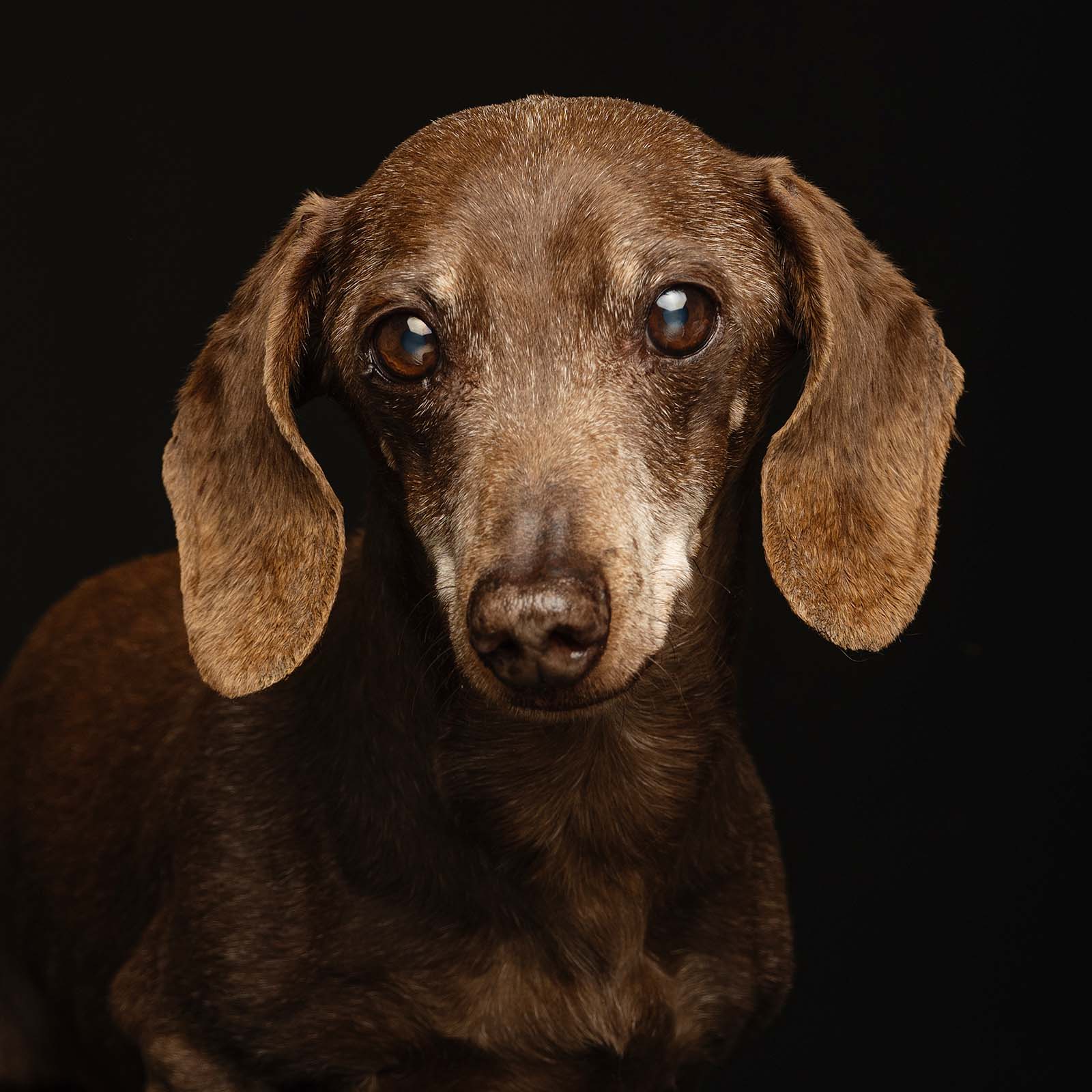
La silueta única del Dachshund es inconfundible: de cuerpo largo, bajo respecto al suelo, con patas cortas y robustas y un pecho profundo. Los Dachshunds Standard pesan entre 16-32 pounds; los Miniatures pesan menos de 11 pounds. A pesar de su pequeña estatura, los Dachshunds son musculosos y están construidos para excavar.
Tres variedades de pelo ofrecen aspectos diferentes: Smooth (corto, brillante y pegado al cuerpo), Wirehaired (pelo externo áspero y duro con una capa interna suave y un característico pelo facial) y Longhaired (sedoso, ligeramente ondulado, con flecos en las orejas, el pecho, las patas y la cola).
La cabeza es alargada con una expresión alerta e inteligente. Las orejas son largas y caídas. El pecho es prominente y profundo, lo que les proporciona capacidad pulmonar para el trabajo subterráneo. La cola prolonga la línea de la columna y se lleva sin una curvatura excesiva.
Temperamento
Los Dachshunds son audaces, astutos y obstinadamente independientes, rasgos que los convertían en excelentes cazadores de tejones y que los hacen compañeros entretenidos (aunque a veces exasperantes). Tienen personalidades mucho más grandes que sus cuerpos, afrontando la vida con una confianza intrépida que es tanto admirable como, en ocasiones, insensata.
Los Dachshunds son profundamente leales a sus familias, y a menudo crean un vínculo más fuerte con una sola persona. Son afectuosos con los suyos, pero pueden ser reservados o desconfiados con los extraños. Su naturaleza alerta y vigilante los convierte en perros guardianes sorprendentemente eficaces: anunciarán a cada visitante, repartidor y sonido sospechoso con su ladrido profundo y fuerte.
La independencia de la raza significa que el adiestramiento requiere paciencia y creatividad. Los Dachshunds entienden las órdenes a la perfección; simplemente evalúan si obedecer sirve a sus propios intereses. Esto no es rebeldía; es la misma resolución independiente de problemas que los convertía en eficaces cazadores solitarios bajo tierra.
Personalidad con Otros
Los Dachshunds son devotos de sus familias y, por lo general, buenos con los niños que son amables. Sin embargo, sus espaldas largas los hacen vulnerables a lesiones por un manejo brusco; enseñe a los niños a no levantar nunca a un Dachshund sin sostener todo su cuerpo. Con otros perros la relación es variable; los Dachshunds pueden ser dominantes y es posible que no se acobarden ante perros más grandes. La convivencia con perros de su misma raza suele funcionar bien. Con los gatos es variable: algunos Dachshunds coexisten pacíficamente mientras que otros activan su instinto de presa. Las mascotas pequeñas como los hámsteres deben mantenerse separadas. A los extraños se les mira con recelo hasta que son presentados adecuadamente.
Necesidades de Ejercicio
Los Dachshunds necesitan de 30-60 minutes de ejercicio diario. Los paseos regulares, las sesiones de juego y el tiempo supervisado en el jardín los mantienen en forma. CRÍTICO: Evite actividades que estresen la columna vertebral: nada de saltar dentro o fuera de los muebles, no subir escaleras corriendo y evitar juegos bruscos que impliquen giros. Nadar es un excelente ejercicio de bajo impacto (use un chaleco salvavidas ya que sus patas cortas hacen que nadar sea agotador). La estimulación mental a través de juguetes de rompecabezas y juegos de olfato satisface sus instintos de caza.
Entrenamiento
Adiestrar a un Dachshund es un ejercicio de paciencia y creatividad. Son inteligentes pero obstinadamente independientes; los métodos tradicionales de obediencia a menudo fallan. Utilice recompensas de comida de alto valor y mantenga las sesiones cortas (5 minutes). El entrenamiento para ir al baño es notoriamente difícil y puede llevar más de 6 meses. El entrenamiento con jaula ayuda pero requiere persistencia. Los Dachshunds responden mal a las correcciones severas, que pueden generar agresividad por miedo. El refuerzo positivo con mucha paciencia produce los mejores resultados.
Aseo
El aseo depende del tipo de pelo. Smooth: cepillado semanal, mantenimiento mínimo. Wirehaired: técnica de stripping manual 2-3 veces al año, cepillado semanal. Longhaired: cepillado 2-3 veces por semana para evitar enredos, manteniendo los flecos limpios. Todas las variedades: baño cada 4-6 semanas, limpieza de oídos semanal (esas orejas largas acumulan humedad), cuidado dental 2-3 veces por semana, corte de uñas cada 2-3 semanas.
Salud
Condiciones Comunes
La IVDD (enfermedad del disco intervertebral) es la preocupación de salud más importante para el Dachshund: su columna alargada y su caja torácica corta los hacen entre 10 y 12 veces más propensos a desarrollar enfermedades de los discos que otras razas. Aproximadamente el 25% de los Dachshunds experimentarán IVDD durante su vida, variando desde un dolor leve hasta la parálisis. La prevención mediante el control del peso, evitar los saltos y sostener la espalda al levantarlos es esencial. La obesidad aumenta drásticamente el riesgo de IVDD. Puede ser necesaria la cirugía en casos graves. A pesar de estos riesgos, los Dachshunds son perros longevos (12-16 years) cuando se les cuida adecuadamente.
Pruebas de Salud Recomendadas
- Examen Cardíaco
- Evaluación Patelar
- Evaluación Oftalmológica
- Prueba de ADN para PRA
Costo Veterinario Anual Promedio
$400–$800 (can spike to $5,000+ for IVDD surgery)
Nutrición
Los Dachshunds deben mantener un peso corporal magro para proteger su columna vertebral. Los adultos necesitan entre 600-900 calorías diarias, dependiendo de su tamaño y actividad. Aliméntelos dos veces al día con porciones medidas. NUNCA deje comida a libre disposición. La obesidad es el factor de riesgo prevenible número uno para la IVDD. Debería poder sentir las costillas de su Dachshund con facilidad. Las proteínas de alta calidad con grasa controlada favorecen una musculatura magra. Evite el exceso de golosinas; utilice premios de adiestramiento pequeños y bajos en calorías.
Entorno de Vida
Los Dachshunds se adaptan bien a apartamentos, condominios y casas. Su tamaño pequeño y sus necesidades moderadas de ejercicio los hacen adecuados para diversas situaciones de vivienda. Modificaciones clave: use rampas en lugar de escaleras, evite que salten dentro o fuera de los muebles (use escaleras o rampas para mascotas) y proporcióneles un área para dormir cálida y sin corrientes de aire. Toleran mejor los climas templados; las variedades de pelo corto son sensibles al frío y necesitan abrigos en invierno. Los climas cálidos son tolerables con sombra y agua.
Familia Ideal
Los Dachshunds se adaptan a personas solas, parejas, personas mayores y familias con niños mayores y amables. Son excelentes para quienes viven en apartamentos y personas que disfrutan de los paseos pero no necesitan un compañero de ejercicio de alta intensidad. Su lealtad los convierte en maravillosos compañeros para los jubilados. NO son ideales para: familias con niños pequeños (riesgo de lesiones en la espalda por manejo brusco), propietarios que desean confiabilidad sin correa o aquellos que buscan un perro fácil de adiestrar.
Inteligencia
Los Dachshunds se sitúan alrededor del puesto 49 en inteligencia de obediencia, pero esto subestima enormemente su capacidad cognitiva real. Su clasificación "baja" refleja una independencia obstinada en lugar de una comprensión limitada. Los Dachshunds son brillantes resolviendo problemas: pueden descubrir cómo abrir puertas, acceder a comida escondida y escapar de recintos aparentemente seguros. Su inteligencia para la caza es excepcional, y sobresalen en el trabajo de olfato y las actividades de rompecabezas.
Ladrido
Frecuencia
Alerta
Separación
Silencio Interior
Los Dachshunds son sorprendentemente ruidosos para su tamaño; su ladrido profundo y potente suena como si perteneciera a un perro mucho más grande. Ladran a los timbres, a los extraños, a otros perros, a las ardillas y a cualquier otra cosa que encuentren sospechosa o interesante. Esto los convierte en excelentes perros guardianes, pero potencialmente desafiantes en los apartamentos.
Muda de Pelo
Todo el Año
Estacional
Factor Aspiradora
Hipoalergénico
Las variedades Smooth y Longhaired mudan el pelo de forma moderada. Los Dachshunds Wirehaired son los que menos mudan y pueden ser ligeramente mejores para las personas alérgicas. En general, la muda es manejable con un cepillado regular.
Tolerancia Climática
☀️
Calor
❄️
Frío
🌧️
Lluvia
🌨️
Nieve
💧
Humedad
Calificaciones de la Raza
Datos Curiosos
El nombre significa "perro tejón" en alemán: Dachs (tejón) + Hund (perro).
Las carreras de "perros salchicha" se celebran en todo Estados Unidos, atrayendo a grandes multitudes.
Picasso era dueño de un Dachshund llamado Lump que apareció en varias de sus obras de arte.
Los Dachshunds fueron la primera mascota olímpica: "Waldi" para los Juegos Olímpicos de Múnich de 1972.
El ladrido de un Dachshund puede alcanzar hasta 108 decibelios, tan fuerte como una herramienta eléctrica.
El perrito caliente (hot dog) recibió en realidad su nombre por el Dachshund, y no al revés.
Los Dachshunds se presentan en más de 15 combinaciones de colores y patrones.
Andy Warhol era dueño de dos Dachshunds, Amos y Archie, que asistían a eventos sociales.
Perros Famosos
Lump
El querido Dachshund de Picasso que apareció en su obra de arte
Waldi
Primera mascota olímpica oficial: Juegos Olímpicos de Múnich 1972
Amos and Archie
Los famosos Dachshunds de compañía de Andy Warhol
Crusoe
"Dachshund celebridad" famoso en internet con millones de seguidores
Mitos Comunes
"Los Dachshunds son solo perros falderos de aspecto divertido."
Los Dachshunds fueron criados para luchar contra tejones bajo tierra, uno de los animales de presa más peligrosos. Son feroces, valientes y mucho más resistentes de lo que sugiere su apariencia.
"Todos los Dachshunds tendrán problemas de espalda."
Aunque el riesgo de IVDD es elevado (25% de incidencia a lo largo de su vida), el 75% de los Dachshunds nunca experimentan problemas graves de espalda. El control del peso y la modificación de la actividad reducen drásticamente el riesgo.
"Los Dachshunds no se pueden adiestrar."
Los Dachshunds se pueden adiestrar; solo se requiere más paciencia y creatividad que con razas más dóciles. La motivación con comida y el refuerzo positivo funcionan bien.
Preguntas Frecuentes
¿Son los Dachshunds buenos perros para apartamento?
¡Sí! Su tamaño pequeño y sus necesidades moderadas de ejercicio los hacen muy adecuados para la vida en apartamentos. Sin embargo, sus ladridos pueden ser un problema en espacios reducidos.
¿Ladran mucho los Dachshunds?
Sí, los Dachshunds son perros vocales con un ladrido profundo. Alertan de todo y puede ser difícil callarlos. El adiestramiento ayuda, pero se debe esperar una vocalización regular.
¿Son los Dachshunds buenos con los niños?
Con niños mayores y amables, sí. Sus espaldas frágiles los hacen inadecuados para familias con niños muy pequeños que puedan manejarlos de forma brusca.
¿Cómo prevengo los problemas de espalda en mi Dachshund?
Mantenga un peso magro, use rampas en lugar de escaleras, evite que salten dentro o fuera de los muebles, sostenga todo su cuerpo al levantarlos y evite actividades que tuerzan la columna.
¿Son los Dachshunds fáciles de entrenar para ir al baño?
Desafortunadamente, los Dachshunds son una de las razas más difíciles de entrenar para ir al baño. La paciencia, la constancia y el entrenamiento con jaula son esenciales. Puede llevar más de 6 meses.
Consejos de Adopción
Los rescates de Dachshund incluyen DARE (Dachshund Adoption, Rescue & Education) y organizaciones regionales. Muchos Dachshunds son entregados debido a dificultades para ir al baño o problemas de espalda inesperados. Pregunte sobre el historial de IVDD, el estado del entrenamiento para ir al baño y el temperamento con otros animales. Considere adoptar una pareja unida; los Dachshunds a menudo se adaptan muy bien en parejas.
Guía de Cachorro
Los cachorros de Dachshund son adorables e intrépidos. Comience con los hábitos de protección de la espalda de inmediato: nada de saltos, use rampas y sostenga el cuerpo al levantarlos. La socialización es importante para evitar una desconfianza excesiva hacia los extraños. El entrenamiento para ir al baño requiere paciencia: un horario constante, salidas frecuentes al exterior y entrenamiento con jaula. Los dientes de cachorro son afilados; redirija las mordeduras hacia juguetes adecuados. Los Dachshunds Standard alcanzan su tamaño definitivo a los 12 meses; los Miniatures a los 10-11 months.
Cuidado de Adulto Mayor
Los Dachshunds mayores (de 10+ años) necesitan un cuidado adicional de la espalda. El riesgo de IVDD aumenta con la edad. Los suplementos para las articulaciones son de ayuda. Mantener un peso magro es algo que no se puede enfatizar lo suficiente. Proporcione camas ortopédicas y mantenga las rampas accesibles. Reduzca la intensidad del ejercicio pero mantenga paseos suaves. Los problemas dentales son comunes; el cuidado dental regular previene la pérdida de dientes. Supervise los síntomas de la enfermedad de Cushing. Muchos Dachshunds viven entre 14-16 years con los cuidados adecuados.
Razas Similares
Basset Hound
Sabueso más grande y tranquilo con un cuerpo largo similar. Menos independiente pero con problemas de salud similares (problemas de espalda).
Beagle
Sabueso más activo y social. Mejor con otros perros pero más difícil de contener (vagar guiado por el olfato).
Corgi (Pembroke)
Constitución baja similar pero más activo y fácil de adiestrar. Perro de pastoreo en lugar de cazador.
Miniature Schnauzer
Tamaño y estado de alerta similares pero más fácil de adiestrar. Menos propenso a problemas de espalda.
Costos de Propiedad
Costo Estimado de por Vida
$10,000–$20,000 (can increase significantly with IVDD treatment)
Pros y Contras
Ventajas
Personalidad leal, valiente y entretenida
Larga esperanza de vida (12-16 years)
Tamaño compacto adecuado para apartamentos
Tres variedades de pelo que ofrecen opciones para diferentes preferencias
Excelente perro guardián con un gran ladrido
Necesidades de ejercicio de bajas a moderadas
Asequible en comparación con muchas razas populares
Aspecto increíblemente lindo e icónico
Desventajas
Alto riesgo de IVDD (problemas de espalda)
Extremadamente testarudo y difícil de adiestrar
El entrenamiento para ir al baño es notoriamente desafiante
Ladrido excesivo
Puede ser agresivo con los extraños y otros perros
Las espaldas frágiles requieren modificaciones en el estilo de vida
Propenso a la obesidad, lo que empeora los problemas de espalda
No es adecuado para familias con niños muy pequeños