
Welsh Terrier
Also known as: Welshie, WT
Energy Level
Apartment Friendly
Weight (Male)
20 lbs
Height (Male)
15 inches
Quick Facts
Coat Colors
Breed Summary
The Welsh Terrier is a compact, sturdy breed with classic black-and-tan terrier coloring. Cheerful, spirited, and friendly, they combine typical terrier energy with a more manageable temperament.
History
One of the oldest terrier breeds, developed in Wales for hunting foxes, badgers, and otters. Similar in appearance to smaller versions of the Airedale. Have been shown in dog shows since the 1880s. AKC recognized in 1888.
Appearance
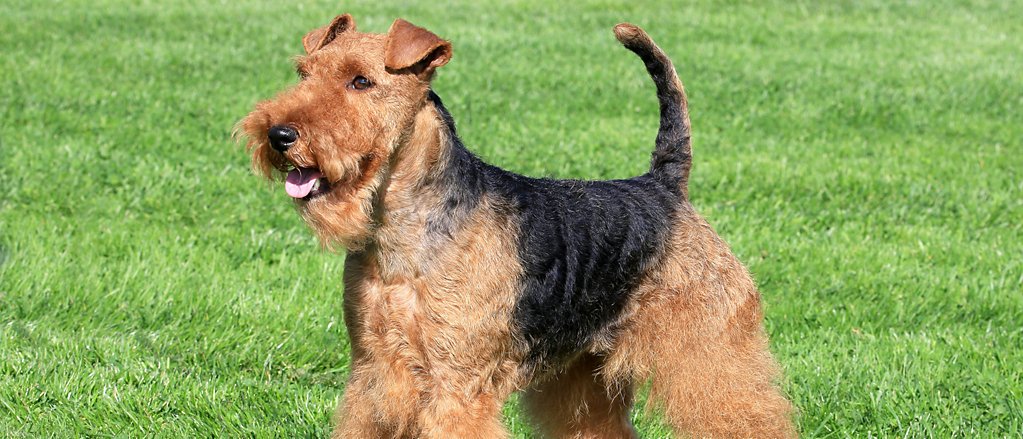
A compact, sturdy terrier resembling a small Airedale. Hard, dense, wiry coat in black and tan. Rectangular head with bushy eyebrows and beard. Alert, intelligent expression. Well-balanced, athletic build.
Temperament
Friendly, spirited, and intelligent. Welsh Terriers are among the more good-natured terrier breeds. They are playful, alert, and outgoing while being more cooperative than many terriers.
Personality Around Others
Friendly with people and generally good with other dogs. Good with children. Outgoing personality. Less aggressive than many terriers. Enjoy social interaction.
Exercise Needs
Moderate to high exercise needs. Daily walks and active play. Enjoy outdoor adventures. Need mental stimulation.
Training
Intelligent and willing to learn. Positive reinforcement works well. Less stubborn than many terriers. Consistent training.
Grooming
Wiry coat needs hand-stripping 2-3 times yearly. Regular brushing. Professional grooming recommended.
Health
Common Health Conditions
Generally healthy breed with few major concerns. Eye issues and epilepsy are occasional concerns.
Recommended Health Tests
- Ophthalmologist Evaluation
- Thyroid Testing
Average Annual Vet Cost
$600-$1,200
Nutrition
Quality food for active medium breeds. Two meals daily. Active dogs with moderate appetite.
Living Environment
Can adapt to apartments with exercise. Enjoy yards. Active indoor dogs when exercised.
Ideal Family
Active families wanting a friendly, manageable terrier. Good for terrier newcomers. Those who enjoy grooming.
Intelligence
Intelligent and quick to learn. More cooperative than many terriers. Enjoy training when it's fun.
Barking
Frequency
Alert
Separation
Quiet Indoors
Moderate barkers. Alert to visitors. Training manages barking well.
Shedding
Year-Round
Seasonal
Vacuum Factor 🧹
Hypoallergenic
Low shedding with proper grooming. Hand-stripping maintains coat texture.
Weather Tolerance
☀️
Heat
❄️
Cold
🌧️
Rain
🌨️
Snow
💧
Humidity
Breed Ratings
Fun Facts
One of the oldest terrier breeds, with references dating back to the 1400s
Often called a miniature Airedale due to similar coloring
They are among the friendliest of all terrier breeds
Welsh Terriers were the first terrier shown at English dog shows
They maintain their playful personality throughout life
Famous Dogs
Charlie
A famous Welsh Terrier who won Best in Show at Westminster and helped popularize the breed
Common Myths
"They're just small Airedales"
While similar in appearance, Welsh Terriers are a separate, older breed with their own distinct history
"All terriers are the same"
Welsh Terriers are notably friendlier and more cooperative than many terrier breeds
Frequently Asked Questions
How are they different from Airedales?
Welsh Terriers are smaller (15 inches vs 23 inches), have a different heritage, and are generally friendlier with other dogs.
Are they good first terriers?
Yes—they are among the more manageable terrier breeds, making them good for people new to terriers.
Puppy Guide
Welsh puppies are playful and friendly. Start grooming routine early. Easy to train with positive methods.
Senior Care
Senior Welsh Terriers stay playful. Watch for eye issues. Moderate exercise keeps them happy.
Ownership Costs
Estimated Lifetime Cost
$14,000-$20,000
Pros and Cons
Pros
Friendly terrier temperament
Low shedding
Good with children
Manageable size
Playful personality
Cons
Needs regular grooming
Moderate prey drive
Can be stubborn
Needs daily exercise
Can be barky