
Lakeland Terrier
Also known as: Lakeland, Patterdale Terrier
Energy Level
Apartment Friendly
Weight (Male)
17 lbs
Height (Male)
14.5 inches
Quick Facts
Coat Colors
Breed Summary
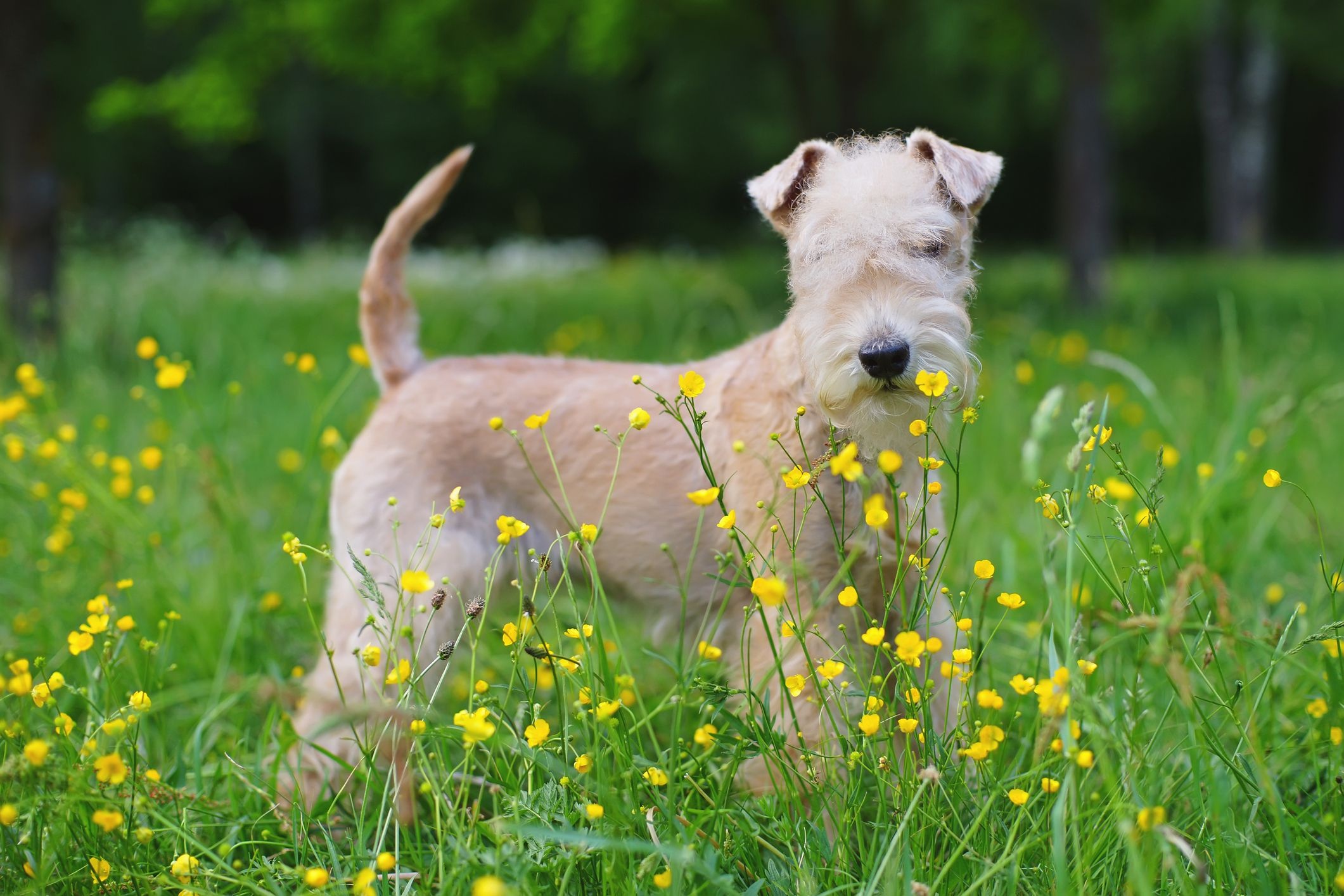
The Lakeland Terrier is a bold, friendly breed from England's Lake District. Bred to protect lambs from foxes in the rugged fell country, they are confident, cheerful companions with a zest for life.
History
Developed in the Lake District of England to protect livestock from foxes. One of the oldest working terrier breeds. Farmers needed a dog tough enough to pursue foxes into rocky terrain. AKC recognized in 1934.
Appearance
A sturdy, square-built terrier with a wiry double coat. Distinctive narrow head with bushy eyebrows and beard. V-shaped ears, dark eyes. Similar to Welsh Terrier but smaller. Balanced, athletic build.
Temperament
Bold, cheerful, and confident. Lakeland Terriers are spirited dogs with endless enthusiasm. They are friendly and entertaining, with typical terrier independence and determination.
Personality Around Others
Friendly with people. Good with older children. Can be feisty with other dogs. Cheerful and entertaining. Alert and curious.
Exercise Needs
Moderate to high exercise needs. Daily walks, play, and games. Love outdoor adventures. Need mental stimulation.
Training
Intelligent but independent. Positive reinforcement. Keep training fun. Can be stubborn. Consistent boundaries.
Grooming
Wiry coat needs hand-stripping 2-3 times yearly. Regular brushing. Professional grooming recommended. Low shedding.
Health
Common Health Conditions
Generally healthy breed with few major concerns. Eye issues and joint problems are occasional concerns.
Recommended Health Tests
- Ophthalmologist Evaluation
- Patellar Evaluation
Average Annual Vet Cost
$600-$1,200
Nutrition
Quality food for small active breeds. Two meals daily. Active dogs with moderate appetite.
Living Environment
Good apartment dogs with exercise. Love yards for exploring. Secure fencing. Active indoor dogs.
Ideal Family
Active owners wanting a cheerful companion. Families with older children. Those who enjoy terrier personality.
Intelligence
Intelligent and quick-witted. Creative problem-solvers. Can be mischievous. Enjoy learning new tricks.
Barking
Frequency
Alert
Separation
Quiet Indoors
Moderate to high barkers. Alert to everything. Training helps manage but they stay watchful.
Shedding
Year-Round
Seasonal
Vacuum Factor 🧹
Hypoallergenic
Low shedding with regular grooming. Hand-stripping keeps coat in condition.
Weather Tolerance
☀️
Heat
❄️
Cold
🌧️
Rain
🌨️
Snow
💧
Humidity
Breed Ratings
Fun Facts
Bred to protect lambs from foxes in the Lake District fells
One of the oldest working terrier breeds in England
Nearly identical to the Welsh Terrier but smaller
They are fearless—known to go underground after foxes
Excellent at earth dog trials and agility
Famous Dogs
Stingray of Derryabah
Won Best in Show at Westminster in 1968, one of the breed's finest champions
Common Myths
"They're the same as Welsh Terriers"
Though similar in appearance, Lakelands are smaller and were developed in a different region for different work
"Small terriers can't do real work"
Lakelands were bred for serious work—protecting livestock in some of England's toughest terrain
Frequently Asked Questions
How are they different from Welsh Terriers?
Lakelands are smaller and were bred in the Lake District for fox work. Welsh Terriers are slightly larger with a different heritage.
Are they good apartment dogs?
Yes—with adequate daily exercise, they adapt well to apartment living.
Puppy Guide
Lakeland puppies are energetic and bold. Start training early. Channel energy into positive activities.
Senior Care
Senior Lakelands remain cheerful. Watch for eye and joint issues. Moderate exercise keeps them happy.
Ownership Costs
Estimated Lifetime Cost
$14,000-$20,000
Pros and Cons
Pros
Cheerful personality
Low shedding
Bold and confident
Good apartment size
Long lifespan
Cons
Can be stubborn
May be dog-aggressive
Needs regular grooming
High prey drive
Can bark a lot