
Soft Coated Wheaten Terrier
Also known as: Wheaten, Irish Soft Coated Wheaten
Energy Level
Apartment Friendly
Weight (Male)
35-40 lbs
Height (Male)
18-19 inches
Quick Facts
Coat Colors
Breed Summary
The Soft Coated Wheaten Terrier is a joyful, friendly Irish breed known for their exuberant Wheaten greeting—jumping and spinning with delight. Their beautiful wheaten coat and happy personality make them beloved family companions.
History
One of four Irish terrier breeds, the Wheaten was the poor man's dog—an all-purpose farm dog for over 200 years. Used for herding, guarding, and hunting. Related to the Kerry Blue and Irish Terrier. AKC recognized in 1973.
Appearance
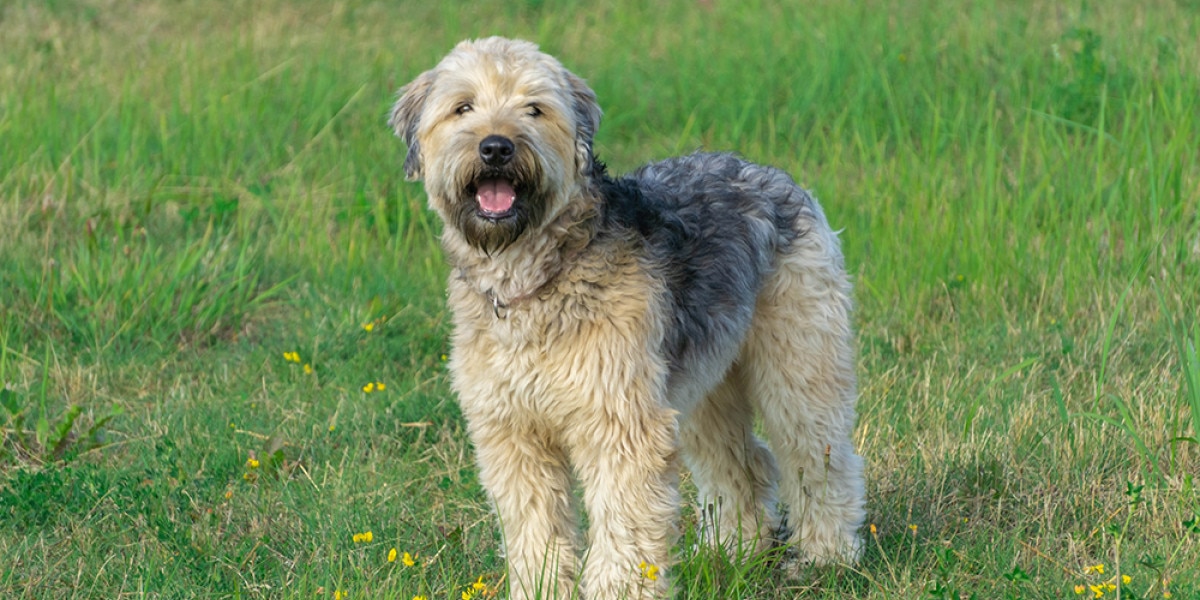
A medium-sized, compact terrier with a flowing, soft, silky wheaten-colored coat. The coat falls in gentle waves. Dark, almond-shaped eyes with a warm expression. Well-proportioned, athletic build.
Temperament
Happy, friendly, and exuberant. Wheatens are among the friendliest terrier breeds. They greet everyone with enthusiasm (the famous Wheaten Greetin'). Less aggressive than many terriers.
Personality Around Others
Extremely friendly with everyone. Great with children. Usually good with other dogs. Love all people. May jump when greeting.
Exercise Needs
Moderate to high exercise needs. Daily walks, play, and running. Enjoy swimming. Active but not hyperactive.
Training
Intelligent and eager to learn. Positive reinforcement. Can have a stubborn streak. Consistent training important.
Grooming
High grooming needs. Daily brushing to prevent matting. Professional grooming every 4-6 weeks. Coat never sheds normally.
Health
Common Health Conditions
PLN and PLE are significant breed-specific concerns. Regular protein screening recommended. Otherwise generally healthy.
Recommended Health Tests
- PLN/PLE Screening
- Renal Function Test
- Addison's Test
Average Annual Vet Cost
$800-$1,500
Nutrition
Quality food. Two meals daily. High-protein diets may need adjustment for dogs with kidney concerns.
Living Environment
Can adapt to apartments with exercise. Enjoy yards. Active indoor dogs. Need daily outdoor activity.
Ideal Family
Active families wanting a friendly, non-aggressive terrier. Good with children. Those committed to grooming.
Intelligence
Intelligent and willing. Quick learners. Enjoy mental challenges. Good at obedience and agility.
Barking
Frequency
Alert
Separation
Quiet Indoors
Moderate barkers. Alert to visitors. May bark when excited. Generally manageable.
Shedding
Year-Round
Seasonal
Vacuum Factor 🧹
Hypoallergenic
Non-shedding single coat. However, requires daily brushing and regular professional grooming.
Weather Tolerance
☀️
Heat
❄️
Cold
🌧️
Rain
🌨️
Snow
💧
Humidity
Breed Ratings
Fun Facts
Known for the famous Wheaten Greetin'—jumping and spinning with joy when greeting people
Their coat takes about two years to fully develop its wheaten color
One of four native Irish terrier breeds
Were the all-purpose farm dog of Irish small holders for 200 years
Their silky coat is unique among terrier breeds
Famous Dogs
Charlie
A famous Wheaten who helped establish the breed in America in the 1940s
Common Myths
"Non-shedding means no grooming"
Their single coat requires MORE grooming than many shedding breeds—daily brushing and regular professional grooming
"They're hyper dogs"
While energetic, they are moderately active and calmer than many terrier breeds
Frequently Asked Questions
Do they really jump when greeting people?
Yes—the famous Wheaten Greetin' involves jumping, spinning, and licking. Training can moderate it but it's part of their charm.
How much grooming do they need?
Daily brushing to prevent matting and professional grooming every 4-6 weeks. Their coat is beautiful but demanding.
Puppy Guide
Wheaten puppies have fluffy coats that darken before lightening. Start daily brushing routine early.
Senior Care
Senior Wheatens remain joyful. Monitor kidney function. Moderate exercise. Continue grooming routine.
Ownership Costs
Estimated Lifetime Cost
$17,000-$26,000
Pros and Cons
Pros
Extremely friendly
Non-shedding coat
Great with kids
Joyful personality
Good with other dogs
Cons
High grooming needs
Prone to PLN/PLE
Can jump on people
Daily brushing required
Grooming costs