
Skye Terrier
Also known as: Skye
Energy Level
Apartment Friendly
Weight (Male)
35-45 lbs
Height (Male)
10 inches
Quick Facts
Coat Colors
Breed Summary
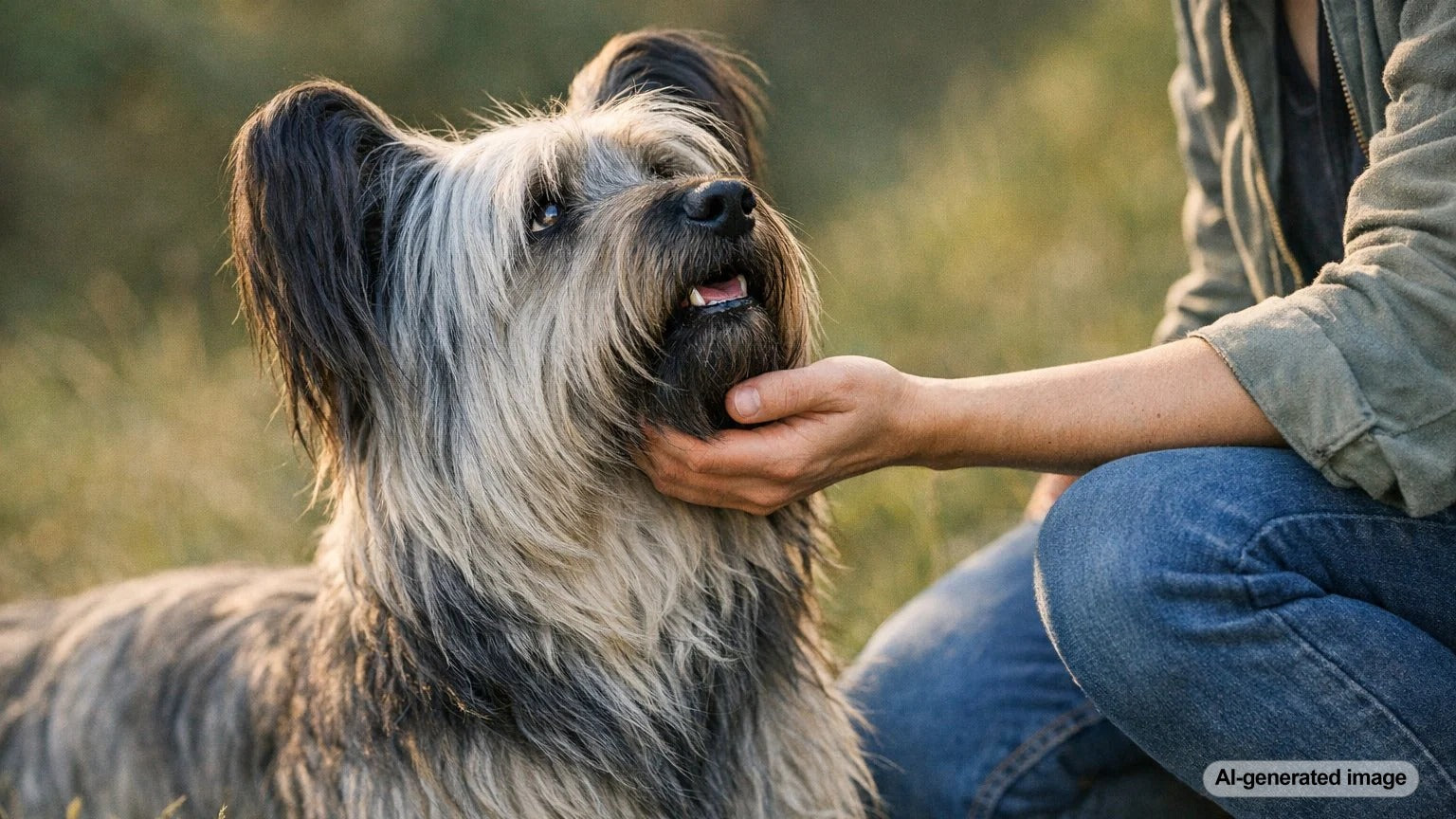
The Skye Terrier is a rare, elegant breed from Scotland's Isle of Skye. With their long, flowing coat and dignified bearing, they are loyal, devoted companions known for their unwavering faithfulness.
History
An ancient breed from the Isle of Skye in Scotland, dating back over 400 years. Originally bred for hunting foxes, badgers, and otters. The legendary Greyfriars Bobby brought fame to the breed. Once a favorite of Queen Victoria. AKC recognized in 1887.
Appearance
A low, long dog with a flowing double coat that reaches the ground. Distinguished by long hair veiling the forehead and eyes. Prick or drop ears with long feathering. Strong, graceful body twice as long as tall.
Temperament
Loyal, dignified, and devoted to a fault. Skye Terriers form intense bonds with their people. They are reserved with strangers but deeply faithful to family. The story of Greyfriars Bobby epitomizes their loyalty.
Personality Around Others
Intensely loyal—often one-person dogs. Reserved and cautious with strangers. Can be aggressive with other dogs. Sensitive to harsh treatment. Deep bonds.
Exercise Needs
Moderate exercise needs. Daily walks at a leisurely pace. Not high-energy. Care with jumping—their long backs are vulnerable.
Training
Intelligent but independent. Sensitive to corrections. Positive, gentle training. Patient approach needed. Bond-based training works best.
Grooming
Long coat needs regular brushing 2-3 times weekly. Professional grooming periodically. Keep coat clean and mat-free.
Health
Common Health Conditions
Their long, low body can predispose them to back issues. Cancer rates are higher than average. Regular health screening important.
Recommended Health Tests
- Orthopedic Evaluation
- Regular Cancer Screening
Average Annual Vet Cost
$800-$1,600
Nutrition
Quality food for medium breeds. Two meals daily. Monitor weight—obesity worsens back issues.
Living Environment
Can live in apartments. Calm indoors. No jumping from heights. Careful with stairs. Moderate walks.
Ideal Family
Those wanting a deeply loyal, devoted companion. Experienced owners. Not for casual dog owners.
Intelligence
Intelligent and perceptive. They read their owners well. Learn through relationship. Can be willful.
Barking
Frequency
Alert
Separation
Quiet Indoors
Not excessive barkers. Will alert when needed. Can bark when left alone.
Shedding
Year-Round
Seasonal
Vacuum Factor 🧹
Hypoallergenic
Moderate shedding despite long coat. Regular brushing manages loose hair effectively.
Weather Tolerance
☀️
Heat
❄️
Cold
🌧️
Rain
🌨️
Snow
💧
Humidity
Breed Ratings
Fun Facts
Greyfriars Bobby, who guarded his master's grave for 14 years, is believed to be a Skye Terrier
Queen Victoria bred Skye Terriers and helped popularize them
One of the most endangered native British breeds—fewer than 30 puppies born annually in UK
Over 400 years old as a breed
Once the most popular terrier in England
Famous Dogs
Greyfriars Bobby
The legendary Skye Terrier who guarded his master's grave in Edinburgh for 14 years until his own death
Queen Victoria's Skyes
Queen Victoria bred and championed Skye Terriers, making them fashionable in Victorian England
Common Myths
"Their coat is too much work"
While the coat needs regular brushing, it's not as demanding as some longer-coated breeds
"They're extinct"
While critically endangered in some countries, dedicated breeders are working to preserve the breed
Frequently Asked Questions
How rare are they?
Critically endangered—fewer than 30 puppies are born annually in the UK. Slightly more available in the US.
Is Greyfriars Bobby really a Skye Terrier?
Traditionally yes, though some historians debate whether he was a Skye or another terrier breed.
Puppy Guide
Skye puppies bond deeply with their family. Socialize gently. Avoid jumping. Handle with care.
Senior Care
Senior Skyes are calm and devoted. Watch for back issues. Gentle exercise. Their loyalty deepens with age.
Ownership Costs
Estimated Lifetime Cost
$15,000-$24,000
Pros and Cons
Pros
Deeply loyal
Dignified companion
Rich heritage
Moderate exercise
Beautiful coat
Cons
Very rare
Reserved with strangers
Prone to back issues
Needs regular grooming
Can be one-person dog