
Dandie Dinmont Terrier
Also known as: Dandie, Hindlee Terrier
Energy Level
Apartment Friendly
Weight (Male)
18-24 lbs
Height (Male)
8-11 inches
Quick Facts
Coat Colors
Breed Summary
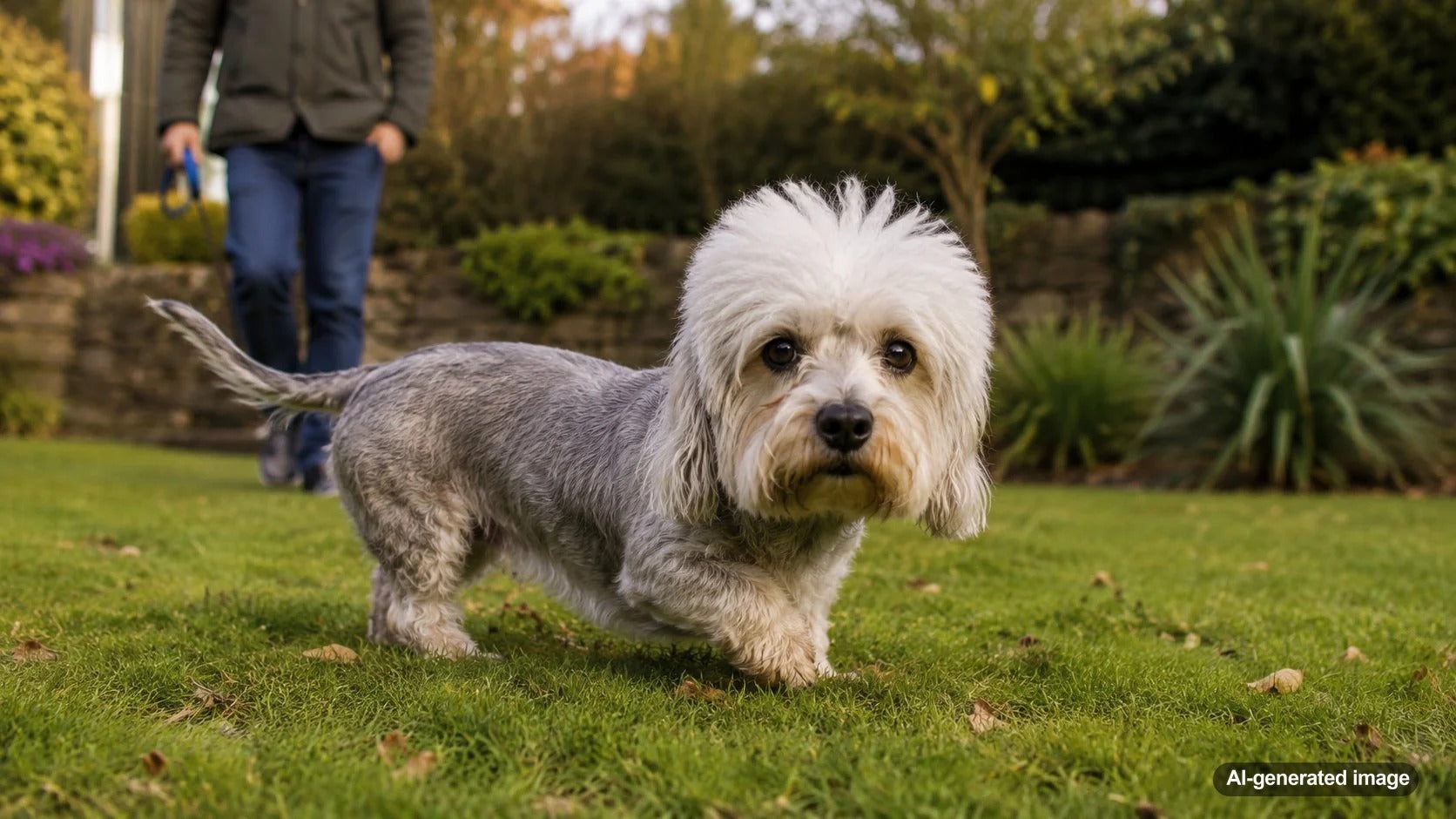
The Dandie Dinmont Terrier is a rare, distinctive breed with a unique silhouette and a gentle dignity uncommon in terriers. Named after a fictional character in a Sir Walter Scott novel, they are independent, intelligent, and devoted.
History
An old breed from the Scottish-English border region. Named after a character in Sir Walter Scott's 1814 novel Guy Mannering. Originally bred by border farmers for hunting otters and badgers. AKC recognized in 1886. Currently one of the rarest terrier breeds.
Appearance
Distinctive long body with short legs and a large, round head topped with a silky topknot. Soulful dark eyes and pendant ears. The body coat is a mix of hard and soft hair. Unique curved topline.
Temperament
Independent, dignified, and determined. Dandie Dinmonts have a calm, reserved demeanor that sets them apart from other terriers. They are devoted to their family but can be aloof with strangers.
Personality Around Others
Reserved with strangers but devoted to family. Can be independent. Good with considerate children. May be dog-aggressive. Dignified personality.
Exercise Needs
Moderate exercise needs. Daily walks and play. Not as hyperactive as many terriers. Enjoy sniffing and exploring at their own pace.
Training
Intelligent but independent. Can be stubborn. Positive reinforcement with patience. They learn at their own pace. Early socialization important.
Grooming
Regular brushing. Professional grooming every 6-8 weeks. The topknot needs special attention. Hand-stripping maintains coat texture.
Health
Common Health Conditions
Their long back makes them prone to disc disease. Eye issues including glaucoma are concerns. Generally healthy otherwise.
Recommended Health Tests
- Ophthalmologist Evaluation
- Spine Evaluation
Average Annual Vet Cost
$700-$1,400
Nutrition
Quality food for small breeds. Two meals daily. Monitor weight—obesity worsens back issues. Don't overfeed.
Living Environment
Good apartment dogs. Don't need a big yard. Indoor dogs that enjoy moderate walks. Avoid jumping due to back concerns.
Ideal Family
Those who appreciate an independent, dignified companion. Not for very active families. Good for calmer households.
Intelligence
Intelligent and thoughtful. They consider things before acting. Can be stubborn but learn well with patience.
Barking
Frequency
Alert
Separation
Quiet Indoors
Relatively quiet for a terrier. Have a surprisingly deep bark for their size.
Shedding
Year-Round
Seasonal
Vacuum Factor 🧹
Hypoallergenic
Low shedding with regular grooming. Professional care helps manage the unique coat.
Weather Tolerance
☀️
Heat
❄️
Cold
🌧️
Rain
🌨️
Snow
💧
Humidity
Breed Ratings
Fun Facts
Only breed named after a fictional literary character
Sir Walter Scott immortalized them in his 1814 novel
Queen Victoria owned Dandie Dinmonts
One of the most endangered native British breeds
They have a surprisingly deep bark for their small size
Famous Dogs
Old Pepper
One of the foundation dogs of the breed, owned by a James Davidson in the early 1800s
Queen Victoria's Dandies
Queen Victoria kept several Dandies, helping to popularize the breed
Common Myths
"Their long backs always cause problems"
While they can be prone to disc issues, proper weight management and care greatly reduces risks
"They're just another small terrier"
Dandies have a unique personality—more dignified and calm than most terriers
Frequently Asked Questions
Are they good apartment dogs?
Yes—their calm, quiet nature makes them well-suited to apartment living with daily walks.
Do they have back problems?
They can be prone to intervertebral disc disease. Keep weight healthy and avoid excessive jumping.
Puppy Guide
Dandie puppies are calmer than most terrier pups. Handle gently. Socialize well. Start grooming routine early.
Senior Care
Senior Dandies are calm and devoted. Watch for back issues and eye problems. Gentle exercise. Comfortable bedding important.
Ownership Costs
Estimated Lifetime Cost
$14,000-$22,000
Pros and Cons
Pros
Calm and dignified
Good apartment dog
Devoted companion
Low exercise needs
Quiet for a terrier
Cons
Very rare and hard to find
Prone to back issues
Can be stubborn
Needs regular grooming
Reserved with strangers