
Shiba Inu
Also known as: Shiba, Japanese Shiba
Energy Level
Apartment Friendly
Weight (Male)
23 lbs
Height (Male)
14.5-16.5 inches
Quick Facts
Coat Colors
Breed Summary
The Shiba Inu is Japan's most popular companion dog—a fox-like, independent breed known for the Shiba scream and their cat-like personality. Alert, confident, and bold, they are spirited companions with a devoted following.
History
One of Japan's oldest and smallest native breeds. Originally bred for hunting in Japan's mountainous regions. Nearly went extinct during WWII. The famous Doge meme features a Shiba Inu. AKC recognized in 1992.
Appearance
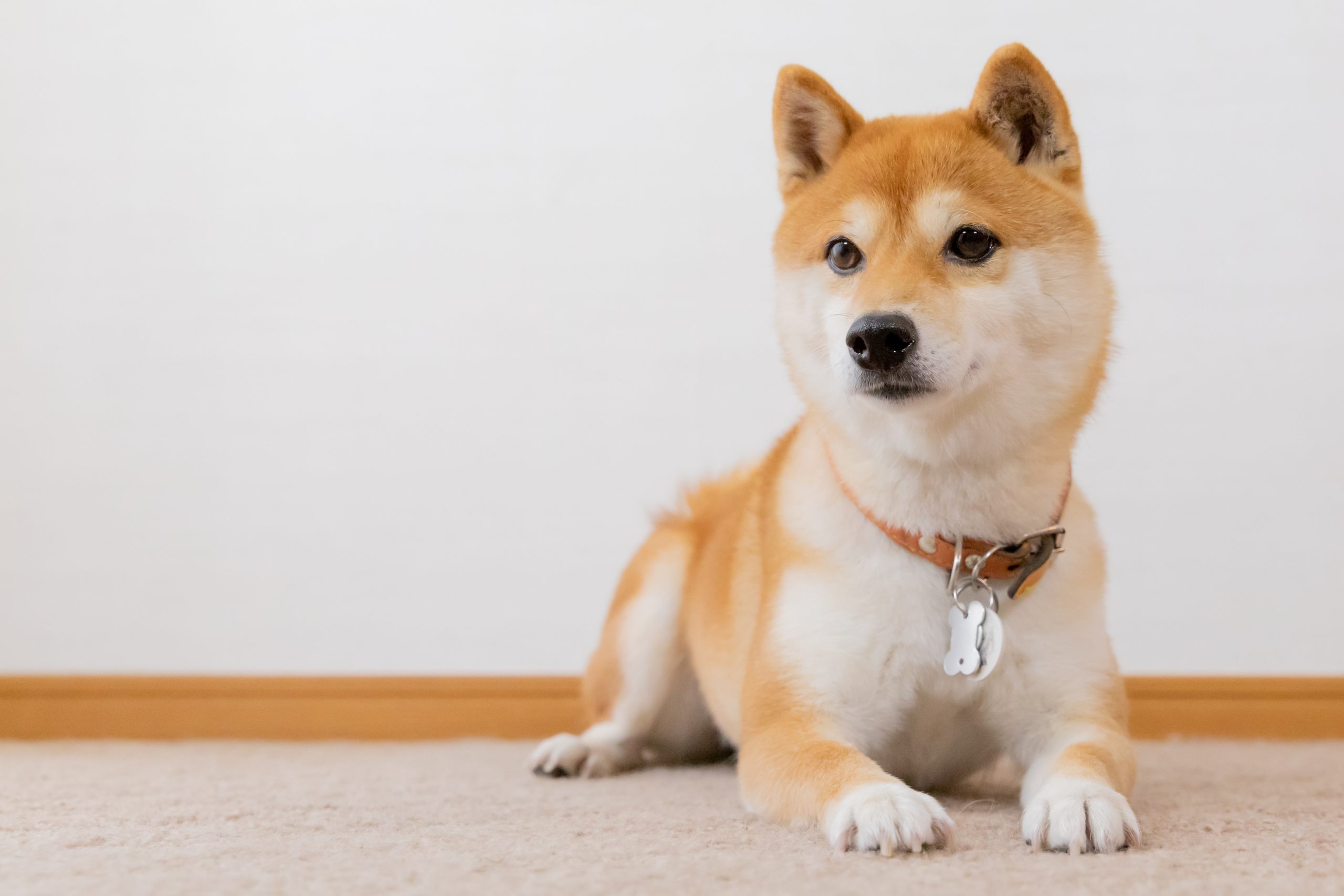
A compact, fox-like dog with a dense double coat and curled tail. Alert, triangular ears and small, dark triangular eyes. Muscular, well-balanced body. Bold, confident expression. Red is the most iconic color.
Temperament
Bold, alert, and strong-willed. Shibas are famously independent dogs with cat-like personalities. They are fastidiously clean, confident, and loyal to their people but on their own terms.
Personality Around Others
Loyal to family but independent. Reserved with strangers. Can be dog-aggressive. Cat-like cleanliness. Strong-willed.
Exercise Needs
Moderate exercise needs. Daily walks and play. Enjoy hiking. Secure fencing essential—they are escape artists.
Training
Very challenging to train. Extremely independent. They understand commands but choose when to comply. Patience essential.
Grooming
Dense coat needs weekly brushing. Heavy seasonal shedding. Regular baths. Never shave.
Health
Common Health Conditions
Generally healthy breed. Joint and eye issues are the main concerns. Long-lived.
Recommended Health Tests
- Patellar Evaluation
- Hip Evaluation
- Ophthalmologist Evaluation
Average Annual Vet Cost
$600-$1,200
Nutrition
Quality food. Two meals daily. Clean eaters. Not prone to obesity with exercise.
Living Environment
Can adapt to apartments. Need daily exercise and mental stimulation. Secure fencing.
Ideal Family
Experienced owners who appreciate independent dogs. Not for first-time owners. Cat lovers may enjoy.
Intelligence
Intelligent but willfully independent. They understand commands perfectly but decide whether to obey.
Barking
Frequency
Alert
Separation
Quiet Indoors
Moderate barkers. Famous for the Shiba scream—a distinctive vocalization when excited or distressed.
Shedding
Year-Round
Seasonal
Vacuum Factor 🧹
Hypoallergenic
Heavy seasonal shedding. Dense double coat blows twice yearly. Regular brushing essential.
Weather Tolerance
☀️
Heat
❄️
Cold
🌧️
Rain
🌨️
Snow
💧
Humidity
Breed Ratings
Fun Facts
The famous Doge internet meme features a Shiba Inu named Kabosu
The most popular companion breed in Japan
Known for the Shiba scream—a distinctive, dramatic vocalization
Nearly went extinct during WWII bombing raids and distemper epidemics
They are fastidiously clean—often grooming themselves like cats
Famous Dogs
Kabosu
The Shiba Inu behind the famous Doge meme—one of the most recognizable dogs on the internet
Hachi-Ko
While often called an Akita, the famous loyal Japanese dog story has boosted interest in all Japanese breeds including Shibas
Common Myths
"They're small so they're easy to manage"
Shibas are among the most challenging breeds despite their size—very independent and strong-willed
"They're aggressive"
Shibas are aloof and independent, not aggressive. Proper socialization produces confident, stable dogs
Frequently Asked Questions
What is the Shiba scream?
A distinctive, dramatic vocalization they make when excited, distressed, or unhappy. It's unique to the breed and quite startling.
Are they good apartment dogs?
They can be if well-exercised, but their independence and potential for barking should be considered.
Puppy Guide
Shiba puppies are adorable but challenging. Start socialization immediately. Be prepared for independence.
Senior Care
Senior Shibas remain independent and alert. Joint care if needed. Continue moderate exercise.
Ownership Costs
Estimated Lifetime Cost
$14,000-$22,000
Pros and Cons
Pros
Cat-like cleanliness
Loyal companion
Beautiful appearance
Long lifespan
Hardy breed
Cons
Very stubborn
Heavy shedding
Escape artists
Not easy to train
Can be dog-aggressive