
Scottish Terrier
Also known as: Scottie, Aberdeen Terrier
Energy Level
Apartment Friendly
Weight (Male)
19-22 lbs
Height (Male)
10 inches
Quick Facts
Coat Colors
Breed Summary
The Scottish Terrier is a dignified, independent breed with a distinctive profile. Known for their confidence and loyalty, Scotties are spirited companions with a reserved, aristocratic bearing.
History
One of the oldest Highland terrier breeds, dating back to at least the 1400s. Originally bred in Scotland for hunting badgers, foxes, and vermin. President Franklin Roosevelt's Scottie Fala became one of the most famous presidential pets. AKC recognized in 1885.
Appearance
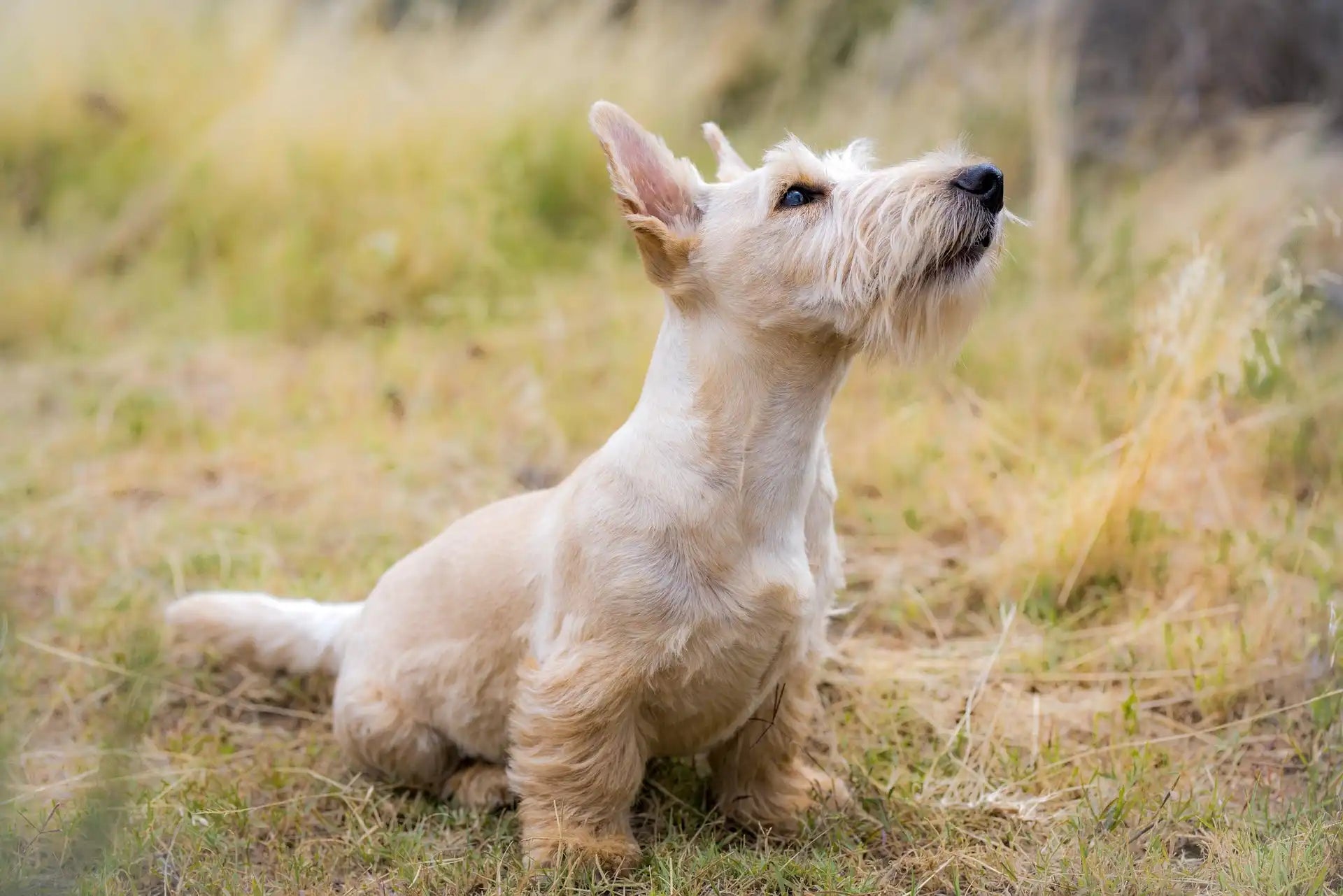
A compact, sturdy terrier with distinctive long head and beard. Hard, wiry coat. Erect ears, dark eyes, and a keen expression. Short legs with a surprisingly powerful body. Distinctive silhouette with a level back.
Temperament
Independent, dignified, and confident. Scotties are self-assured dogs with a reserved personality. They are loyal to family but aloof with strangers. Less outgoing than many breeds but deeply devoted.
Personality Around Others
Loyal to family but reserved with strangers. Independent personality. Can be aggressive with other dogs. One-person or one-family dogs. Dignified bearing.
Exercise Needs
Moderate exercise needs. Daily walks and play. Not hyperactive. Enjoy outdoor exploration at their own pace.
Training
Intelligent but very independent. Can be stubborn. Patient, positive training needed. They learn on their own terms.
Grooming
Wiry coat needs hand-stripping 2-3 times yearly. Regular brushing. Professional grooming for show-style trim.
Health
Common Health Conditions
Bladder cancer (transitional cell carcinoma) is significantly more common in Scotties than other breeds. Von Willebrand's disease is also a concern.
Recommended Health Tests
- vWD DNA Test
- Patellar Evaluation
- Ophthalmologist Evaluation
Average Annual Vet Cost
$800-$1,500
Nutrition
Quality food for small breeds. Two meals daily. Monitor for urinary health. Adequate water intake important.
Living Environment
Good apartment dogs. Moderate activity. Not yard-dependent. Indoor dogs that enjoy walks.
Ideal Family
Those who appreciate an independent, dignified companion. Not for those wanting an outgoing, effusive dog.
Intelligence
Intelligent and cunning. Think independently. Problem-solvers who work things out on their own.
Barking
Frequency
Alert
Separation
Quiet Indoors
Not excessive barkers. Deep, impressive bark for their size. Alert when needed.
Shedding
Year-Round
Seasonal
Vacuum Factor 🧹
Hypoallergenic
Low shedding with regular grooming. Hand-stripping keeps coat in condition.
Weather Tolerance
☀️
Heat
❄️
Cold
🌧️
Rain
🌨️
Snow
💧
Humidity
Breed Ratings
Fun Facts
President Roosevelt's Scottie Fala is the most famous presidential pet
Scotties appear on the Monopoly board as a game piece
One of the most recognizable dog silhouettes in the world
Three U.S. presidents owned Scotties
The Scottie has been featured more on merchandise than almost any other breed
Famous Dogs
Fala
President Franklin Roosevelt's beloved Scottie—the most famous presidential pet in U.S. history
Barney
President George W. Bush's Scottie who had his own White House website and webcam
Miss Beazley
Another of President Bush's Scotties who lived at the White House
Common Myths
"They're aloof and unloving"
Scotties are deeply devoted to their families—they just show love differently than more demonstrative breeds
"They're aggressive dogs"
Their independence is often mistaken for aggression—they're simply confident and self-assured
Frequently Asked Questions
Are they good family dogs?
Yes for the right family—they're loyal and devoted but independent. Best with families who respect their personality.
Why are they called the Diehard?
Their nickname comes from their incredible determination and tenacity—once they decide something, nothing changes their mind.
Puppy Guide
Scottie puppies are confident from the start. Early socialization crucial. Patient training. Establish mutual respect.
Senior Care
Senior Scotties remain dignified. Watch for bladder issues and joint problems. Moderate walks. Comfortable routine.
Ownership Costs
Estimated Lifetime Cost
$15,000-$22,000
Pros and Cons
Pros
Dignified and loyal
Low shedding
Good apartment dog
Iconic appearance
Independent
Cons
Stubborn and independent
Reserved with strangers
Can be dog-aggressive
Higher cancer risk
Needs regular grooming