
Plott Hound
Also known as: Plott, Plott Bear Hound
Energy Level
Apartment Friendly
Weight (Male)
50-60 lbs
Height (Male)
20-25 inches
Quick Facts
Coat Colors
Breed Summary
The Plott Hound is a bold, relentless scenthound and the state dog of North Carolina. Bred for bear and boar hunting, they combine tenacity on the trail with a loyal, affectionate nature at home.
History
The only coonhound breed not descended from English Foxhounds, the Plott was developed by the Plott family from German Hanoverian Schweisshunds brought to North Carolina in the 1750s. AKC recognized in 2006.
Appearance
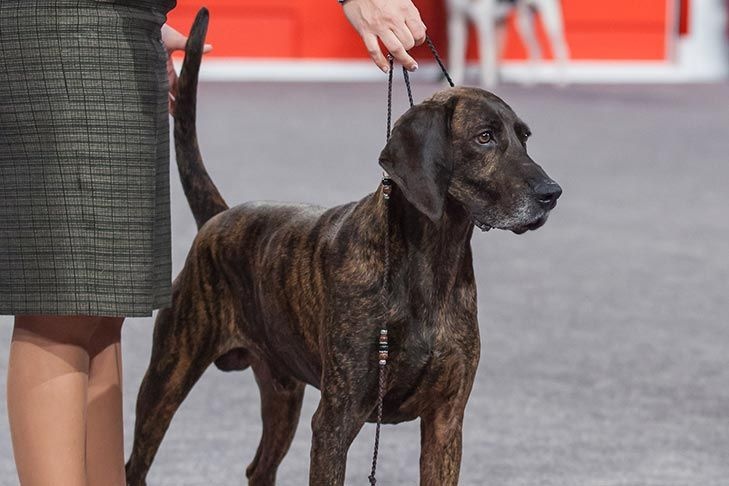
A muscular, athletic hound with a distinctive brindle coat. Strong, well-defined features with a moderately long tail. Their streamlined build is designed for speed and endurance in mountain terrain.
Temperament
Bold, confident, and determined on the trail, the Plott Hound is loyal and affectionate at home. They are more protective than most hound breeds and can be wary of strangers. Their courage is remarkable.
Personality Around Others
Loyal and devoted to family. Can be reserved with strangers—more so than other coonhounds. Good with family children. Gets along with other dogs but can be dominant. Higher protective instinct than other hounds.
Exercise Needs
Very high exercise needs. Built for endurance and stamina. At least 1-2 hours of vigorous daily exercise. Excellent hiking and trail companions. Need secure fencing.
Training
Intelligent and eager to work. More focused than many hound breeds. Positive reinforcement with consistency. They have strong prey drive that can make recall challenging.
Grooming
Very low-maintenance coat. Weekly brushing and occasional baths. Regular ear cleaning. Simple grooming routine.
Health
Common Health Conditions
Generally a healthy, hardy breed with few genetic issues. Their hunting heritage has kept the breed relatively robust.
Recommended Health Tests
- Hip Evaluation
Average Annual Vet Cost
$700-$1,300
Nutrition
Active dogs needing quality, protein-rich food. Two meals daily. Adjust for activity level. Monitor weight and avoid feeding near exercise times.
Living Environment
Best in rural or suburban homes with large, fenced yards. Active outdoor families are ideal. Can be vocal, making apartment living challenging.
Ideal Family
Ideal for active, outdoorsy families. Good with children when raised together. Best for experienced dog owners who can provide strong leadership and ample exercise.
Intelligence
Intelligent and determined. Quick learners when motivated. Their focus on the trail is impressive. They can be problem-solvers when it comes to reaching their goals.
Barking
Frequency
Alert
Separation
Quiet Indoors
Deep, loud baying voice. They are vocal on the trail and can bay when excited. Training helps manage excessive vocalization.
Shedding
Year-Round
Seasonal
Vacuum Factor 🧹
Hypoallergenic
Light to moderate shedding. Their short, fine coat is easy to maintain.
Weather Tolerance
☀️
Heat
❄️
Cold
🌧️
Rain
🌨️
Snow
💧
Humidity
Breed Ratings
Fun Facts
The Plott Hound is the state dog of North Carolina
They are the only AKC coonhound breed not descended from English Foxhounds
The breed was developed by a single family—the Plotts—for over 200 years
They were originally bred to hunt bears, not raccoons
Famous Dogs
Big Boy
Legendary Plott Hound known for exceptional bear-hunting abilities in the Appalachian Mountains
Common Myths
"They are only for hunting"
With proper exercise and training, they make loyal, affectionate family companions
"They are aggressive"
They are bold and protective but not aggressive. They are loyal and affectionate with their families
Frequently Asked Questions
Are Plott Hounds good family dogs?
Yes, they are loyal and affectionate with their families. They need active owners who can provide significant exercise.
How are they different from other coonhounds?
They descend from German hounds rather than English Foxhounds, giving them a more protective, focused temperament.
Puppy Guide
Bold, confident puppies that benefit from early socialization. Start training early. Provide ample exercise outlets. They mature into focused, determined adults.
Senior Care
Senior Plotts may slow down but remain loyal companions. Monitor for joint issues. Continue moderate exercise. Their hardy constitution supports a good lifespan.
Ownership Costs
Estimated Lifetime Cost
$13,000-$19,000
Pros and Cons
Pros
Loyal and devoted
Excellent tracking ability
Low grooming needs
Hardy and healthy
Cons
Very high exercise needs
Can be vocal
Reserved with strangers
Strong prey drive