
Pekingese
Also known as: Peke, Lion Dog, Peking Palasthund
Energy Level
Apartment Friendly
Weight (Male)
Up to 14 lbs
Height (Male)
6-9 inches
Quick Facts
Coat Colors
Breed Summary
The Pekingese is a regal, lion-hearted toy breed that was the sacred companion of Chinese emperors. With their lion-like mane and dignified bearing, they are courageous, loyal, and charmingly self-important.
History
An ancient breed from the Chinese imperial court, dating back at least 2,000 years. Sacred to Chinese emperors—commoners had to bow to them. Brought to England after the looting of the Imperial Palace in 1860. AKC recognized in 1906.
Appearance
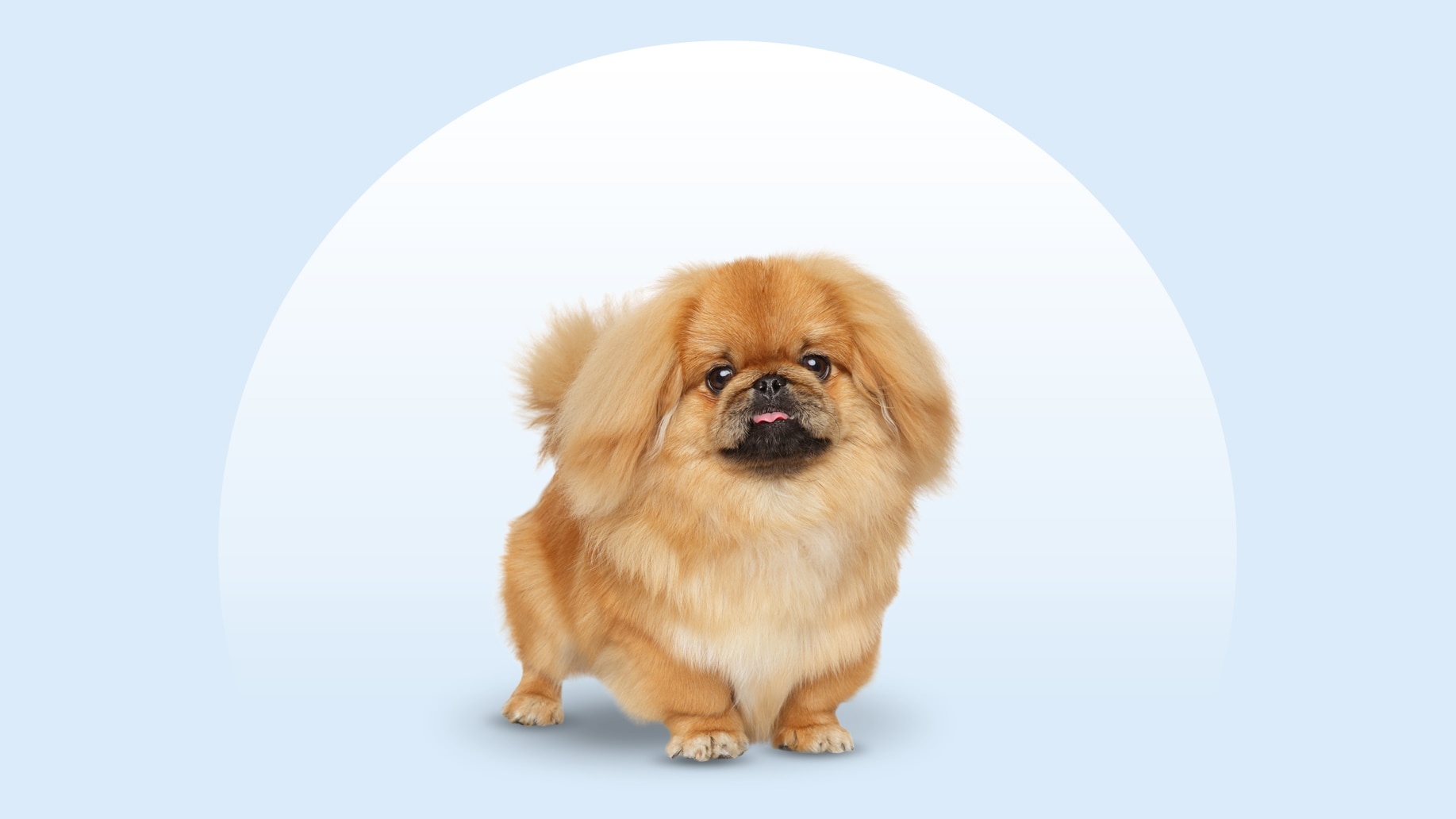
A compact, stocky toy dog with a distinctive flat face and abundant mane resembling a lion. Profuse, long double coat. Large, round, dark eyes. Broad, flat skull. Rolling, dignified gait.
Temperament
Regal, dignified, and independent. Pekes are courageous beyond their size and carry themselves with emperor-like dignity. They are loyal to their people but on their own terms.
Personality Around Others
Devoted to family but on own terms. Independent. Reserved with strangers. Can be possessive. Prefer calm environments.
Exercise Needs
Very low exercise needs. Short walks. Avoid overexertion due to flat face. Indoor dogs. Heat sensitive.
Training
Stubborn and independent. Training on their terms. Positive reinforcement. Patient, short sessions.
Grooming
High-maintenance coat. Daily brushing. Regular professional grooming. Clean facial folds. Heat management.
Health
Common Health Conditions
Brachycephalic breed with significant respiratory concerns. Protruding eyes are vulnerable to injury. Regular vet care essential.
Recommended Health Tests
- Cardiac Exam
- Patellar Evaluation
- Ophthalmologist Evaluation
Average Annual Vet Cost
$600-$1,200
Nutrition
Quality food. Small portions. Avoid obesity—worsens breathing problems. Monitor weight carefully.
Living Environment
Perfect apartment companions. Calm, quiet, low activity. Air conditioning essential in warm weather.
Ideal Family
Calm households. Those who appreciate independent, regal personality. Not for active families.
Intelligence
Moderately intelligent but highly independent. They choose when to cooperate. Stubborn learners.
Barking
Frequency
Alert
Separation
Quiet Indoors
Generally quiet. May bark at strangers. Not excessive barkers.
Shedding
Year-Round
Seasonal
Vacuum Factor 🧹
Hypoallergenic
Heavy shedding. Long double coat requires daily maintenance.
Weather Tolerance
☀️
Heat
❄️
Cold
🌧️
Rain
🌨️
Snow
💧
Humidity
Breed Ratings
Fun Facts
Sacred to Chinese emperors for over 2,000 years
Commoners were required to bow to Pekingese in ancient China
They were stolen from the Imperial Palace during the 1860 Anglo-French invasion
A Peke survived the Titanic sinking—one of only three dogs to do so
They are called Lion Dogs for their mane-like coat and courageous spirit
Famous Dogs
Sun Yat Sen
One of five Pekingese taken from the Imperial Palace in Beijing in 1860
Sun Yat Sen (Titanic)
A Pekingese that survived the sinking of the Titanic in 1912
Common Myths
"They're just lazy lap dogs"
Pekes have a courageous, lion-hearted spirit—they were bred to be fearless imperial guardians
"Their flat face is just cosmetic"
Brachycephalic features cause real health issues. Responsible breeders work toward moderate face structure
Frequently Asked Questions
Can they handle hot weather?
No—their flat face makes breathing difficult in heat. Air conditioning is essential in warm climates.
Are they good with children?
Best with older, gentle children. They don't tolerate rough handling and prefer calm interaction.
Puppy Guide
Peke puppies are tiny and regal from birth. Handle gently. Avoid heat. Start grooming routine early.
Senior Care
Senior Pekes are calm and devoted. Breathing may worsen. Keep cool. Gentle, short walks.
Ownership Costs
Estimated Lifetime Cost
$13,000-$20,000
Pros and Cons
Pros
Regal and dignified
Low exercise needs
Loyal companion
Quiet
Good apartment dog
Cons
Heavy shedding
High grooming needs
Heat intolerant
Stubborn
Breathing problems