
Papillon
Also known as: Continental Toy Spaniel, Butterfly Dog, Phalene
Energy Level
Apartment Friendly
Weight (Male)
5-10 lbs
Height (Male)
8-11 inches
Quick Facts
Coat Colors
Breed Summary
The Papillon, named for its butterfly-like ears, is one of the most intelligent and trainable toy breeds. These elegant little dogs combine beauty with brains, excelling at agility and obedience despite their tiny size.
History
An ancient breed depicted in Renaissance paintings dating back to the 1500s. Originally had drop ears (Phalene variety). The erect-eared Papillon became popular in the 1800s. Beloved by Marie Antoinette and other European royalty. AKC recognized in 1915.
Appearance
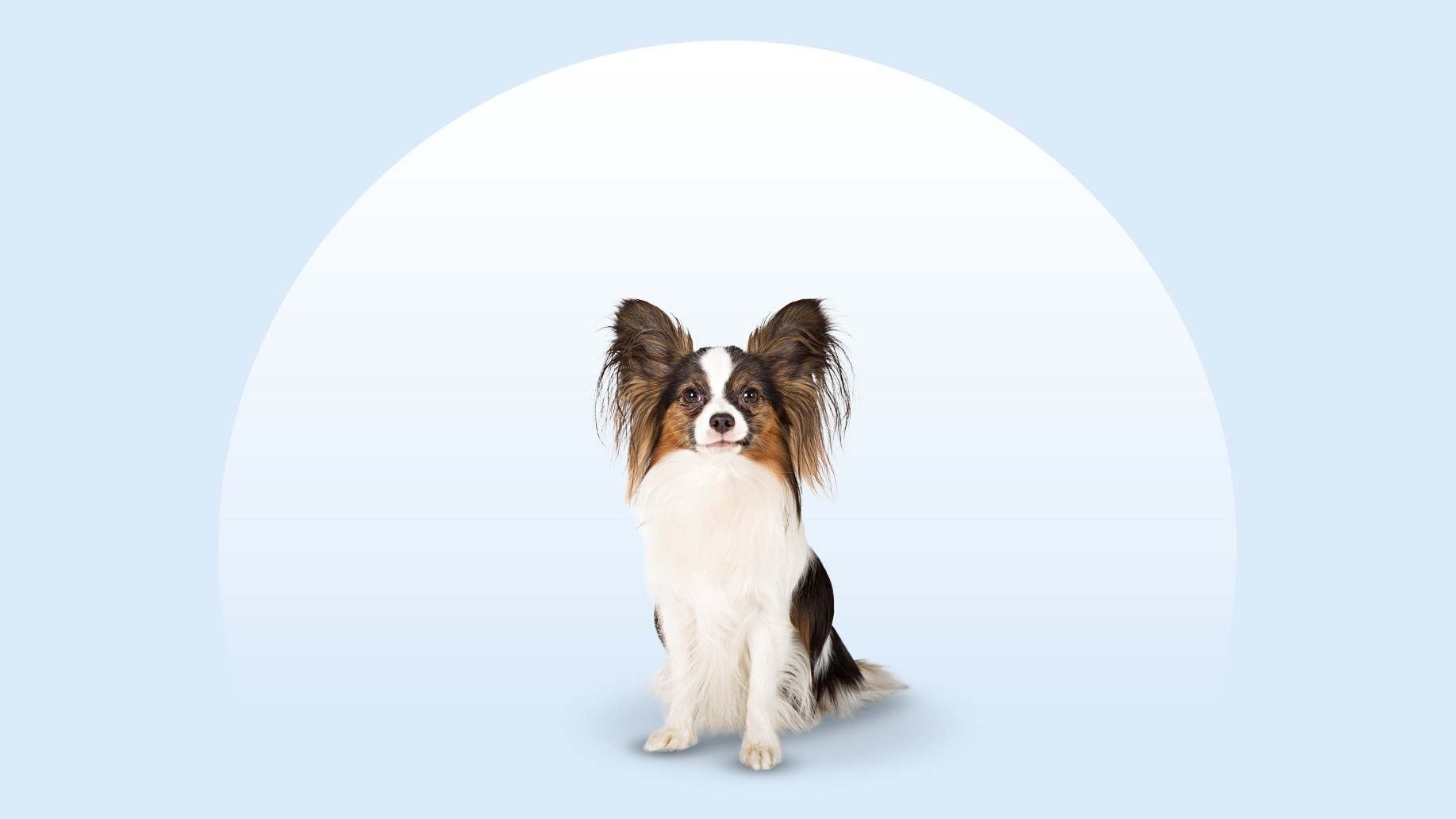
A dainty, elegant toy dog with large, wing-like ears resembling butterflies (Papillon) or moths (Phalene drop-ear variety). Fine-boned with a silky, flowing coat. Alert, intelligent expression. Plumed tail.
Temperament
Happy, alert, and extraordinarily intelligent. Papillons are the Einstein of toy breeds—they learn quickly, love to perform, and thrive on mental stimulation. Despite their delicate appearance, they are hardy and athletic.
Personality Around Others
Very friendly and social. Good with children and other pets. Love attention and activities. Thrive on companionship. Outgoing.
Exercise Needs
Moderate exercise needs despite small size. Daily walks and play. Love agility training. Active little dogs.
Training
One of the most trainable toy breeds. Quick learners. Eager to please. Excel at obedience, agility, and tricks.
Grooming
Easy to groom despite long coat. No undercoat means less matting. Weekly brushing. No trimming needed.
Health
Common Health Conditions
Generally healthy with long lifespan. Fontanel (soft spot on skull) is common in puppies. Regular dental care needed.
Recommended Health Tests
- Patellar Evaluation
- Cardiac Exam
- Ophthalmologist Evaluation
Average Annual Vet Cost
$500-$1,000
Nutrition
Quality toy-breed food. Small, frequent meals for puppies to prevent hypoglycemia. Dental care important.
Living Environment
Excellent apartment dogs. Active but small. Enjoy any living situation with their people.
Ideal Family
Active owners wanting a trainable companion. Great for first-time owners. Dog sport enthusiasts. All ages.
Intelligence
Among the top 10 most intelligent dog breeds—extraordinary for a toy breed. Excel at everything they try.
Barking
Frequency
Alert
Separation
Quiet Indoors
Moderate barkers. Alert to sounds. Can be trained to be quiet. Generally well-behaved.
Shedding
Year-Round
Seasonal
Vacuum Factor 🧹
Hypoallergenic
Very low shedding. No undercoat means minimal loose hair. Easy-care silky coat.
Weather Tolerance
☀️
Heat
❄️
Cold
🌧️
Rain
🌨️
Snow
💧
Humidity
Breed Ratings
Fun Facts
Ranked in the top 10 most intelligent dog breeds of all sizes
Named Papillon (butterfly) for their ear shape—Phalene (moth) for drop-eared variety
Marie Antoinette reportedly carried her Papillon to the guillotine
Featured in paintings by Titian, Rubens, and Rembrandt
They can excel at agility competing against dogs ten times their size
Famous Dogs
Marie Antoinette's Papillon
The French queen reportedly carried her beloved Papillon to the guillotine
Loteki Supernatural Being
A Papillon who won Best in Show at Westminster in 1999—the first toy breed to win in decades
Common Myths
"Toy dogs can't do agility"
Papillons are among the best agility dogs of any size—they regularly outperform much larger breeds
"Their ears are high-maintenance"
The ear fringes require minimal care and are part of their natural beauty
Frequently Asked Questions
Are they really that smart?
Yes—ranked in the top 10 most intelligent breeds of all sizes. They learn quickly and love mental challenges.
Do they need a lot of grooming?
Surprisingly little—no undercoat means less matting. Weekly brushing and no trimming needed.
Puppy Guide
Papillon puppies are tiny but bold. Protect from falls. Start training early—they love to learn.
Senior Care
Senior Papillons remain bright and active. Dental care critical. Light exercise. Their intelligence stays sharp.
Ownership Costs
Estimated Lifetime Cost
$12,000-$18,000
Pros and Cons
Pros
Extremely intelligent
Easy to groom
Great apartment dog
Highly trainable
Long lifespan
Cons
Fragile small size
Can be yappy
Dental issues
Hypoglycemia risk
May be too delicate for toddlers