
Norwich Terrier
Also known as: Norwich
Energy Level
Apartment Friendly
Weight (Male)
12 lbs
Height (Male)
10 inches
Quick Facts
Coat Colors
Breed Summary
The Norwich Terrier is a small, spirited breed distinguished by prick ears and a big personality. One of the smallest working terriers, they are fearless, affectionate, and endlessly entertaining companions.
History
Developed in and around Cambridge and Norwich in East Anglia, England. Originally popular with Cambridge University students. Separated from the Norfolk Terrier based on ear type. AKC recognized in 1936.
Appearance
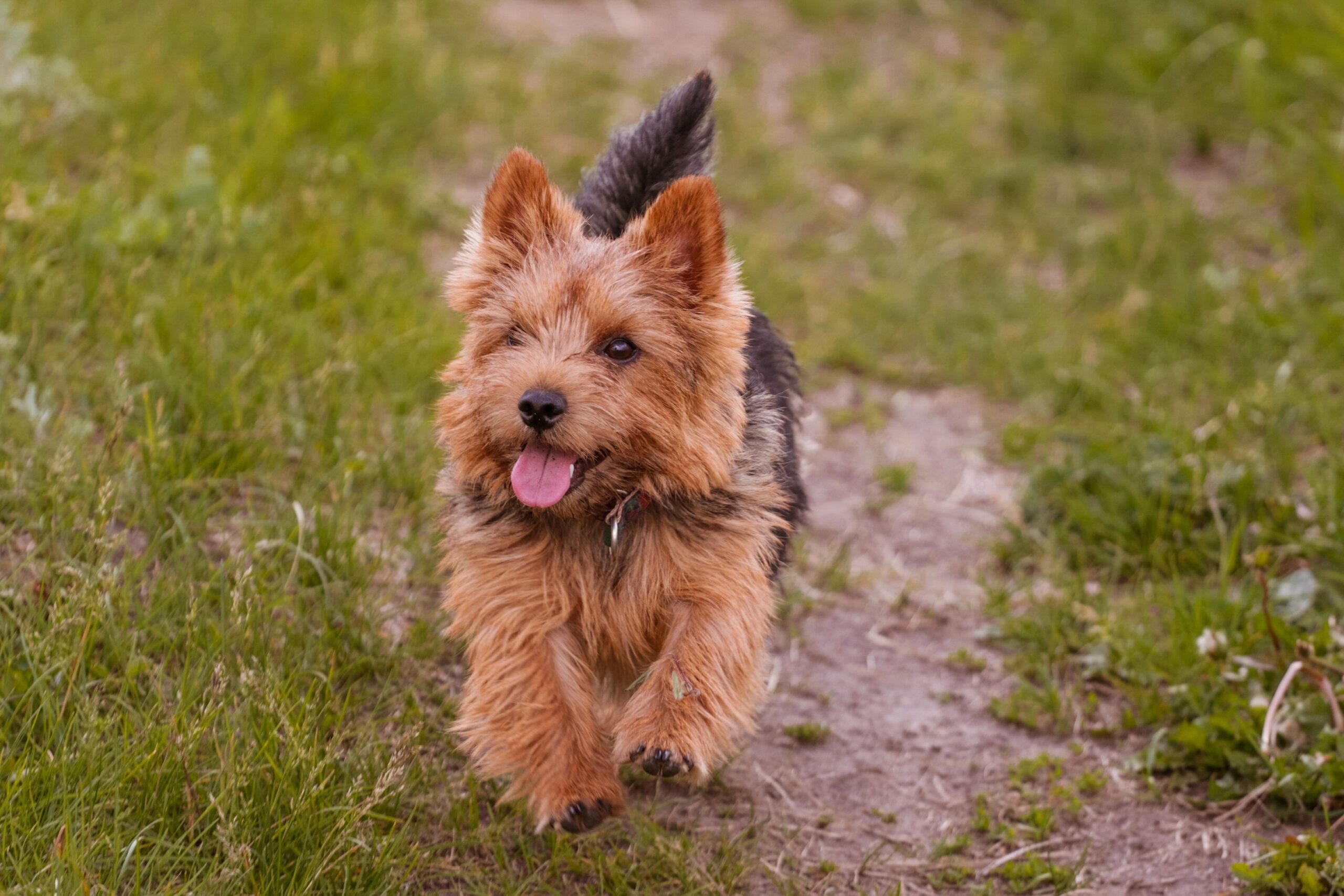
One of the smallest working terriers with distinctive prick ears. Hard, wiry coat. Fox-like expression with bright, dark eyes. Compact, short-legged, sturdy body.
Temperament
Happy, fearless, and affectionate. Norwich Terriers pack enormous personality into a tiny frame. They are loyal, social, and always ready for adventure. One of the sweetest terrier breeds.
Personality Around Others
Very sociable with people and dogs. Great with children. Friendly with strangers. Love company. Can have separation anxiety.
Exercise Needs
Moderate exercise needs. Daily walks and play. Active but adaptable. Love games and exploration.
Training
Eager to please and trainable. Positive methods work well. Quick learners. Less independent than many terriers.
Grooming
Hand-strip coat twice yearly. Weekly brushing. Low-maintenance between sessions. Regular ear, nail, dental care.
Health
Common Health Conditions
Upper Airway Syndrome is a significant breed concern. Heart issues also noted. Regular health screening important.
Recommended Health Tests
- Cardiac Exam
- Patellar Evaluation
- BOAS Assessment
Average Annual Vet Cost
$600-$1,200
Nutrition
Quality small-breed food. Two meals daily. Easy keepers. Monitor weight.
Living Environment
Excellent apartment dogs. Small, adaptable, social. Need company. Daily exercise keeps them happy.
Ideal Family
Families, singles, seniors wanting a friendly small companion. Good first-time owners. Apartment dwellers.
Intelligence
Bright and quick-witted. Eager learners. Enjoy games and challenges. Good problem-solvers.
Barking
Frequency
Alert
Separation
Quiet Indoors
Moderate barkers. Alert to visitors. May bark when alone. Manageable with training.
Shedding
Year-Round
Seasonal
Vacuum Factor 🧹
Hypoallergenic
Low shedding with proper coat maintenance. Hand-stripping essential for coat health.
Weather Tolerance
☀️
Heat
❄️
Cold
🌧️
Rain
🌨️
Snow
💧
Humidity
Breed Ratings
Fun Facts
Popular with Cambridge University students who kept them as ratters
Distinguished from Norfolk Terriers by prick ears
One of the smallest working terriers
They were once called Jones Terriers and Trumpington Terriers
Despite their size, they are sturdy enough for fieldwork
Famous Dogs
Doreen
A famous Norwich Terrier who helped establish the breed at Cambridge University in the early 1900s
Common Myths
"Prick-eared and drop-eared are the same breed"
Norwich (prick ears) and Norfolk (drop ears) were split into separate breeds due to consistent differences
"They're too small to be real terriers"
Norwich Terriers are tough, hardy working dogs bred for ratting and fox-bolting
Frequently Asked Questions
What's the difference from Norfolk Terriers?
Norwich have prick (standing) ears; Norfolks have drop (folding) ears. They also have slightly different temperaments.
Are they good apartment dogs?
Excellent—their small size and adaptable nature make them ideal apartment companions.
Puppy Guide
Norwich puppies are social and curious. Start socialization early. Easy to train. They bond quickly.
Senior Care
Senior Norwich remain active and affectionate. Watch for breathing issues and heart problems. Moderate exercise.
Ownership Costs
Estimated Lifetime Cost
$14,000-$22,000
Pros and Cons
Pros
Friendly and sociable
Excellent apartment dog
Good with everyone
Low shedding
Big personality
Cons
Very expensive puppies
Separation anxiety prone
Limited availability
Needs coat stripping
Breathing issues possible