
Norwegian Lundehund
Also known as: Lundehund, Puffin Dog
Energy Level
Apartment Friendly
Weight (Male)
20-30 lbs
Height (Male)
13-15 inches
Quick Facts
Coat Colors
Breed Summary
The Norwegian Lundehund is one of the world's most unique dog breeds, with six toes on each foot and extraordinary flexibility. Originally bred to hunt puffins on Norwegian cliffs, they have anatomical features found in no other breed.
History
An ancient breed from the remote Lofoten Islands of Norway, developed to hunt puffins on steep cliffs. Their unique anatomy allowed them to climb and navigate narrow passages. Nearly extinct multiple times. AKC recognized in 2011.
Appearance
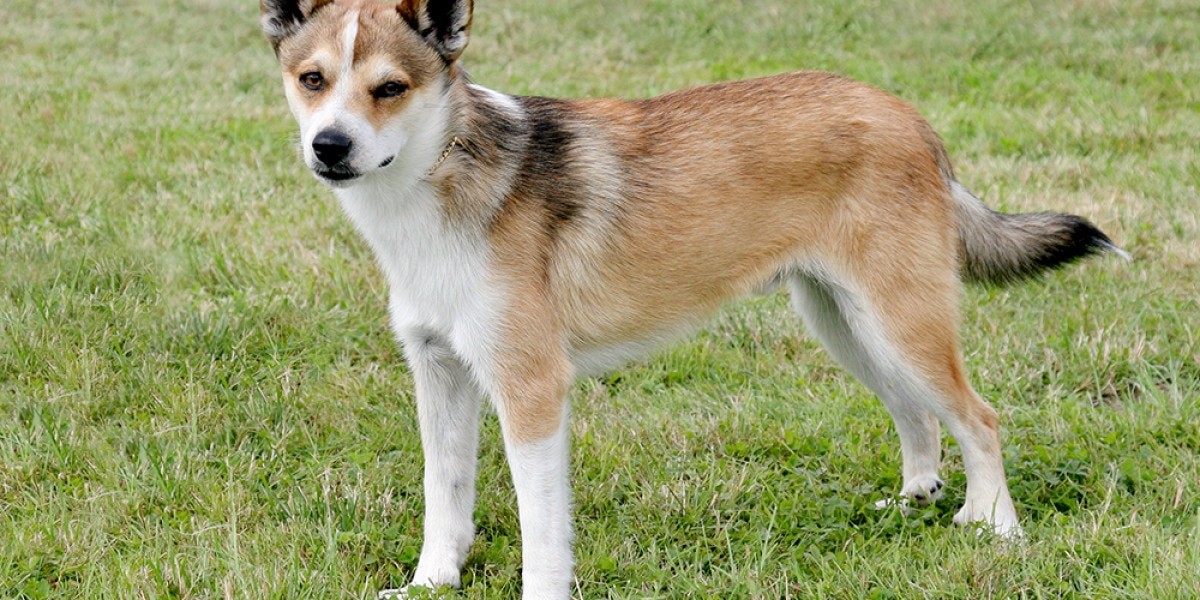
A small, Spitz-type dog with extraordinary anatomical features: six fully functioning toes on each foot, extreme neck flexibility (can touch their back), and ears that fold shut. Alert, rectangular body.
Temperament
Loyal, alert, and independent. Lundehunds are curious dogs with a primitive, independent nature. They can be reserved but form strong bonds with their families.
Personality Around Others
Loyal to family. Can be reserved with strangers. Independent nature. Good with other dogs. Shy but devoted.
Exercise Needs
Moderate exercise needs. Daily walks. Enjoy outdoor activities. Not demanding but active.
Training
Very challenging to train. Extremely independent. Housetraining is notoriously difficult. Patient, creative training.
Grooming
Easy coat care. Weekly brushing. Seasonal shedding. Regular nail and ear care.
Health
Common Health Conditions
Lundehund Syndrome is a significant breed-specific gastrointestinal condition. Careful dietary management essential.
Recommended Health Tests
- GI Health Monitoring
- Regular Protein Screening
Average Annual Vet Cost
$800-$1,600
Nutrition
Requires careful feeding due to GI sensitivity. Quality, easily digestible food. Multiple small meals.
Living Environment
Can adapt to apartments. Need exercise. Indoor dogs. Special dietary considerations.
Ideal Family
Experienced owners who understand primitive breeds. Those who can manage dietary needs.
Intelligence
Independent thinkers. They solve problems but on their own terms. Primitive intelligence.
Barking
Frequency
Alert
Separation
Quiet Indoors
Moderate barkers. Alert sounds and yodeling vocalizations. Not excessive.
Shedding
Year-Round
Seasonal
Vacuum Factor 🧹
Hypoallergenic
Moderate to heavy seasonal shedding. Short coat is easy to brush.
Weather Tolerance
☀️
Heat
❄️
Cold
🌧️
Rain
🌨️
Snow
💧
Humidity
Breed Ratings
Fun Facts
Have six fully functioning toes on each foot—unique among dog breeds
Can bend their neck backward to touch their spine
Their ears can fold completely shut to protect against dirt and water
Were bred to hunt puffins on steep Norwegian coastal cliffs
Nearly went extinct twice—once in the 1940s from canine distemper
Famous Dogs
Eleanor
One of the few surviving Lundehunds after the 1940s distemper outbreak that nearly destroyed the breed
Common Myths
"Their extra toes are a defect"
Six toes are a breed standard and gave them superior grip on slippery cliffs during puffin hunting
"They're like other small dogs"
Lundehunds are anatomically unique with features found in no other dog breed
Frequently Asked Questions
Why do they have six toes?
The extra toes provided superior grip on slippery, steep Norwegian coastal cliffs where they hunted puffins.
Are they hard to train?
Yes—they are one of the most challenging breeds to housetrain. Patience and management are essential.
Puppy Guide
Lundehund puppies are curious and independent. Housetraining requires extreme patience.
Senior Care
Senior Lundehunds need careful GI monitoring. Dietary management continues. Moderate exercise.
Ownership Costs
Estimated Lifetime Cost
$15,000-$22,000
Pros and Cons
Pros
Unique anatomy
Hardy and athletic
Loyal companion
Fascinating breed
Good with other dogs
Cons
Very hard to housetrain
GI health issues
Very rare
Independent
Needs dietary management