
Norwegian Elkhound
Also known as: Norsk Elghund Grå, Gray Norwegian Elkhound
Energy Level
Apartment Friendly
Weight (Male)
55 lbs
Height (Male)
20.5 inches
Quick Facts
Coat Colors
Breed Summary
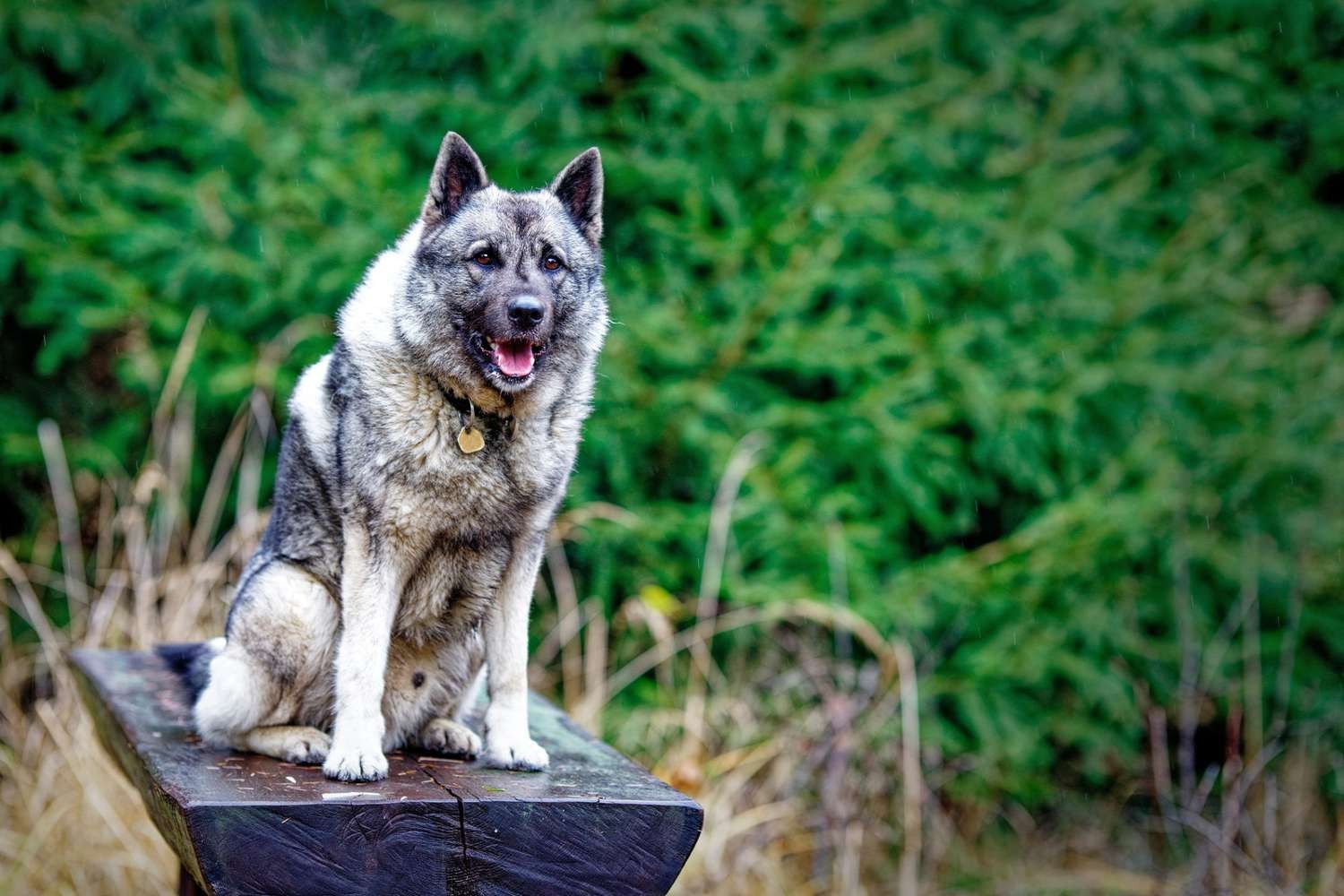
The Norwegian Elkhound is a bold, hardy Nordic breed that has served as a hunter, guardian, and companion for thousands of years. These silver-gray spitz-type dogs are loyal, confident, and wonderfully adaptable family companions.
History
One of the oldest breeds in Europe, Norwegian Elkhounds have been found in Viking burial sites dating to 5000 BC. They were bred to track and hold moose (elk) at bay. AKC recognized in 1913.
Appearance
A sturdy, squarely built dog with a thick silver-gray coat, tightly curled tail, and erect ears. Their dense double coat and compact build are perfectly adapted for harsh Scandinavian conditions.
Temperament
Bold, confident, and loyal, the Norwegian Elkhound is a dependable companion with a strong protective instinct. They are playful and affectionate with family but can be reserved with strangers. Their independent nature reflects their heritage.
Personality Around Others
Loyal and devoted to family. Can be reserved with strangers and protective of their territory. Generally good with other dogs but can be dominant. Excellent with children they are raised with.
Exercise Needs
High exercise needs—at least an hour of vigorous daily activity. They enjoy hiking, running, and outdoor adventures. They excel in cold-weather activities. Mental stimulation is equally important.
Training
Intelligent but can be independent and stubborn. Positive reinforcement with firm, consistent leadership works best. They respond well to purpose-driven training. Early socialization is important.
Grooming
Heavy shedding requires regular brushing—daily during shedding seasons. Their thick double coat needs attention but should never be shaved. Regular nail, ear, and dental care.
Health
Common Health Conditions
Generally hardy and healthy. Hip and eye screenings are recommended. Fanconi Syndrome can occur in some lines. Their robust constitution supports a good lifespan.
Recommended Health Tests
- Hip Evaluation
- Ophthalmologist Evaluation
- DNA Test for PRA
Average Annual Vet Cost
$800-$1,500
Nutrition
Active dogs needing quality food. Watch for weight gain as they love food. Two measured meals daily. Adjust portions based on activity level and climate (they burn more calories in cold weather).
Living Environment
Adaptable to various settings but thrive in cooler climates. Need a yard and regular exercise. Can overheat in hot, humid climates. Not ideal for very warm regions.
Ideal Family
Great for active families who enjoy outdoor activities, especially in cool climates. Good with children. Best for experienced owners who can provide firm, consistent leadership.
Intelligence
Very intelligent with strong independent thinking. They are problem-solvers and quick learners. Their hunting heritage means they can make decisions independently in the field.
Barking
Frequency
Alert
Separation
Quiet Indoors
Known for being vocal—they bark to alert and communicate. They are excellent watchdogs. Training can help manage excessive barking but some vocalization is inherent.
Shedding
Year-Round
Seasonal
Vacuum Factor 🧹
Hypoallergenic
Heavy shedders, especially during seasonal coat blows twice a year. Daily brushing during shedding season is essential. Their thick undercoat produces significant loose fur.
Weather Tolerance
☀️
Heat
❄️
Cold
🌧️
Rain
🌨️
Snow
💧
Humidity
Breed Ratings
Fun Facts
Norwegian Elkhounds have been found in Viking burial sites dating to 5000 BC
They are the national dog of Norway
Despite the name, they hunt moose, not elk—"elg" means moose in Norwegian
They can detect game from over a mile away
Famous Dogs
Viking Elkhounds
Archaeological evidence shows Elkhounds were buried alongside Viking warriors as honored companions
Common Myths
"They only do well in cold climates"
While they prefer cold weather, they can adapt to moderate climates with proper care and cooling
"They are aggressive guard dogs"
While protective, they are not aggressive. They alert with barking rather than attacking
Frequently Asked Questions
Do Norwegian Elkhounds shed a lot?
Yes, they are heavy shedders, especially during biannual coat blows. Daily brushing during these times is essential.
Can they live in warm climates?
They can adapt to moderate warmth but struggle in very hot, humid climates. Air conditioning and cool resting areas are essential.
Puppy Guide
Puppies are energetic and independent. Early socialization and training are important. They mature slowly. Provide plenty of play and exploration opportunities.
Senior Care
Senior Elkhounds may develop joint or eye issues. Continue moderate daily exercise. Watch for weight gain. Provide comfortable bedding. Their hardy constitution often supports a long, active senior life.
Ownership Costs
Estimated Lifetime Cost
$15,000-$22,000
Pros and Cons
Pros
Loyal and protective
Hardy and healthy
Excellent cold-weather companion
Good with children
Cons
Heavy shedding
Can be vocal
Not suited for hot climates
Can be stubborn