
Lhasa Apso
Also known as: Lhasa, Apso Seng Kye
Energy Level
Apartment Friendly
Weight (Male)
12-18 lbs
Height (Male)
10-11 inches
Quick Facts
Coat Colors
Breed Summary
The Lhasa Apso is a regal Tibetan sentinel breed that guarded monasteries for over a thousand years. Despite their small size and beautiful coat, they are hardy, independent dogs with a keen sense of awareness.
History
An ancient breed from Tibet, used as indoor sentinels in monasteries and homes of Tibetan nobility. Their keen hearing made them excellent watchdogs. Believed to bring good luck. Dalai Lama gifted pairs to foreign dignitaries. AKC recognized in 1935.
Appearance
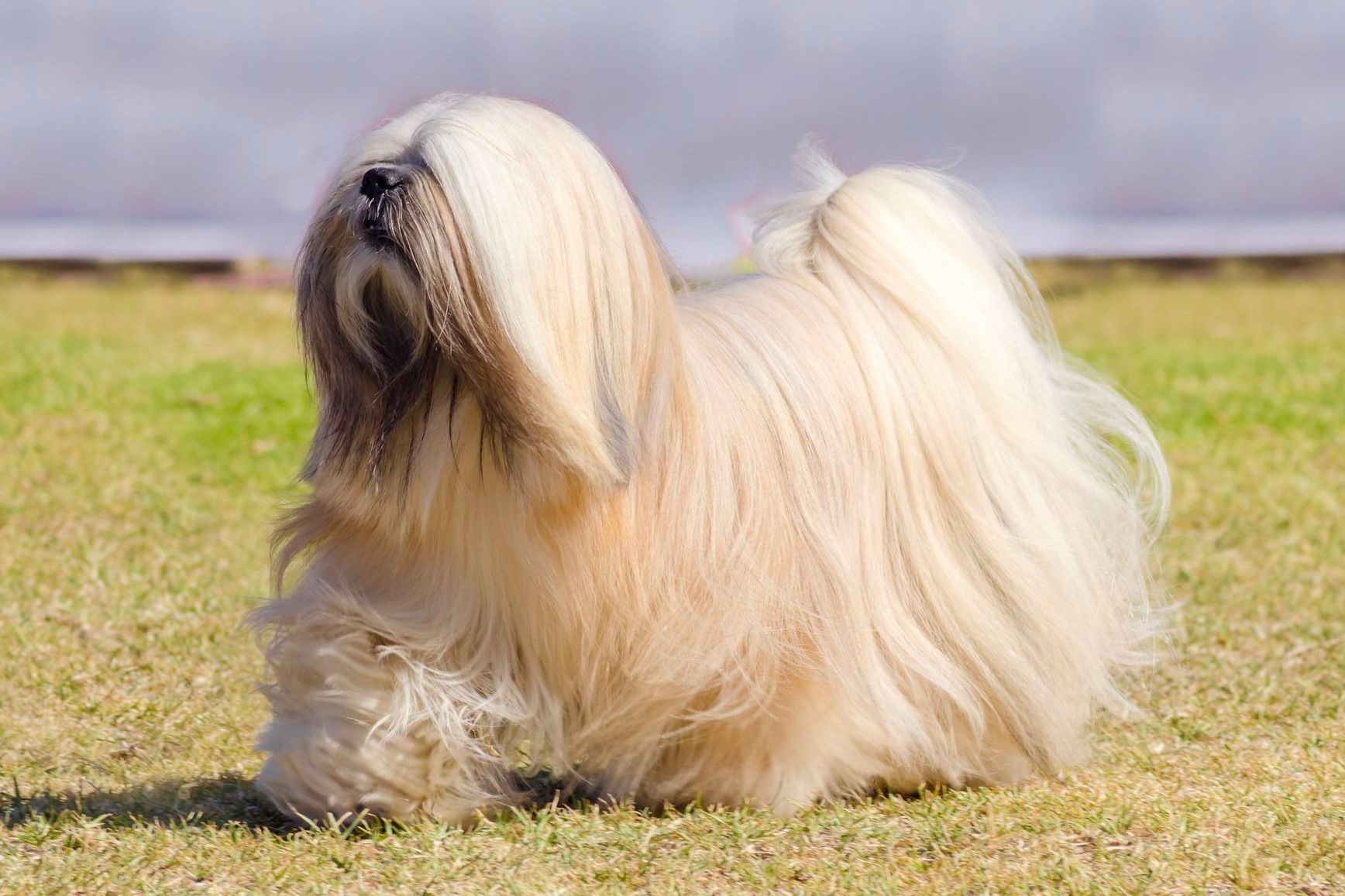
A small, sturdy dog with a long, heavy double coat that flows to the ground. Dark, deep-set eyes partially covered by a fall of hair. Dense coat, strong jaw, and a compact body.
Temperament
Independent, confident, and watchful. Lhasa Apsos are intelligent dogs with a strong sense of self. They are devoted to family but suspicious of strangers—true sentinel dogs.
Personality Around Others
Devoted to family. Suspicious of strangers. Can be domineering. Independent. Alert watchdog.
Exercise Needs
Low to moderate exercise. Daily walks. Content with indoor activity. Not hyperactive.
Training
Intelligent but stubborn. Early socialization essential. Positive reinforcement. Patient training.
Grooming
High-maintenance coat. Daily brushing or keep in puppy clip. Professional grooming regularly.
Health
Common Health Conditions
Kidney issues are a significant concern. Eye problems are also common. Regular health screening important.
Recommended Health Tests
- Renal Function Test
- Ophthalmologist Evaluation
- Patellar Evaluation
Average Annual Vet Cost
$700-$1,400
Nutrition
Quality food. Two meals daily. Monitor kidney health with proper diet. Adequate water intake.
Living Environment
Excellent apartment dogs. Small, adaptable, moderate exercise. Good indoor watchdogs.
Ideal Family
Experienced owners who respect independent personality. Not for first-time owners. Those who enjoy grooming.
Intelligence
Clever and independent thinkers. They understand but choose when to obey. Strategic and perceptive.
Barking
Frequency
Alert
Separation
Quiet Indoors
Alert barkers—their heritage as monastery sentinels means they take watchdog duties seriously.
Shedding
Year-Round
Seasonal
Vacuum Factor 🧹
Hypoallergenic
Low shedding with regular grooming. Long coat traps loose hair. Daily brushing essential.
Weather Tolerance
☀️
Heat
❄️
Cold
🌧️
Rain
🌨️
Snow
💧
Humidity
Breed Ratings
Fun Facts
Guarded Tibetan monasteries for over 1,000 years
The Dalai Lama gave Lhasa Apsos as gifts to visiting dignitaries
Their keen hearing made them prized sentinel dogs
Believed to bring good luck in Tibetan culture
Their name means long-haired dog from Lhasa, the Tibetan capital
Famous Dogs
Dalai Lama's Lhasas
The Dalai Lama gifted pairs of Lhasa Apsos to honored guests, spreading the breed worldwide
Common Myths
"They're just small fluffy lap dogs"
Lhasas are ancient sentinel dogs with strong guarding instincts—they take security seriously
"Their coat is just for show"
The heavy double coat protected them from harsh Tibetan mountain weather
Frequently Asked Questions
Are they good watchdogs?
Excellent—their keen hearing and natural suspicion of strangers makes them outstanding alert dogs.
Can their coat be kept short?
Yes—many owners keep them in a puppy clip for easier maintenance while preserving their charm.
Puppy Guide
Lhasa puppies need early socialization. Start grooming from puppyhood. Establish leadership.
Senior Care
Senior Lhasas remain alert and independent. Monitor kidney function. Continue grooming.
Ownership Costs
Estimated Lifetime Cost
$14,000-$22,000
Pros and Cons
Pros
Excellent watchdog
Loyal companion
Good apartment dog
Long lifespan
Low exercise needs
Cons
High grooming needs
Stubborn
Reserved with strangers
Not ideal with small children
Can be domineering