
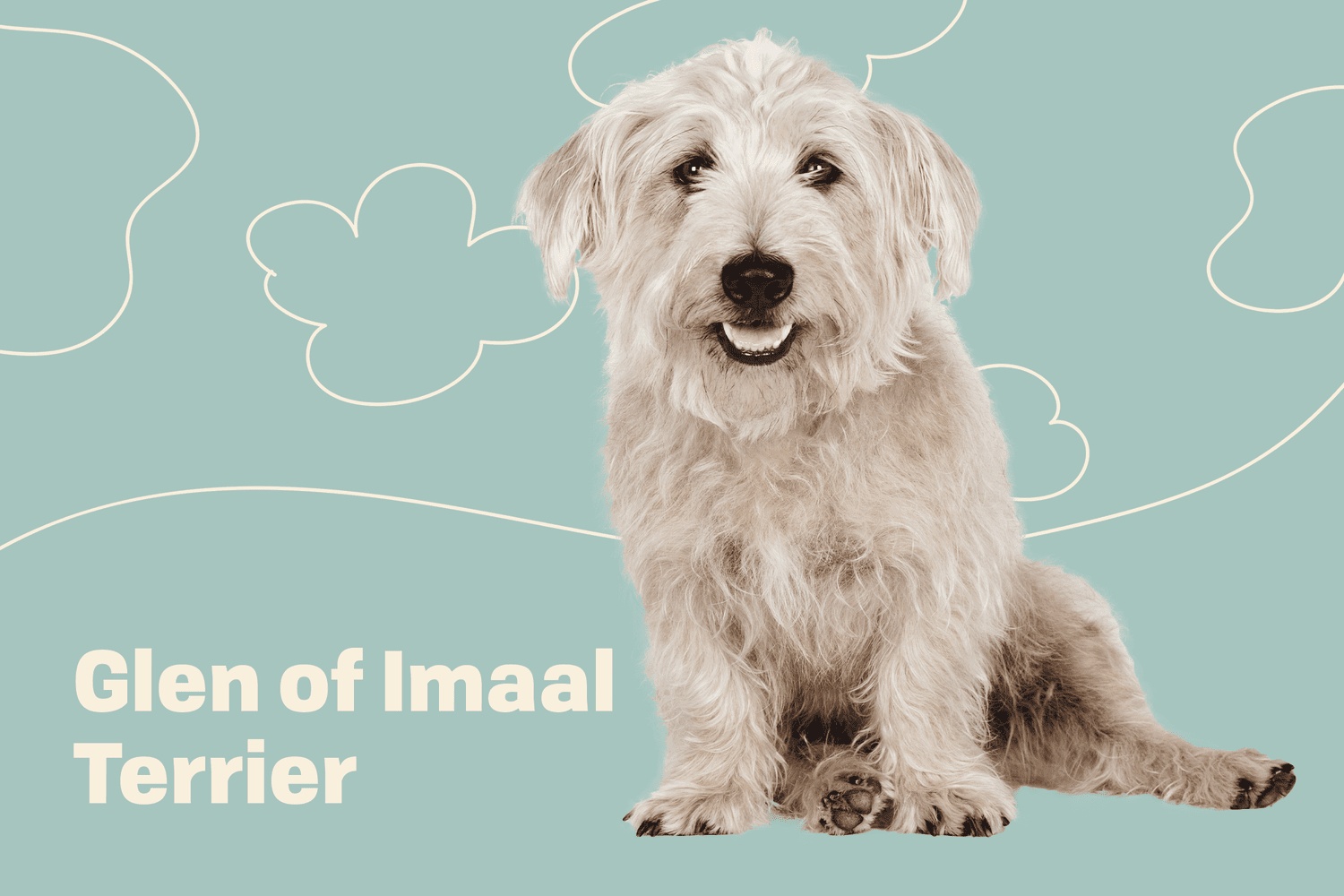
Glen of Imaal Terrier
Also known as: Glen, Wicklow Terrier
Energy Level
Apartment Friendly
Weight (Male)
32-40 lbs
Height (Male)
12.5-14 inches
Quick Facts
Coat Colors
Breed Summary
The Glen of Imaal Terrier is a rare Irish breed developed in the remote Glen of Imaal in County Wicklow. Tough, determined, and surprisingly powerful for their size, they are gentler and less excitable than most terriers.
History
One of four Irish terrier breeds, developed in the remote Glen of Imaal valley in County Wicklow. Used by local families for hunting badgers and foxes, and as turnspit dogs (turning cooking spits). Nearly extinct several times. AKC recognized in 2004.
Appearance
A low-slung, powerful terrier with bowed front legs (from their turnspit days). Medium-length, harsh coat. Rose or half-prick ears. Strong, compact body that is longer than tall. Surprisingly powerful for size.
Temperament
Gentle, brave, and spirited but less excitable than most terriers. Glen of Imaal Terriers are loyal, calm companions who retain their hunting instincts. They are surprisingly patient and good-natured.
Personality Around Others
Devoted to family. Good with older children. Can be aggressive with other dogs. Reserved with strangers. Less vocal than many terriers.
Exercise Needs
Moderate exercise needs. Daily walks and play. Not as hyper as most terriers. Enjoy outdoor activities but content to relax at home.
Training
Intelligent but can be stubborn. Positive reinforcement works best. Patient training approach needed. Early socialization important.
Grooming
Hand-stripping twice yearly. Regular brushing. Low-maintenance between grooming. The harsh coat repels dirt well.
Health
Common Health Conditions
PRA and CRD are significant breed concerns—DNA testing available. Generally healthy otherwise. Responsible breeders test.
Recommended Health Tests
- PRA/CRD DNA Test
- Hip Evaluation
- Ophthalmologist Evaluation
Average Annual Vet Cost
$700-$1,400
Nutrition
Quality food for medium active breeds. Two meals daily. Not prone to obesity with proper exercise. Moderate appetite.
Living Environment
Adaptable to apartments. Calm indoors. Need secure fencing in yards. Good indoor/outdoor dogs.
Ideal Family
Experienced terrier owners. Those wanting a calmer terrier. Families with older children. Those who appreciate a rare breed.
Intelligence
Intelligent and resourceful. They think before acting. Calm problem-solvers. Less reactive than many terriers.
Barking
Frequency
Alert
Separation
Quiet Indoors
One of the quieter terrier breeds. They don't bark unnecessarily. Calm and composed.
Shedding
Year-Round
Seasonal
Vacuum Factor 🧹
Hypoallergenic
Moderate shedding managed with regular grooming. Hand-stripping keeps coat in best condition.
Weather Tolerance
☀️
Heat
❄️
Cold
🌧️
Rain
🌨️
Snow
💧
Humidity
Breed Ratings
Fun Facts
Were used as turnspit dogs—walking on wheels to turn meat over fires
One of four native Irish terrier breeds
Nearly went extinct several times
Their bowed front legs are a remnant of turnspit work
One of the rarest AKC-recognized terrier breeds
Famous Dogs
Early Glen Champions
The breed was preserved by a few dedicated families in County Wicklow who kept them working
Common Myths
"Their bowed legs are a defect"
Their unique leg structure is a breed characteristic from centuries of turnspit work
"They're aggressive because they're terriers"
Glens are actually one of the calmer, less excitable terrier breeds
Frequently Asked Questions
Are they good family dogs?
Yes—they're calmer than most terriers and good with older children who respect their space.
How rare are they?
Very rare—only a few hundred are registered in the US each year. Finding a breeder may take time.
Puppy Guide
Glen puppies are calmer than most terrier pups. Socialize early. Start grooming routine. They mature slowly.
Senior Care
Senior Glens are calm and devoted. Watch for eye issues (PRA). Moderate exercise. Comfortable and easy seniors.
Ownership Costs
Estimated Lifetime Cost
$13,000-$20,000
Pros and Cons
Pros
Calm for a terrier
Quiet and composed
Loyal companion
Low exercise needs
Low grooming needs
Cons
Very rare breed
Can be dog-aggressive
Stubborn streak
Slow to mature
Reserved with strangers