
Dogo Argentino
Also known as: Argentine Dogo, Argentine Mastiff
Energy Level
Apartment Friendly
Weight (Male)
80-100 lbs
Height (Male)
24-26.5 inches
Quick Facts
Coat Colors
Breed Summary
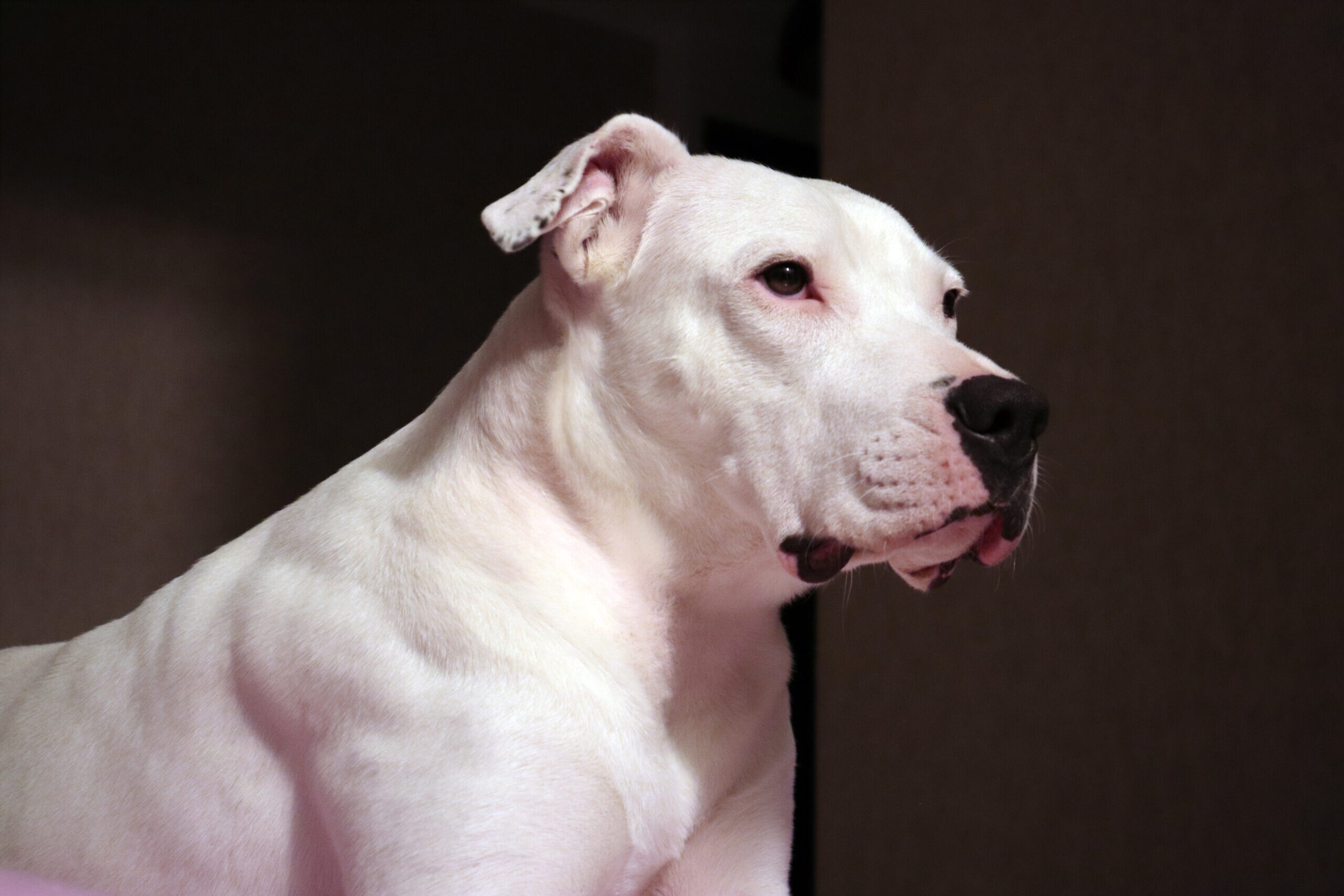
The Dogo Argentino is a powerful, athletic hunting dog developed in Argentina for big-game hunting. All-white and muscular, they combine strength and agility with a loyal, affectionate temperament toward their families.
History
Developed in the 1920s by Dr. Antonio Nores Martinez in Argentina by crossing the extinct Cordoba Fighting Dog with various breeds including Great Danes, Boxers, and Bull Terriers. Bred for hunting wild boar and puma. AKC recognized in 2020.
Appearance
A large, all-white, muscular dog with a powerful build. Broad head, strong jaws, and a smooth, short coat. Their athletic build conveys power and agility. May have one small dark patch on the head.
Temperament
Loyal, courageous, and affectionate with family, the Dogo Argentino is a confident, powerful dog. They are devoted protectors with a strong prey drive. Properly socialized, they are gentle with family members.
Personality Around Others
Deeply devoted to family. Protective and can be aggressive toward strange dogs. Needs extensive socialization. Good with family children when raised together. Reserved with strangers.
Exercise Needs
High exercise needs—athletic dogs that need vigorous daily activity. Running, hiking, and structured exercise. Mental stimulation through training and activities.
Training
Needs early, consistent training from a confident handler. They are intelligent and capable but need firm leadership. Positive reinforcement with clear boundaries.
Grooming
Very easy coat care—weekly brushing, occasional baths. Their white coat is prone to sunburn. Regular nail, ear, and dental care.
Health
Common Health Conditions
Deafness is a significant concern in the breed—about 10% are born deaf in one or both ears. BAER testing is essential. Otherwise generally healthy.
Recommended Health Tests
- Hip Evaluation
- BAER Test
- Cardiac Exam
Average Annual Vet Cost
$1,000-$1,800
Nutrition
Active dogs needing quality, protein-rich food. Two meals daily. Monitor weight. Their white skin is sensitive to sun exposure.
Living Environment
Need a house with a securely fenced yard. Not suited for apartments. Strong fencing is essential. Check local breed restrictions before getting one.
Ideal Family
Only for experienced dog owners. Not for first-time owners. Active families who can provide training, socialization, and exercise. Check breed restrictions in your area.
Intelligence
Highly intelligent and capable of complex tasks. They were bred to hunt in packs with coordination. Quick learners when properly motivated.
Barking
Frequency
Alert
Separation
Quiet Indoors
Generally quiet dogs that bark when alerting. Not excessive barkers. Their presence is usually sufficient deterrent.
Shedding
Year-Round
Seasonal
Vacuum Factor 🧹
Hypoallergenic
Low to moderate shedding. Their short white coat is easy to maintain.
Weather Tolerance
☀️
Heat
❄️
Cold
🌧️
Rain
🌨️
Snow
💧
Humidity
Breed Ratings
Fun Facts
Dogo Argentinos were bred to hunt wild boar and puma in packs
About 10% of Dogos are born deaf
They are the only internationally recognized breed from Argentina
Their all-white coat was selected so hunters could distinguish them from prey
Famous Dogs
Dr. Martinez's Dogos
The original dogs bred by Dr. Antonio Nores Martinez who created the breed in the 1920s
Common Myths
"They are fighting dogs"
They were bred for big-game hunting, not fighting. Dr. Martinez specifically bred away from fighting traits
"They are inherently aggressive"
Well-bred, properly socialized Dogos are loyal, stable family dogs
Frequently Asked Questions
Are Dogo Argentinos banned?
They are restricted or banned in some countries and cities. Always check local regulations before getting one.
Are they good with children?
Good with family children when raised together. Their size requires supervision with small children.
Puppy Guide
Puppies need extensive early socialization. BAER test for deafness. Start training early. Establish clear boundaries. Expose to many people and animals.
Senior Care
Senior Dogos may develop joint issues. Continue moderate exercise. Protect their white skin from sun exposure. Monitor for hearing changes.
Ownership Costs
Estimated Lifetime Cost
$17,000-$26,000
Pros and Cons
Pros
Loyal and devoted
Powerful and athletic
Low grooming needs
Intelligent and capable
Cons
Breed restrictions in many areas
Can be dog-aggressive
Needs experienced owner
Prone to deafness