
Chesapeake Bay Retriever
Also known as: Chessie, CBR, Chesapeake
Energy Level
Apartment Friendly
Weight (Male)
65–80 lbs
Height (Male)
23–26 inches
Quick Facts
Coat Colors
Breed Summary
The Chesapeake Bay Retriever is a powerful, determined water dog bred to retrieve waterfowl in the harsh, icy conditions of Chesapeake Bay. Known for their toughness, loyalty, and distinctive oily coat, they are the most rugged of the retriever breeds.
History
The breed's origin story involves two Newfoundland puppies rescued from a shipwreck off Maryland's coast in 1807. These dogs were crossed with local retrievers, eventually producing the tough, cold-water retriever we know today. They are Maryland's state dog.
Appearance
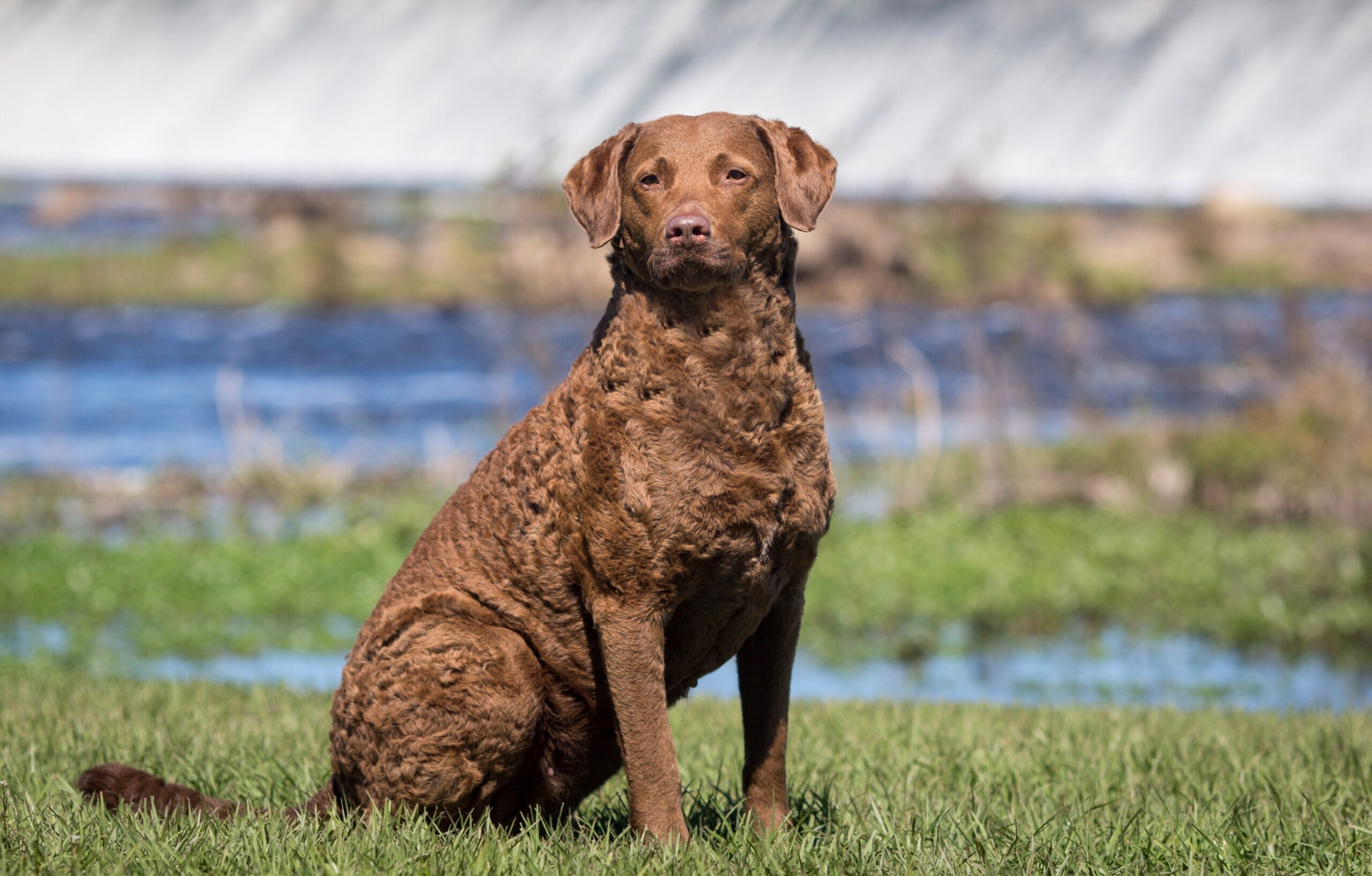
Powerful and muscular with a broad head and intelligent amber or yellowish eyes. Their distinctive coat is thick, oily, and slightly wavy, providing insulation in icy water. The coat's texture feels slightly greasy to the touch.
Temperament
Intensely loyal, protective, and determined. Chessies are more serious and independent than other retrievers. They have a strong work ethic and can be territorial.
Personality Around Others
Reserved with strangers and can be protective of their family. May be dominant with other dogs. Best with older children who respect their space. Early socialization is important.
Exercise Needs
High exercise needs requiring at least 1–1.5 hours of vigorous activity daily. They especially love swimming and retrieving. Cold weather and water don't bother them.
Training
Intelligent but independent and strong-willed. They need firm, consistent, experienced handling. They may test boundaries. Positive reinforcement with clear expectations works best.
Grooming
Minimal grooming needed. Their oily coat is naturally water-resistant and should not be over-bathed. Weekly brushing. Avoid stripping the coat's natural oils.
Health
Common Health Conditions
Generally healthy but prone to some hereditary conditions. EIC and degenerative myelopathy can be tested for via DNA. Bloat awareness is important.
Recommended Health Tests
- Hip Evaluation
- Ophthalmologist Evaluation
- EIC DNA Test
- PRA/PRCD DNA Test
Average Annual Vet Cost
$400–$900
Nutrition
Feed a high-quality food for large, active breeds. About 2–2.5 cups daily divided into two meals. Use slow-feeder bowls to reduce bloat risk.
Living Environment
Need a house with a yard, ideally near water. Not suited for apartments. They thrive in homes where they can swim and work. Secure fencing is recommended.
Ideal Family
Best for experienced dog owners who enjoy outdoor water activities. Excellent for duck hunters. Suited for families with older children who understand the breed's nature.
Intelligence
Highly intelligent with strong problem-solving abilities. They were bred to work independently in challenging conditions, giving them a resourceful, determined mind.
Barking
Frequency
Alert
Separation
Quiet Indoors
Moderate barkers with good watchdog instincts. They bark with purpose and are not excessive. Alert to unusual activity.
Shedding
Year-Round
Seasonal
Vacuum Factor 🧹
Hypoallergenic
Moderate shedding year-round with heavier seasonal blowing. Their oily coat is somewhat self-cleaning but does shed.
Weather Tolerance
☀️
Heat
❄️
Cold
🌧️
Rain
🌨️
Snow
💧
Humidity
Breed Ratings
Fun Facts
Chesapeake Bay Retrievers can break through ice to retrieve waterfowl.
Their coat produces natural oils that make them nearly waterproof.
The breed originated from two puppies rescued from an English shipwreck in 1807.
They are Maryland's official state dog.
A Chessie's coat should feel slightly oily — this is normal and desirable.
Famous Dogs
Sailor & Canton
The two shipwrecked Newfoundland-type puppies that founded the breed in 1807
Chessie
The famous C&O Railway mascot that appeared on calendars and ads
Common Myths
"Chessies are aggressive."
They are protective and reserved, not aggressive. Well-socialized Chessies are loyal, devoted family dogs. Their seriousness is often mistaken for aggression.
"They're just like other retrievers."
Chessies are significantly more independent, protective, and strong-willed than Labs or Goldens. They require experienced handling.
Frequently Asked Questions
Why does my Chessie's coat feel oily?
This is completely normal. Their coat produces natural oils that provide waterproofing and insulation for cold-water retrieves. Don't over-bathe or you'll strip these protective oils.
Are Chessies good family dogs?
Yes, for experienced owners. They are deeply loyal but need proper socialization and training. They do best with older, respectful children.
Adoption Tips
Chessies in rescue often come from homes that couldn't handle their strong personality. Be honest about your experience level. Breed-specific rescues evaluate temperament carefully.
Puppy Guide
Chessie puppies need early socialization and firm, consistent training. Introduce water early. Establish clear boundaries. They mature slowly and may test limits.
Senior Care
Senior Chessies may develop joint issues and vision problems. Maintain moderate exercise. Keep them warm and comfortable. Monitor for degenerative myelopathy symptoms.
Similar Breeds
Labrador Retriever
More sociable retriever with an easier temperament but less cold-water endurance
Golden Retriever
Friendlier, more easygoing retriever without the Chessie's protective nature
German Shorthaired Pointer
Similar energy and hunting drive but with pointing rather than retrieving instincts
Ownership Costs
Estimated Lifetime Cost
$16,000–$25,000
Pros and Cons
Pros
Exceptional cold-water retriever
Deeply loyal and protective
Tough and resilient
Low grooming maintenance
Excellent watchdog
Cons
Not suitable for novice owners
Can be dominant and territorial
Reserved with strangers
Strong-willed and independent
May not get along with other dogs