
Border Terrier
Also known as: Coquetdale Terrier, Redesdale Terrier
Energy Level
Apartment Friendly
Weight (Male)
13-15.5 lbs
Height (Male)
12-15 inches
Quick Facts
Coat Colors
Breed Summary
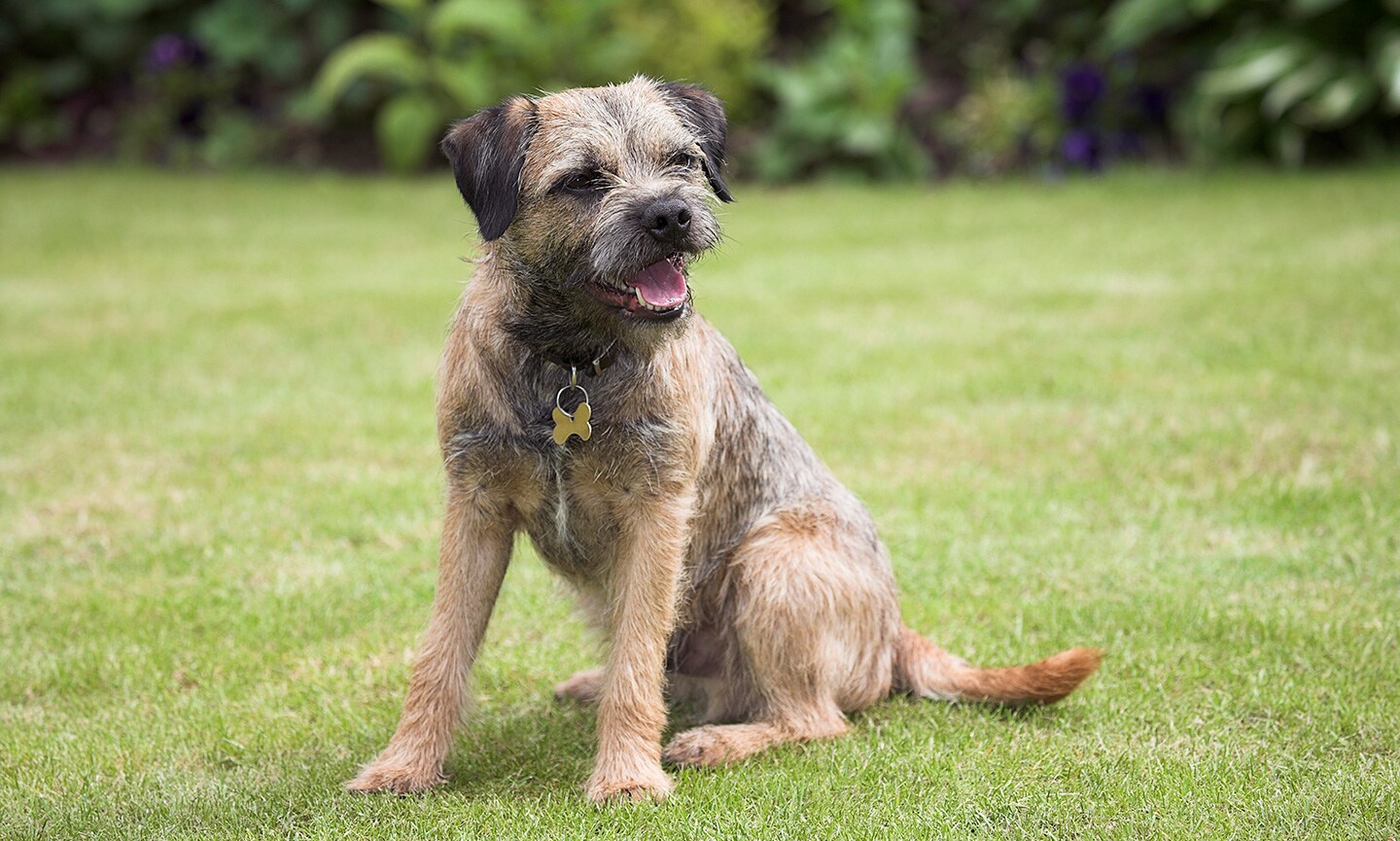
The Border Terrier is a good-tempered, affectionate working terrier from the Scottish-English border. Small but tough, they were bred to run with foxhounds and bolt foxes from their dens.
History
One of the oldest terrier breeds from the border region between England and Scotland. Developed to be small enough to follow foxes underground but with legs long enough to keep up with horses. AKC recognized in 1930.
Appearance
A small, sturdy terrier with a distinctive otter-shaped head. Wiry, weather-resistant coat. Dark, keen eyes with an alert expression. Moderate build with longer legs than many small terriers.
Temperament
Good-tempered, affectionate, and obedient. Border Terriers are one of the friendliest terrier breeds. They love people and get along well with children and other dogs when properly socialized.
Personality Around Others
Very friendly with everyone. Excellent with children. Usually good with other dogs. Strong prey drive toward small animals. Sociable and outgoing.
Exercise Needs
Moderate to high exercise needs. Active dogs that enjoy walks, hikes, and play. Love to dig and chase. Need daily outdoor activity.
Training
Eager to please and responsive to training. Less stubborn than many terriers. Positive reinforcement works best. Early socialization important.
Grooming
Wiry coat needs hand-stripping twice yearly. Weekly brushing. Low-maintenance between grooming sessions. Don't clip the coat—it ruins the texture.
Health
Common Health Conditions
Generally healthy breed. Heart defects and seizures are the main concerns. CECS is a breed-specific condition being studied.
Recommended Health Tests
- Hip Evaluation
- Cardiac Exam
- Patellar Evaluation
Average Annual Vet Cost
$600-$1,200
Nutrition
Quality food for active small breeds. Two meals daily. Not prone to weight gain if exercised regularly. Moderate appetite.
Living Environment
Can live in apartments with enough exercise. Love having a yard—secure fencing essential as they can escape. Indoor/outdoor dogs.
Ideal Family
Active families wanting a friendly, low-maintenance terrier. Great with children. First-time owners. Hikers and outdoor enthusiasts.
Intelligence
Smart and quick to learn. Problem-solvers who figure out gates and barriers. Thrive with mental challenges. Good at agility.
Barking
Frequency
Alert
Separation
Quiet Indoors
Moderate barkers. Alert to visitors but generally not excessive. Can bark when left alone.
Shedding
Year-Round
Seasonal
Vacuum Factor 🧹
Hypoallergenic
Low shedding with regular hand-stripping. The wiry coat repels dirt and is relatively low-maintenance.
Weather Tolerance
☀️
Heat
❄️
Cold
🌧️
Rain
🌨️
Snow
💧
Humidity
Breed Ratings
Fun Facts
Their otter-shaped head is a distinctive breed feature
Small enough to bolt foxes but with legs long enough to keep up with horses
One of the friendliest and most good-natured terrier breeds
Popular therapy dogs due to their gentle temperament
They love to dig—it's in their DNA from bolting foxes
Famous Dogs
Donavon
Famous Border Terrier who won multiple Best in Show awards and popularized the breed
Common Myths
"They're just small generic terriers"
They are a distinct, ancient breed with specific traits developed for border country fox hunting
"Small dogs don't need exercise"
Border Terriers are active working dogs that need regular exercise and mental stimulation
Frequently Asked Questions
Are Border Terriers good family dogs?
Excellent—they're one of the friendliest terrier breeds, great with children and usually good with other dogs.
Do they shed?
Minimal shedding with regular hand-stripping. Their wiry coat is relatively low-maintenance.
Puppy Guide
Border Terrier puppies are active and curious. Socialize early. Start basic training. Puppy-proof against digging and escaping.
Senior Care
Senior Border Terriers stay active and friendly. Watch for heart issues and joint problems. Continue moderate daily exercise.
Ownership Costs
Estimated Lifetime Cost
$12,000-$18,000
Pros and Cons
Pros
Excellent family dog
Friendly temperament
Low-maintenance coat
Good with children
Adaptable living
Cons
Strong prey drive
Loves to dig
Can escape yards
Needs regular stripping
May chase small pets