
Black Russian Terrier
Also known as: BRT, Chornyi Terrier, Stalin's Dog
Energy Level
Apartment Friendly
Weight (Male)
110-130 lbs
Height (Male)
27-30 inches
Quick Facts
Coat Colors
Breed Summary
The Black Russian Terrier is a large, powerful working dog developed by the Soviet military. Despite the name, they are not a true terrier—they are a guardian breed combining strength, intelligence, and trainability. Confident and calm, they are devoted family protectors.
History
Created in the 1940s-50s at the Red Star Kennel in the Soviet Union by crossing Giant Schnauzers, Rottweilers, Airedale Terriers, and other breeds. Originally bred as military working dogs. AKC recognized in 2004.
Appearance
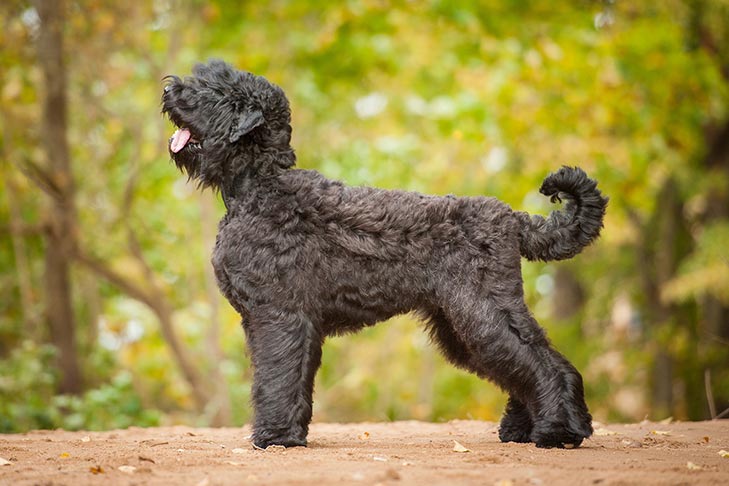
A large, imposing dog with a distinctive black, tousled coat. Strong, muscular build with a large head and powerful jaws. Their all-black appearance and confident bearing make them impressive.
Temperament
Confident, intelligent, and calm, the Black Russian Terrier is a steady, reliable guardian. They are deeply devoted to their families and suspicious of strangers. Their composure under pressure is remarkable.
Personality Around Others
Devoted to family. Reserved and watchful with strangers. Can be aggressive toward unfamiliar dogs. Gentle with family children but protective. They need thorough socialization.
Exercise Needs
Moderate exercise needs. Daily walks and play sessions. They enjoy structured activities and training. Mental stimulation is as important as physical exercise.
Training
Highly trainable—one of the most biddable guardian breeds. They are intelligent and eager to work with their handler. Positive reinforcement with consistent leadership produces excellent results.
Grooming
Significant grooming needs—their coarse coat requires regular brushing and periodic trimming. Professional grooming every 6-8 weeks. Their beard needs daily cleaning after meals.
Health
Common Health Conditions
Generally healthy but joint issues can be a concern due to their size. DNA testing for genetic conditions is available. Regular health screening is important.
Recommended Health Tests
- Hip Evaluation
- Elbow Evaluation
- Ophthalmologist Evaluation
- HUU DNA Test
Average Annual Vet Cost
$1,200-$2,000
Nutrition
Large breed needing quality food for their size. Two meals daily. Monitor growth in puppies for proper joint development. Avoid overfeeding.
Living Environment
Need a home with space. Can adapt to apartments if exercised. They are relatively calm indoors. Best with a yard for patrol. Not suited for very hot climates.
Ideal Family
Best for experienced owners who want a devoted protector. Families with older children. Those who can commit to grooming and training. Not for first-time owners.
Intelligence
Extremely intelligent—bred to be versatile military working dogs. They learn quickly, retain training, and can perform a wide range of tasks.
Barking
Frequency
Alert
Separation
Quiet Indoors
Not excessive barkers. They alert bark when needed but are generally quiet. Their deep voice is impressive and effective as a deterrent.
Shedding
Year-Round
Seasonal
Vacuum Factor 🧹
Hypoallergenic
Low to moderate shedding when properly groomed. Regular brushing prevents matting and manages loose hair.
Weather Tolerance
☀️
Heat
❄️
Cold
🌧️
Rain
🌨️
Snow
💧
Humidity
Breed Ratings
Fun Facts
The breed was created in the Soviet Union's Red Star Kennel
They are a mix of at least 17 different breeds
Despite the name, they are not true terriers
They were originally bred as military and police dogs for the Soviet army
Famous Dogs
Red Star Dogs
The original BRTs bred at the Soviet military's Red Star Kennel in Moscow
Common Myths
"They are terriers"
Despite the name, they are a working/guardian breed with no typical terrier traits
"They are aggressive"
They are protective and reserved with strangers but not inherently aggressive when properly socialized
Frequently Asked Questions
Are Black Russian Terriers good family dogs?
Yes, they are devoted family protectors. They need experienced owners who can provide training, socialization, and grooming.
How much grooming do they need?
Significant grooming—regular brushing, periodic professional trimming, and daily beard cleaning.
Puppy Guide
Large puppies that need early socialization—critical for preventing excessive suspicion of strangers. Start training early. Proper nutrition for slow, steady growth.
Senior Care
Senior BRTs may develop joint issues. Continue moderate exercise. Maintain grooming routine. Their calm temperament makes them comfortable senior companions.
Ownership Costs
Estimated Lifetime Cost
$20,000-$30,000
Pros and Cons
Pros
Intelligent and trainable
Devoted family protector
Calm and composed
Low shedding for size
Cons
Significant grooming needs
Reserved with strangers
Can be dog-aggressive
Expensive to maintain