
Belgian Sheepdog
Also known as: Groenendael, Chien de Berger Belge
Energy Level
Apartment Friendly
Weight (Male)
55-75 lbs
Height (Male)
24-26 inches
Quick Facts
Coat Colors
Breed Summary
The Belgian Sheepdog (Groenendael) is an elegant, intelligent herding breed with a stunning black coat. Versatile workers known for their devotion and trainability.
History
One of four Belgian herding breeds, developed in the late 1800s near Brussels. Named after the village of Groenendael. Used in WWI as messengers and Red Cross dogs. AKC recognized as a separate breed in 1912.
Appearance
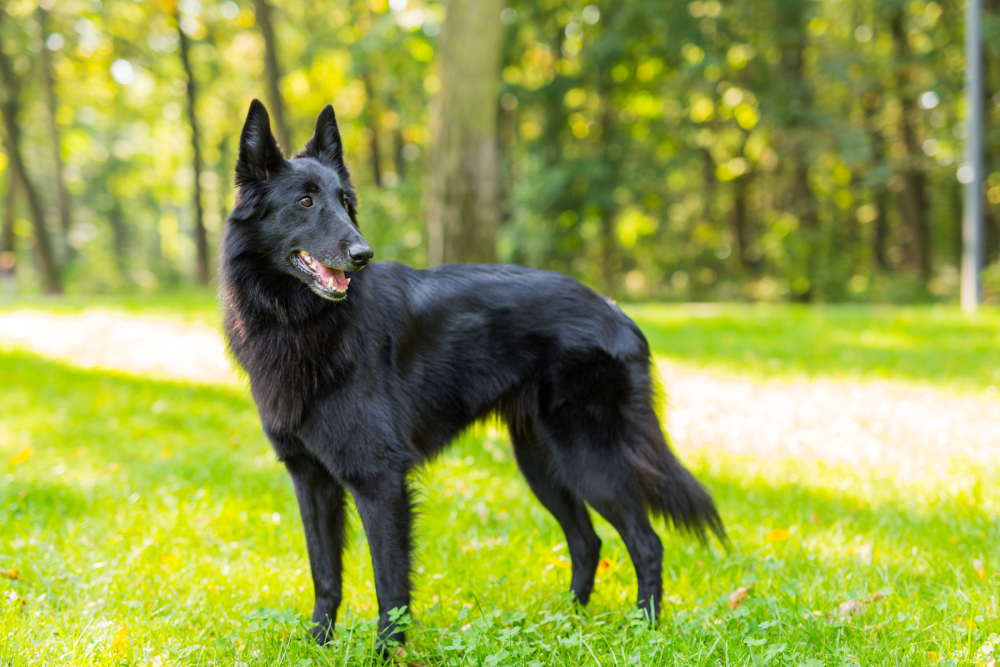
An elegant, well-proportioned dog with a long, abundant black coat. Triangular erect ears. Intelligent, alert expression. Proud carriage. Muscular but not heavy.
Temperament
Highly intelligent, devoted, and eager to please. Belgian Sheepdogs form intense bonds with their owners. Sensitive and responsive, they thrive on partnership and purpose.
Personality Around Others
Deeply devoted to family. Sensitive to owner's moods. Can be reserved with strangers. Good with family children.
Exercise Needs
High exercise needs. 1-2 hours daily minimum. Need mental challenges. Excel at dog sports.
Training
Extremely trainable. Eager to please. Sensitive to correction—use positive methods. Quick learners.
Grooming
Regular brushing 2-3 times weekly. More during shedding. Professional grooming occasionally.
Health
Common Health Conditions
Generally healthy. Epilepsy is a known concern. Regular health screening recommended.
Recommended Health Tests
- Hip Evaluation
- Elbow Evaluation
- Ophthalmologist Evaluation
- Thyroid Evaluation
Average Annual Vet Cost
$600-$1,200
Nutrition
High-quality food for active large breeds. Two meals daily. Adjust for activity level.
Living Environment
Need space and activity. Not ideal for apartments. Thrive with active owners. Need mental engagement.
Ideal Family
Active, experienced owners. Those who enjoy dog sports. Families with older children.
Intelligence
Extremely intelligent. Quick learners. Excel at obedience, agility, and herding. Need mental stimulation.
Barking
Frequency
Alert
Separation
Quiet Indoors
Moderate barkers. Alert to activity. Can be vocal if under-stimulated.
Shedding
Year-Round
Seasonal
Vacuum Factor 🧹
Hypoallergenic
Moderate year-round, heavy seasonal shedding. Regular brushing manages coat.
Weather Tolerance
☀️
Heat
❄️
Cold
🌧️
Rain
🌨️
Snow
💧
Humidity
Breed Ratings
Fun Facts
All four Belgian herding breeds are considered one breed in Belgium—they're separated by coat type
Served with distinction in WWI as messengers and ambulance dogs
Their solid black coat is unique among the Belgian shepherd varieties
They excel at nearly every dog sport and working task
Named after the Belgian village where the breed was developed
Famous Dogs
WWI Belgian Sheepdogs
Served as Red Cross dogs and messengers on the front lines during World War I
Common Myths
"They are the same as Belgian Malinois"
They are a separate variety with a long black coat, while Malinois have a short fawn coat
"They are too intense for families"
With proper exercise and socialization, they are devoted, gentle family dogs
Frequently Asked Questions
What is the difference between Belgian Sheepdog and Malinois?
Both are Belgian herding breeds. The Sheepdog (Groenendael) has a long black coat, while the Malinois has a short fawn coat. They differ in temperament too.
Are they good for first-time owners?
They can be challenging for novice owners due to their high energy and sensitivity. Best with experienced handlers.
Puppy Guide
Belgian Sheepdog puppies are sensitive and quick to learn. Early socialization essential. Positive training.
Senior Care
Senior Belgian Sheepdogs remain alert. Moderate exercise. Watch for joint issues. Mental engagement important.
Ownership Costs
Estimated Lifetime Cost
$17,000-$25,000
Pros and Cons
Pros
Extremely intelligent
Devoted to family
Elegant appearance
Highly trainable
Versatile worker
Cons
High exercise needs
Can be sensitive
Heavy seasonal shedding
Needs experienced owner
Reserved with strangers