
Australian Cattle Dog
Also known as: Blue Heeler, Red Heeler, Queensland Heeler, ACD
Energy Level
Apartment Friendly
Weight (Male)
35-50 lbs
Height (Male)
18-20 inches
Quick Facts
Coat Colors
Breed Summary
The Australian Cattle Dog is an incredibly tough, energetic herding breed developed to drive cattle across vast Australian outback. Known for their intelligence, endurance, and unwavering loyalty to their owner.
History
Developed in 19th-century Australia by crossing Dingoes with Collies, Dalmatians, and other breeds. Thomas Hall created the original Hall's Heelers. Bred to withstand extreme Australian conditions while moving stubborn cattle. AKC recognized in 1980.
Appearance
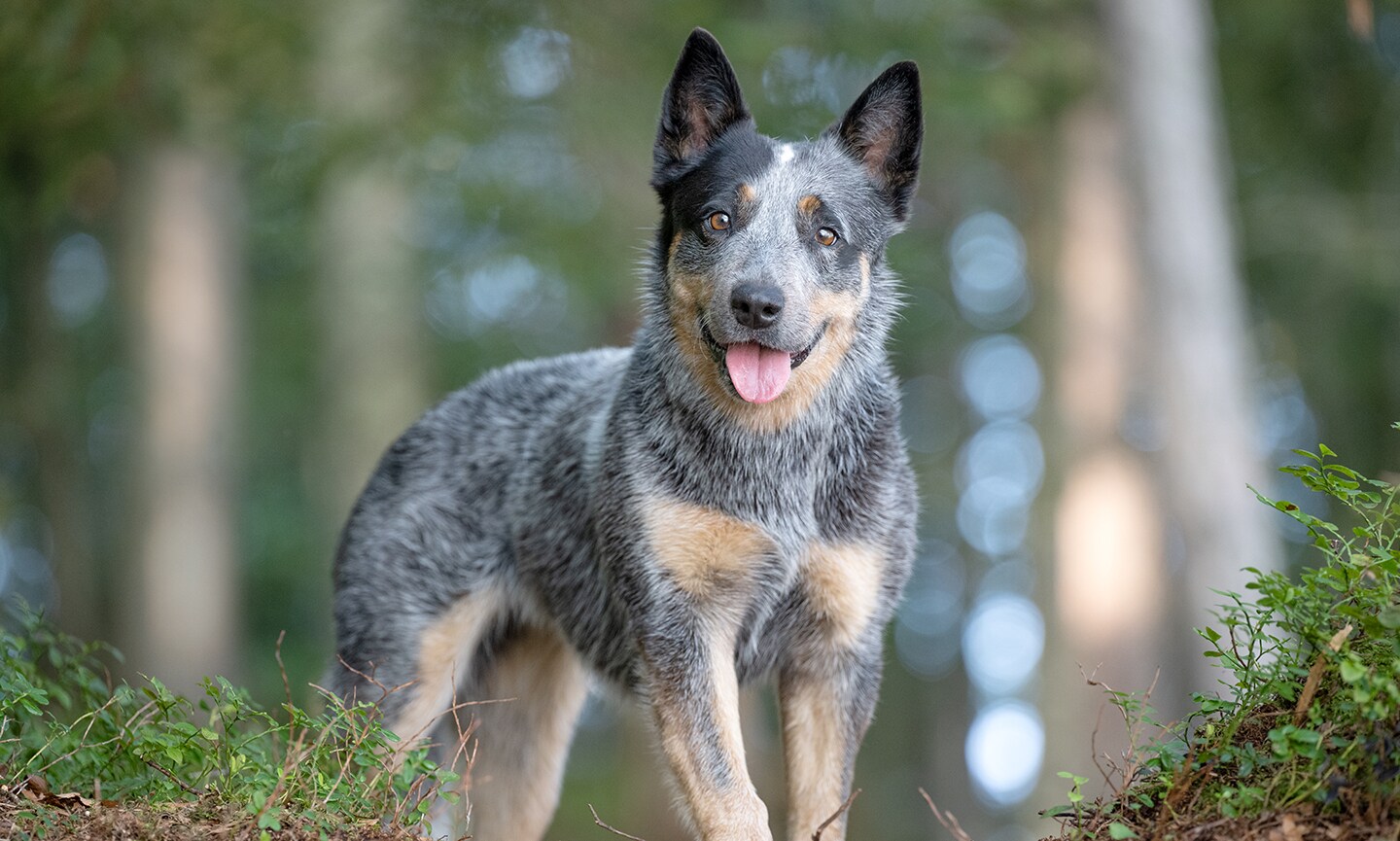
A compact, muscular, agile dog with a broad skull and pricked ears. Distinctive blue or red speckled/mottled coat. Alert, intelligent expression. Strong, well-proportioned body built for endurance.
Temperament
Extremely intelligent, loyal, and energetic. ACDs bond deeply with one person. They are independent thinkers, tireless workers, and need a job to be happy. Protective and wary of strangers.
Personality Around Others
Intensely loyal to their owner. Can be reserved with strangers. May nip heels (herding instinct). Good with older children. Can be dog-selective.
Exercise Needs
Very high exercise needs. Minimum 2 hours daily. Need mental and physical challenges. Excel at agility, flyball, herding trials.
Training
Highly intelligent but independent. Need firm, consistent training. Excel with experienced handlers. Can be stubborn if bored.
Grooming
Low maintenance coat. Weekly brushing. More during seasonal shedding. Occasional baths.
Health
Common Health Conditions
Generally very healthy and hardy breed. Deafness linked to blue coloring. One of the longest-lived breeds—Bluey lived to 29 years.
Recommended Health Tests
- BAER Testing
- Hip Evaluation
- PRA DNA Test
- Ophthalmologist Evaluation
Average Annual Vet Cost
$500-$1,000
Nutrition
High-protein, high-energy diet for active dogs. Two meals daily. Adjust for activity level.
Living Environment
Not apartment friendly. Need large yard or acreage. Thrive on farms and ranches. Need space to run.
Ideal Family
Experienced, active owners. Rural or suburban homes. Those wanting a devoted working partner.
Intelligence
One of the most intelligent breeds. Independent problem-solvers. Need mental challenges to prevent destructive behavior.
Barking
Frequency
Alert
Separation
Quiet Indoors
Moderate barkers. Alert to intruders. Can develop barking habits if bored.
Shedding
Year-Round
Seasonal
Vacuum Factor 🧹
Hypoallergenic
Moderate shedding year-round with heavy seasonal blows. Low-maintenance coat.
Weather Tolerance
☀️
Heat
❄️
Cold
🌧️
Rain
🌨️
Snow
💧
Humidity
Breed Ratings
Fun Facts
An ACD named Bluey holds the record for oldest dog ever—29 years and 5 months
Born white, their blue or red coat develops as they mature
They have Dingo blood in their ancestry
They're sometimes called Velcro dogs for their attachment to their owner
Can run up to 30 mph
Famous Dogs
Bluey
Holds the Guinness World Record for oldest dog ever at 29 years and 5 months
Common Myths
"They are aggressive"
They are protective and reserved, not aggressive. Proper socialization produces a loyal, well-mannered dog
"They can't live in cities"
With enough exercise and mental stimulation, they can adapt to urban living, though rural settings are preferred
Frequently Asked Questions
Why do they nip at heels?
It's their herding instinct. They were bred to drive cattle by nipping at heels. Training can redirect this behavior.
How much exercise do they need?
At least 2 hours daily of vigorous exercise plus mental stimulation. They are working dogs bred for endurance.
Puppy Guide
ACD puppies are born white and develop color. High energy from day one. Early socialization critical.
Senior Care
Senior ACDs remain active. Joint supplements helpful. Moderate exercise. Watch for deafness.
Ownership Costs
Estimated Lifetime Cost
$15,000-$22,000
Pros and Cons
Pros
Extremely loyal
Incredibly intelligent
Low grooming needs
Long lifespan
Great working dog
Cons
Very high exercise needs
Can be nippy
Not ideal for novice owners
Reserved with strangers
Needs a job