
Parson Russell Terrier
Also known as: Parson Jack Russell, PRT
Energy Level
Apartment Friendly
Weight (Male)
13-17 lbs
Height (Male)
14 inches
Quick Facts
Coat Colors
Breed Summary
The Parson Russell Terrier is a high-energy, intelligent breed developed by Reverend John Russell for fox hunting. Known for their boundless energy and clever minds, they are athletic, spirited companions.
History
Developed by Reverend John Russell in the 1800s in Devon, England, for fox hunting. He wanted a terrier that could keep up with horses and bolt foxes. Distinguished from the shorter-legged Jack Russell. AKC recognized in 1997 as Parson Russell Terrier.
Appearance
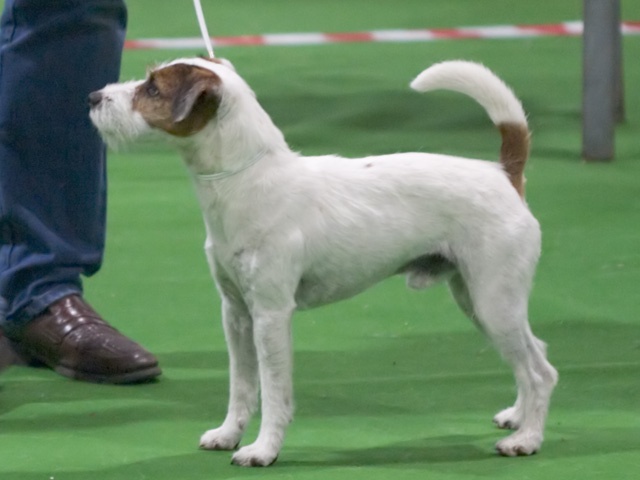
An athletic, predominantly white terrier with longer legs than the Russell Terrier. Flat skull, dark almond eyes. Smooth or broken coat. Compact, balanced, and built for speed and stamina.
Temperament
Incredibly energetic, intelligent, and bold. Parson Russells are perpetual motion machines with sharp minds. They are fearless, independent, and endlessly entertaining.
Personality Around Others
Friendly with family. Can be intense with other dogs. High prey drive. Love activity. Not for sedentary owners.
Exercise Needs
Very high exercise needs. At least 1-2 hours vigorous daily activity. Excels at agility, flyball, and earth dog trials. Will be destructive without enough exercise.
Training
Very intelligent but independent. Needs creative, varied training. Can outsmart inexperienced trainers. Consistent boundaries essential.
Grooming
Easy grooming. Smooth coat needs weekly brushing. Broken coat needs occasional hand-stripping. Low maintenance.
Health
Common Health Conditions
Generally healthy breed. Joint and eye issues are the main concerns. Active lifestyle keeps them fit.
Recommended Health Tests
- Patellar Evaluation
- BAER Test
- Ophthalmologist Evaluation
Average Annual Vet Cost
$600-$1,200
Nutrition
Quality food for very active dogs. Adjust portions to activity level. High energy means higher caloric needs.
Living Environment
Need active homes. Not suited for apartments without extensive exercise. Securely fenced yards essential. Indoor/outdoor dogs.
Ideal Family
Very active owners. Experienced dog owners. Those who enjoy dog sports. Not for couch potatoes or first-time owners.
Intelligence
Exceptionally intelligent. Among the smartest terrier breeds. Quick problem-solvers. Can be too clever for their own good.
Barking
Frequency
Alert
Separation
Quiet Indoors
Can be very vocal. Bark when excited, bored, or alerting. High energy drives vocalization.
Shedding
Year-Round
Seasonal
Vacuum Factor 🧹
Hypoallergenic
Moderate shedding. Short coat is easy to maintain but sheds year-round.
Weather Tolerance
☀️
Heat
❄️
Cold
🌧️
Rain
🌨️
Snow
💧
Humidity
Breed Ratings
Fun Facts
Developed by a fox-hunting parson in Devon, England
One of the most energetic dog breeds in the world
Can jump five times their height
Excel at agility, flyball, and virtually every dog sport
Their intelligence can get them into trouble if not channeled
Famous Dogs
Trump
Reverend John Russell's first terrier—the foundation of both the Parson and Jack Russell breeds
Nipper
The dog in the famous HMV logo was likely a Parson-type terrier mix
Common Myths
"Jack Russells and Parsons are the same"
Parson Russell Terriers have longer legs and are AKC recognized; the term Jack Russell often refers to a variety of types
"They'll calm down with age"
While they may slow slightly, Parsons remain high-energy throughout their lives
Frequently Asked Questions
What's the difference from Jack Russell Terriers?
Parsons have longer legs (14 inches at shoulder) and are AKC-recognized. Jack Russell is a broader term for various leg lengths.
How much exercise do they need?
A LOT—at least 1-2 hours of vigorous activity daily. They thrive with active owners who enjoy outdoor activities.
Puppy Guide
Parson puppies have boundless energy. Puppy-proof extensively. Start training immediately. Exercise is essential.
Senior Care
Senior Parsons slow down but remain active. Moderate exercise. Watch for joint issues. Their spirit stays strong.
Ownership Costs
Estimated Lifetime Cost
$13,000-$20,000
Pros and Cons
Pros
Incredibly athletic
Highly intelligent
Low grooming needs
Fun and entertaining
Great for dog sports
Cons
Extremely high energy
Can be destructive
Not for beginners
Very vocal
High prey drive