
Harrier
Energy Level
Apartment Friendly
Weight (Male)
45-60 lbs
Height (Male)
19-21 inches
Quick Facts
Coat Colors
Breed Summary
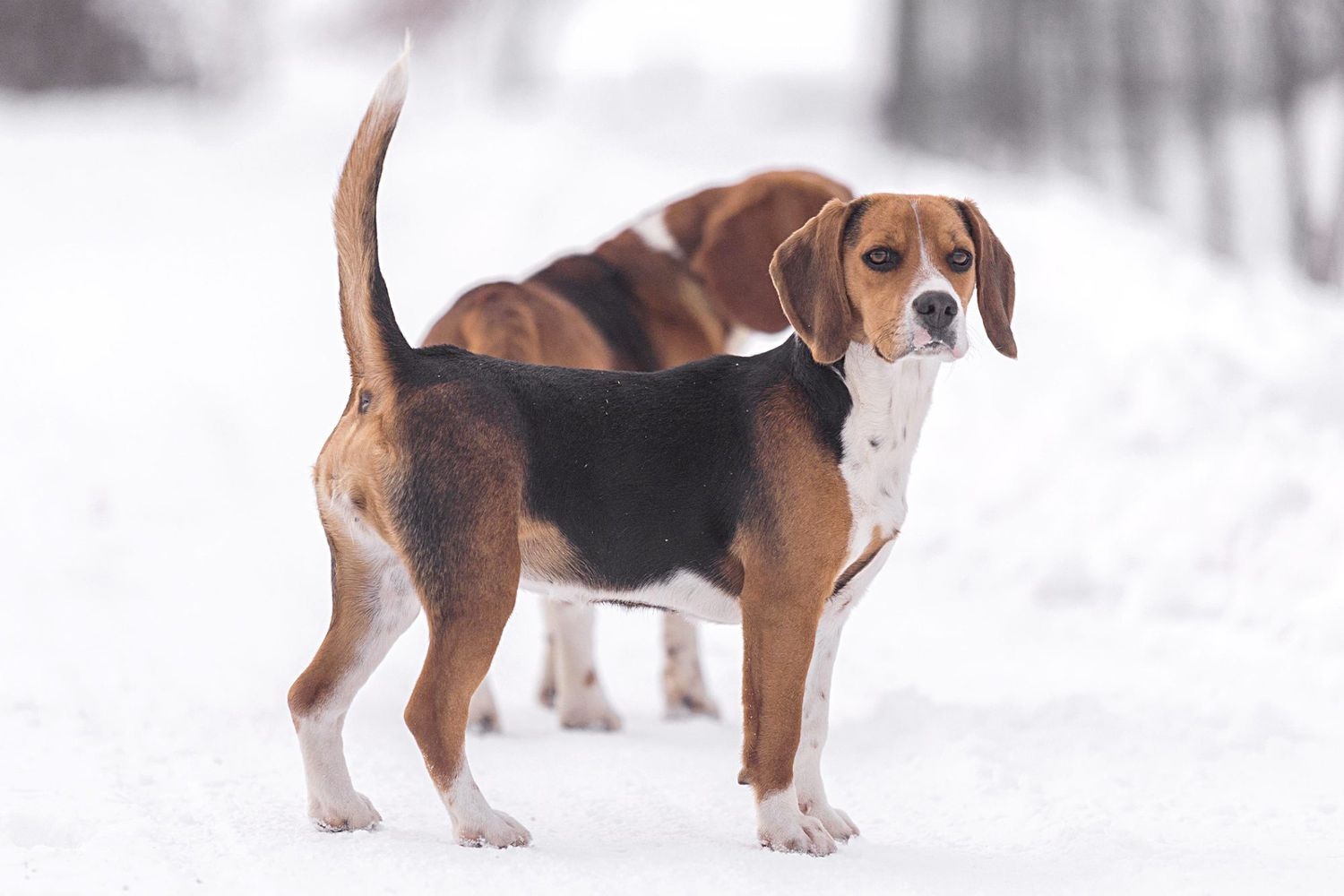
The Harrier is a sturdy, cheerful pack hound bred for hunting hares. Falling between the Beagle and English Foxhound in size, they are friendly, outgoing, and full of energy—making them excellent active family companions.
History
The Harrier has been used in England for hare hunting since the 13th century, making them one of the oldest scent hound breeds. Their exact origins are debated, but they likely descend from early English hounds. AKC recognized in 1885.
Appearance
A medium-sized, solidly built hound that looks like a large Beagle or small Foxhound. Short, dense coat, long pendant ears, and an alert, happy expression. Athletic and muscular without being heavy.
Temperament
Outgoing, friendly, and energetic, the Harrier is a happy, sociable hound. They are pack animals that love company and are playful well into adulthood. Their cheerful demeanor is infectious.
Personality Around Others
Extremely friendly with everyone—people, dogs, and even strangers. They thrive in social settings and are excellent with children. Pack-oriented and may be lonely as the only pet.
Exercise Needs
Very high exercise needs. At least 1-2 hours of vigorous activity daily. Excellent for running, hiking, and field activities. They have great endurance and love extended outdoor adventures.
Training
Moderately trainable with positive reinforcement. They can be distracted by scents. Consistent training from an early age yields the best results. They enjoy group activities and dog sports.
Grooming
Low-maintenance coat needing only weekly brushing. Regular ear cleaning is important. Occasional baths. Simple, easy-care grooming routine.
Health
Common Health Conditions
A generally healthy, hardy breed with few genetic health problems. Regular ear care is important due to their pendant ears. Hip screening is recommended.
Recommended Health Tests
- Hip Evaluation
- Ophthalmologist Evaluation
Average Annual Vet Cost
$600-$1,200
Nutrition
Active dogs needing quality food matched to their energy output. Two measured meals daily. They can be food-motivated, which helps with training but requires portion control.
Living Environment
Best with a house and large yard. Need significant exercise space. Can adapt to suburban living with adequate daily exercise. Not ideal for apartments due to energy level and potential vocalization.
Ideal Family
Perfect for active families with children. Great for multi-dog households. Ideal for runners and hikers. Not suited for sedentary lifestyles or those who are away for long periods.
Intelligence
Practical intelligence suited for their hunting purpose. Good problem-solvers. They learn at a moderate pace and respond well to varied, interesting training sessions.
Barking
Frequency
Alert
Separation
Quiet Indoors
Moderate vocalization with typical hound baying. They may bark when excited or on a scent. Generally quieter than some other hound breeds.
Shedding
Year-Round
Seasonal
Vacuum Factor 🧹
Hypoallergenic
Moderate shedding year-round. Weekly brushing manages loose hair effectively.
Weather Tolerance
☀️
Heat
❄️
Cold
🌧️
Rain
🌨️
Snow
💧
Humidity
Breed Ratings
Fun Facts
Harriers are one of the rarest AKC breeds in the United States
The first Harrier pack in England was established in 1260
They are essentially a larger version of the Beagle
Harrier packs in England have been documented for over 800 years
Famous Dogs
Penistone Pack
One of the oldest continuously running Harrier packs in England, dating to 1260
Common Myths
"They are just large Beagles"
While similar in appearance, Harriers are a distinct breed with their own history and characteristics
"They are too energetic to be pets"
With adequate exercise, they are wonderful, affectionate family dogs
Frequently Asked Questions
What is the difference between a Harrier and a Beagle?
Harriers are larger (19-21 inches vs 13-15 inches), have more stamina, and were bred for hare hunting rather than rabbit hunting.
Are Harriers good family dogs?
Excellent family dogs—friendly, playful, and great with children. They need active families who can meet their exercise needs.
Puppy Guide
Energetic puppies that need early socialization and training. Provide plenty of play opportunities. Start leash training early. They benefit from puppy classes.
Senior Care
Senior Harriers may slow down but still enjoy daily exercise. Monitor for joint issues. Their generally robust health means many live comfortably into their teens.
Ownership Costs
Estimated Lifetime Cost
$14,000-$20,000
Pros and Cons
Pros
Friendly and sociable with everyone
Excellent with children
Low grooming needs
Hardy and healthy
Cons
Very high exercise needs
Can be vocal
Rare breed, hard to find
Not ideal for apartment living